
Greenhouse Frog
Eleutherodactylus planirostris
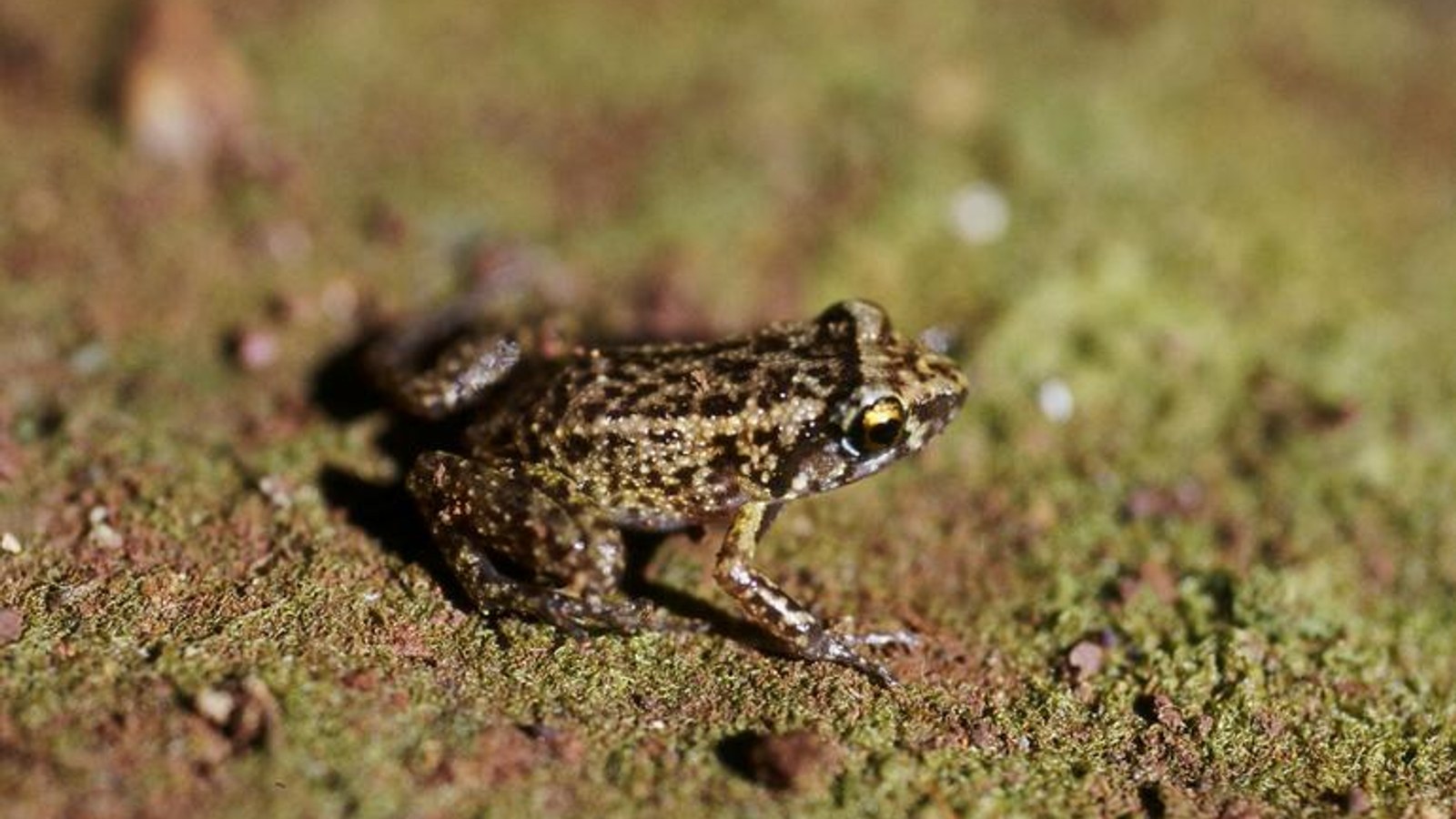
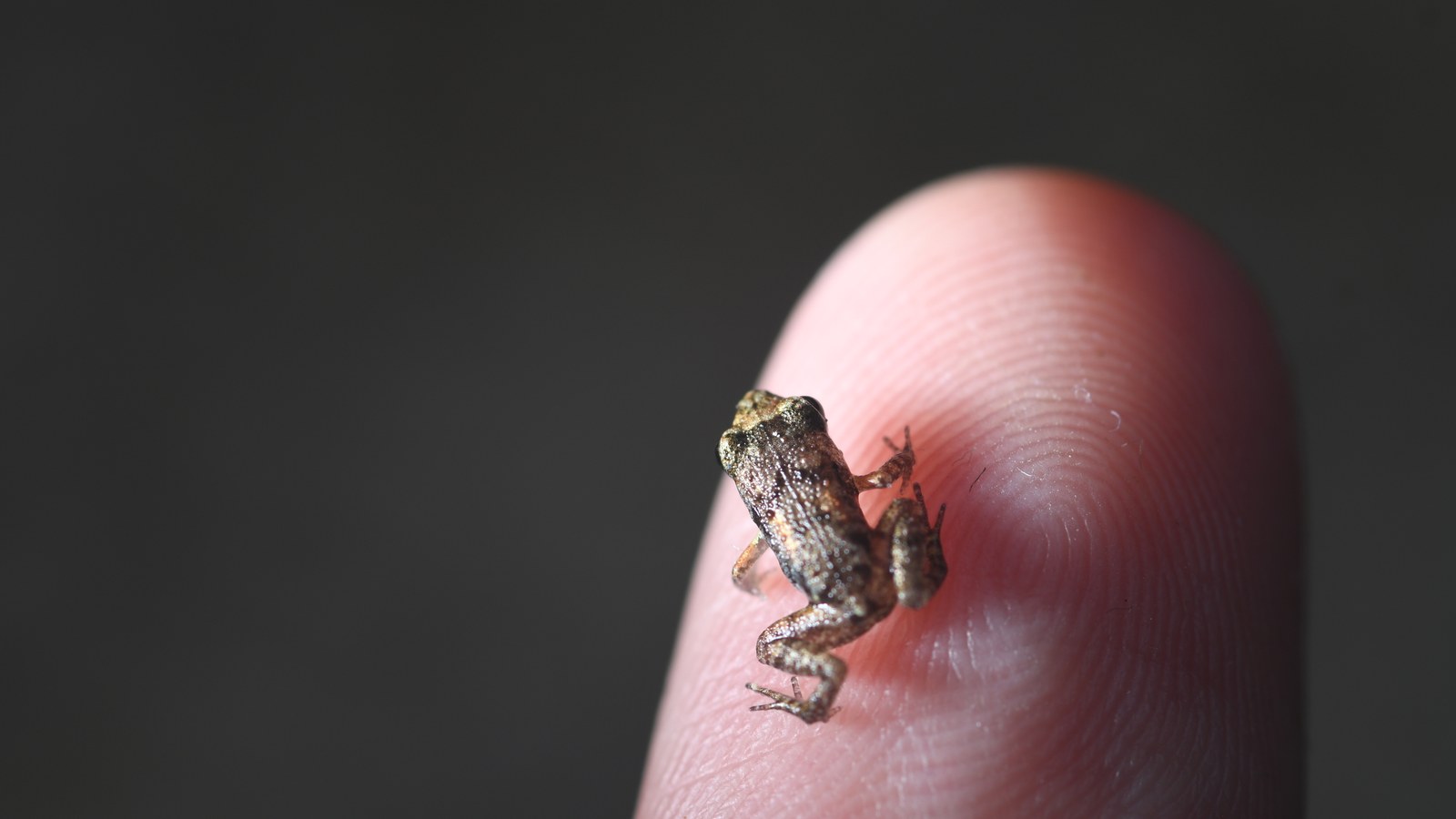
The greenhouse frog is a tiny non-native frog found beneath pots, mulch, boards, and leaf litter throughout much of Florida.
Greenhouse frogs arrived in Florida through the plant trade and now thrive in humid yards, nurseries, gardens, and wooded areas. They hide in moist ground cover during the day and call after dark.
Unlike most frogs, they skip the free-swimming tadpole stage. Eggs laid in damp soil or debris hatch directly into tiny froglets, allowing the species to reproduce away from standing water.
Habitat:
Urban and Residential Areas, Forests and Woodlands, Grasslands and Agricultural Areas
Area / Range:
Statewide
Diet:
They eat ants, mites, springtails, termites, tiny beetles, spiders, and other small invertebrates found in soil and leaf litter.
Behavior:
Greenhouse frogs stay concealed by day and become active on warm, humid nights. Males give a soft series of chirps from mulch, pots, and ground cover.
Night
Active Times:
Best time to see:
Warm, humid evenings after rain beneath pots, mulch, boards, and dense ground cover.
Florida Native Status:
Non-Native
Conservation Status:
Established non-native species in Florida. It is widespread and not considered threatened.
Safety Level:
Harmless
Safety Information:
Avoid handling frogs with dry hands or chemicals on the skin. Wash hands after contact and inspect potted plants before moving them to new properties.
Benefits to Property:
They eat ants, mites, termites, and other tiny invertebrates in garden beds and container areas.
Property Concerns:
They spread through nursery plants and landscaping materials. Night calls can be noticeable near patios, greenhouses, and densely planted courtyards.
Fun Fact:
Greenhouse frog eggs develop directly into miniature frogs. No pond or tadpole stage is required.
Wildlife Laws:
Greenhouse frogs are non-native. Florida law prohibits releasing non-native animals into the wild. Do not transport or intentionally establish them in new locations.
Identification:
Greenhouse frogs are small and variable, ranging from brown to reddish or gray. Many have dark chevrons or stripes, a pointed snout, slender toes, and a broken or mottled pattern on the back.
Credits:
Facts: UF/IFAS Featured Creatures. Images: primary and secondary, Wikimedia Commons.