
Gulf Coast Box Turtle
Terrapene carolina major
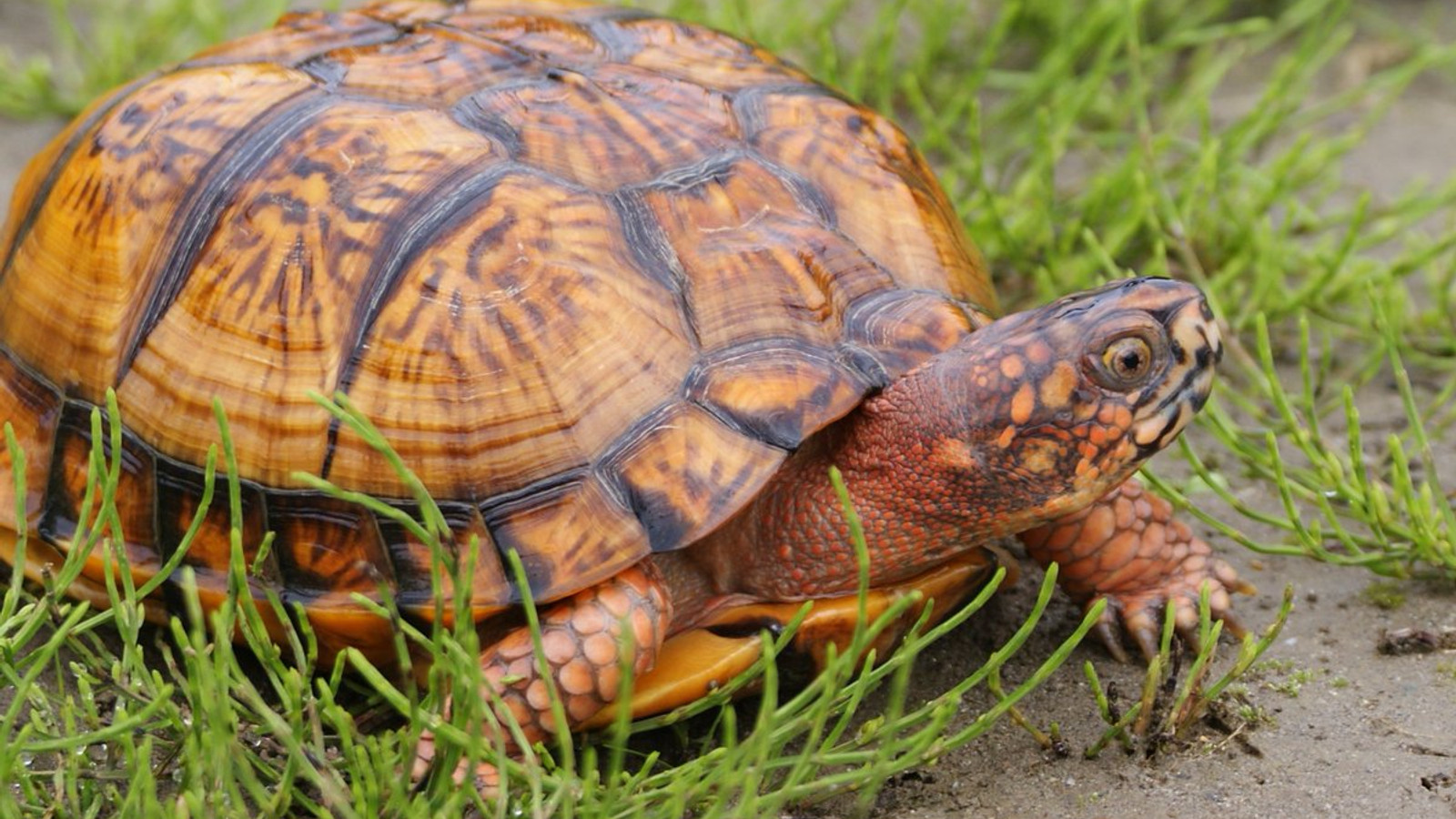
Florida's largest box turtle subspecies, recognized by a high domed shell and strong hind legs.
Gulf Coast Box Turtles occupy moist forests, swamps, marsh edges, and shaded yards across northwestern Florida. Their hinged plastron closes tightly and protects the head and legs.
Adults use small home ranges and often return to familiar shelter and nesting areas. Roads, drainage changes, collection, and mower strikes create serious local risks.
Habitat:
Freshwater Wetlands, Forests and Woodlands, Urban and Residential Areas
Area / Range:
Florida Panhandle, North Florida, Gulf Coast
Diet:
Omnivorous. Eats earthworms, insects, slugs, carrion, mushrooms, berries, fruits, and tender vegetation.
Behavior:
Walks on land, shelters under vegetation or logs, and becomes most active after warm rain. It may soak in shallow water but is not a strong swimmer.
Dawn and Dusk, Daytime
Active Times:
Best time to see:
Warm mornings after rain from spring through fall near moist woods, swales, and marsh margins.
Florida Native Status:
Native; regional subspecies
Conservation Status:
Not federally listed; vulnerable to road mortality, collection, and wetland habitat loss.
Safety Level:
Low
Safety Information:
Do not relocate a healthy turtle away from its home area. If it is crossing a road and conditions are safe, move it only to the side it was heading toward.
Benefits to Property:
Consumes slugs, insects, carrion, and fallen fruit while dispersing seeds.
Property Concerns:
None. Mowers, vehicles, dogs, deep pools, and landscape netting pose risks to the turtle.
Fun Fact:
- A shell hinge allows tight closure.
- Adults may live for many decades.
- They remember familiar seasonal routes.
Wildlife Laws:
Personal take, possession, transport, and sale of native turtles are regulated by FWC. Collection from parks, preserves, and protected lands is prohibited without authorization.
Identification:
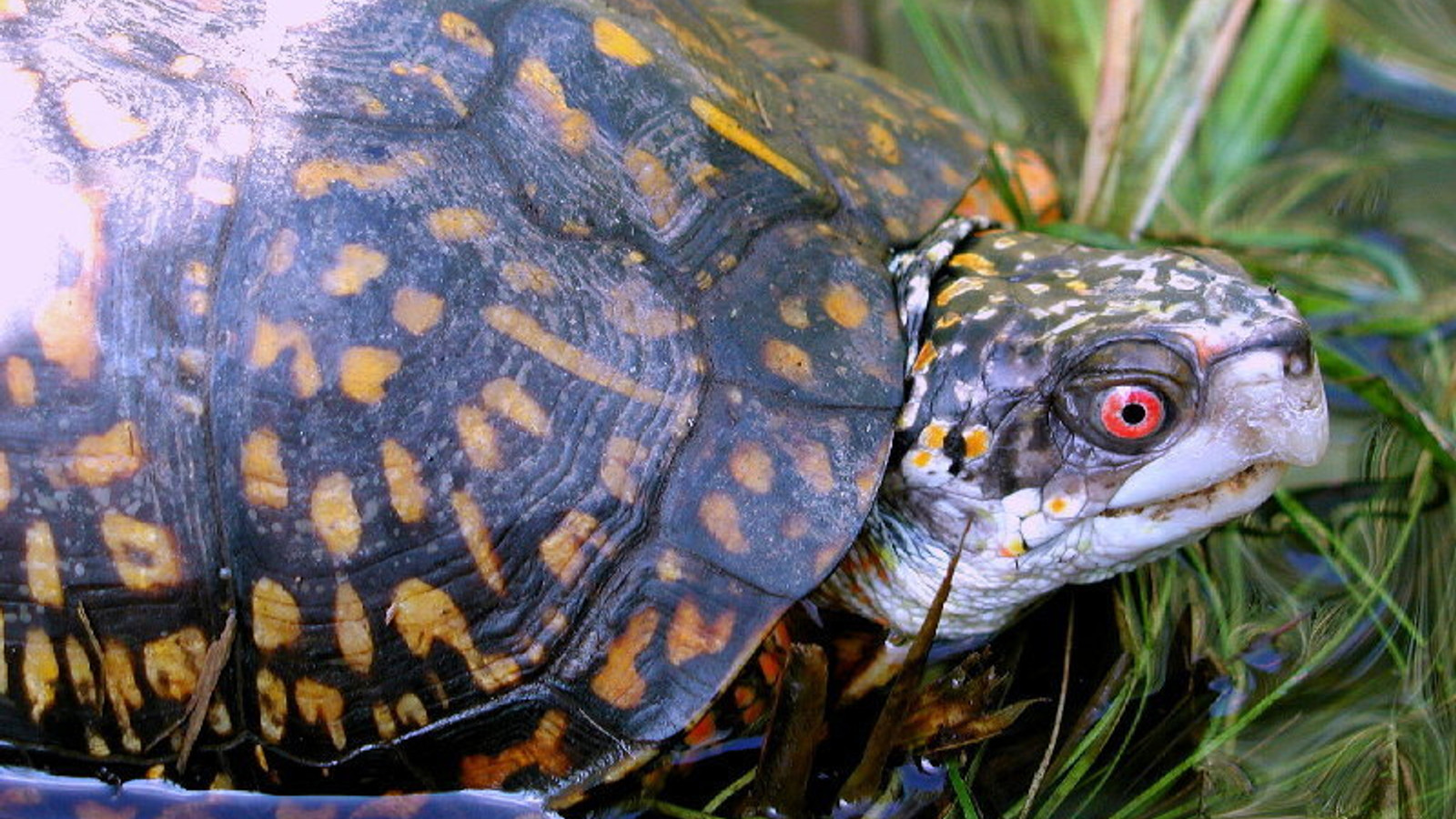
Large terrestrial turtle with a high domed dark shell marked by yellow or orange blotches. The rear shell edge often flares outward, and the hind feet commonly have four toes.