
Gulf Flounder
Paralichthys albigutta
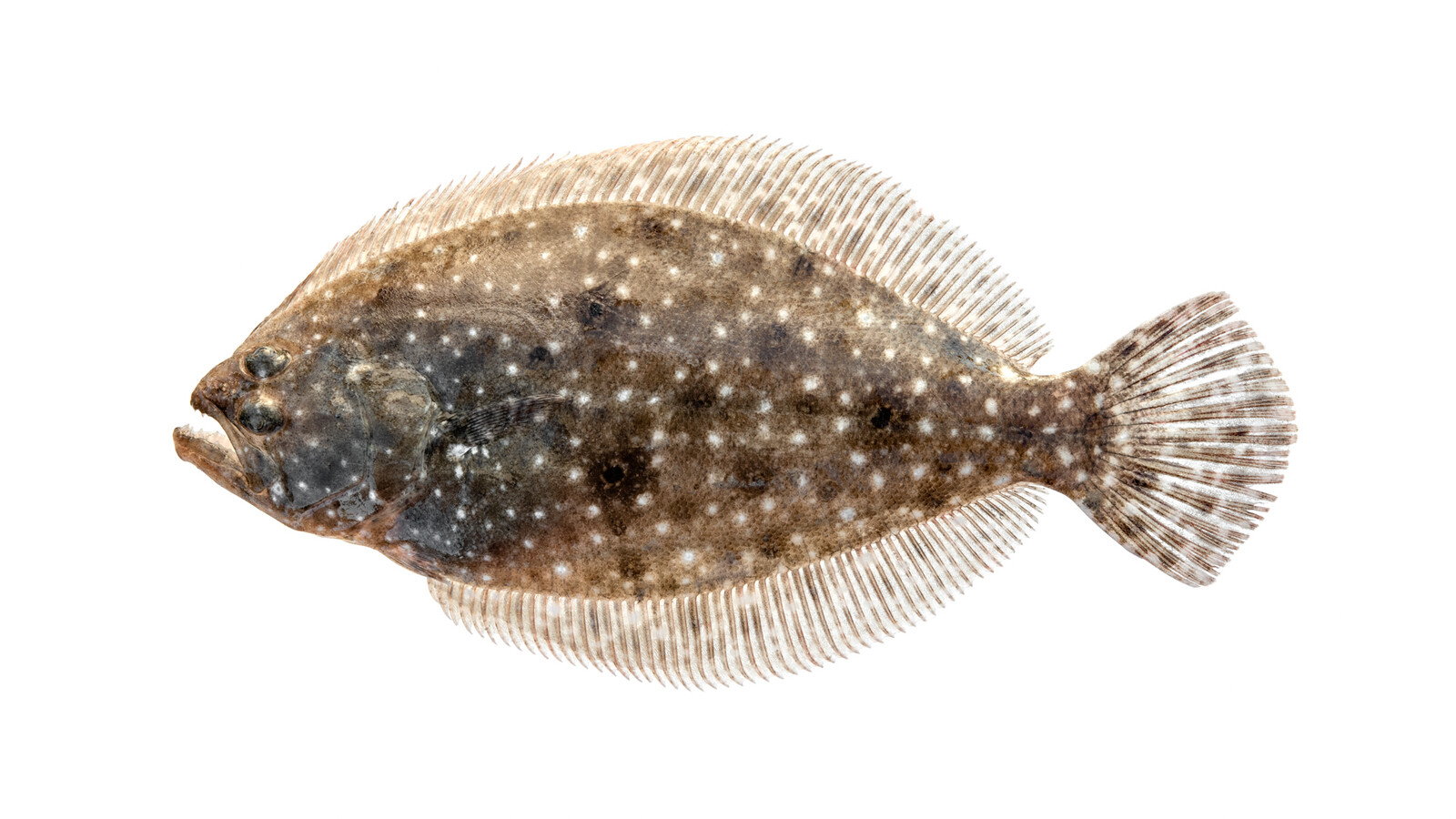
Gulf Flounder are flat coastal predators that vanish against sand and seagrass while waiting to ambush fish and shrimp.
Gulf Flounder use bays, inlets, tidal creeks, seagrass edges, and nearshore sand bottoms.
Both eyes migrate to the left side as the young fish develops, and the upper side changes shade to match the bottom.
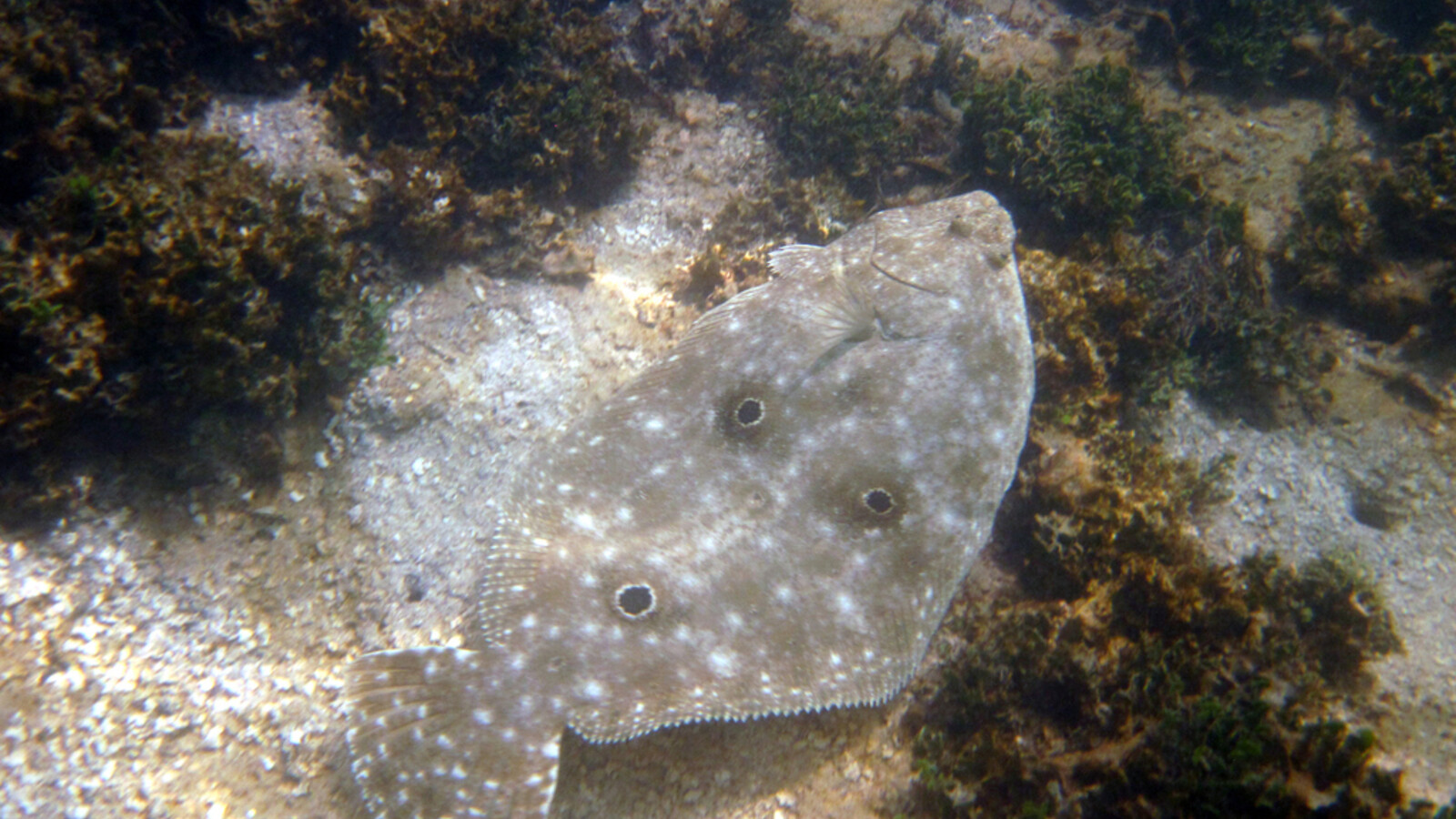
Habitat:
Estuaries and Bays, Coastal Waters
Area / Range:
Atlantic Coast, Gulf Coast
Diet:
Small fish, shrimp, crabs, and other bottom-dwelling prey.
Behavior:
They bury partly in sand and strike upward with a fast burst.
Day, Night, Dawn, Dusk
Active Times:
Best time to see:
Clear shallow water over sand near seagrass edges, passes, docks, and estuary channels.
Florida Native Status:
Native
Conservation Status:
Managed fishery influenced by harvest and estuary quality.
Safety Level:
Low Risk
Safety Information:
Handle carefully around teeth, fin rays, hooks, and gill plates. Release undersized fish quickly.
Benefits to Property:
Gulf Flounder support coastal food webs, fishing, tourism, and healthy estuary function.
Property Concerns:
No direct property concerns. Runoff and seagrass damage reduce nursery habitat.
Fun Fact:
Young flounder begin life upright before one eye shifts and the fish settles on its left side.
Wildlife Laws:
Florida saltwater licenses, size limits, bag limits, seasons, and gear rules apply. Check current FWC regulations before harvest.
Identification:
A flat oval fish with both eyes on the left side and three prominent dark spots forming a triangle.
Credits:
Facts: FWC. Images: identification and habitat.