
Gulf Salt Marsh Snake
Nerodia clarkii
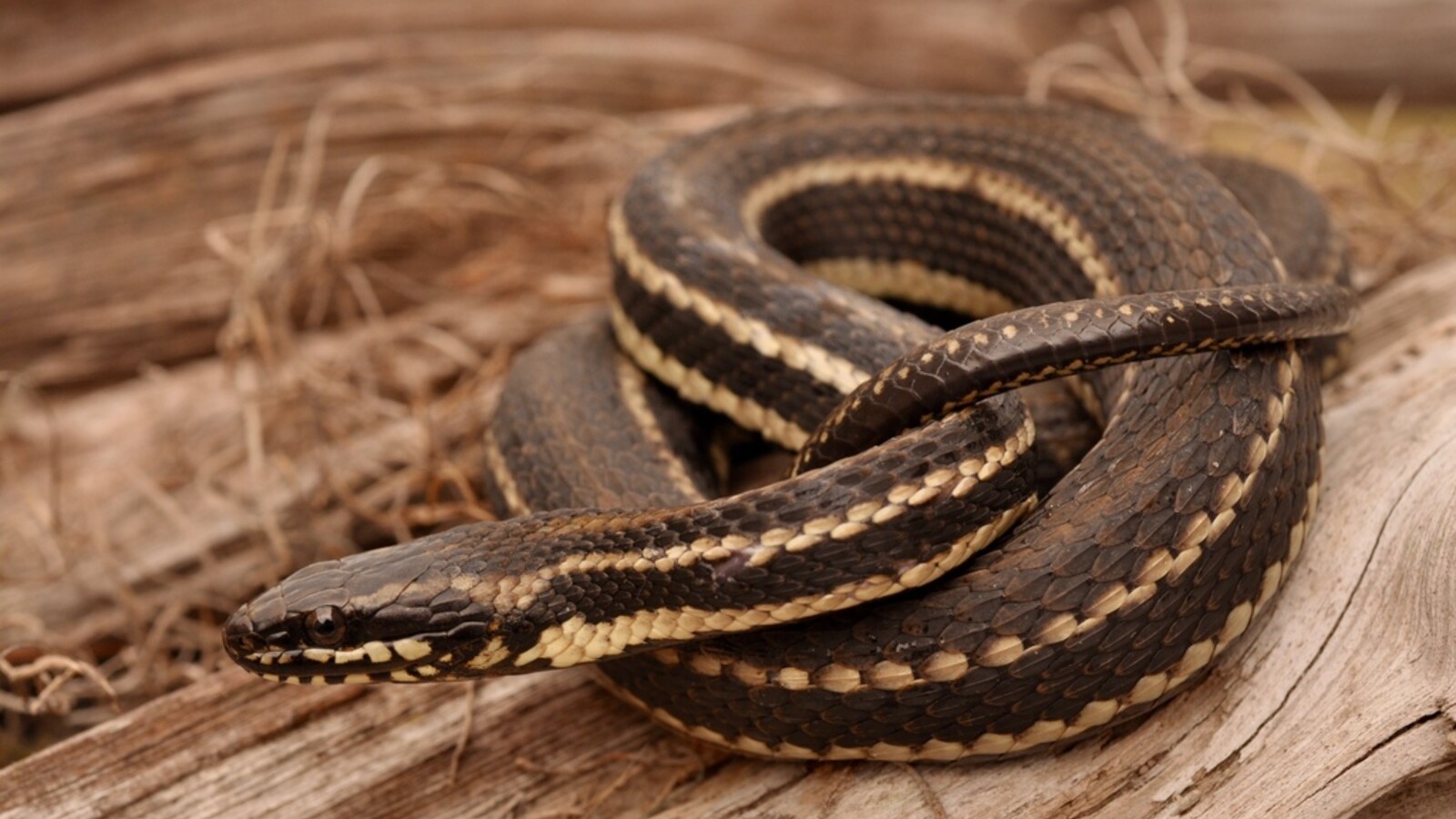
The Gulf Salt Marsh Snake is a nonvenomous water snake adapted to brackish marshes along Florida’s Gulf Coast.
These snakes remain near tidal creeks, salt-marsh pools, mangrove edges, and brackish estuaries.
They hide beneath wrack and logs by day, then hunt fish and crustaceans around favorable tides.
Habitat:
Mangroves and Salt Marshes, Estuaries and Bays, Coastal Waters
Area / Range:
Gulf Coast
Diet:
Small fish, shrimp, crabs, and other animals trapped in shallow tidal water.
Behavior:
They swim well, shelter in marsh debris, and forage mainly at night.
Night, Dusk
Active Times:
Best time to see:
Warm evenings near tidal pools, marsh wrack, oyster edges, and mangrove shorelines.
Florida Native Status:
Native
Conservation Status:
Locally secure where intact coastal marsh remains, but vulnerable to shoreline loss and altered tides.
Safety Level:
Low Risk
Safety Information:
Nonvenomous. Give the snake room to escape and never pick it up.
Benefits to Property:
They balance small fish and crustacean populations and signal functioning coastal wetlands.
Property Concerns:
They sometimes shelter beneath shoreline materials but do not damage landscaping or buildings.
Fun Fact:
Specialized salt glands near the eyes help this snake live in tidal marshes.
Wildlife Laws:
Do not kill or relocate wildlife from protected land. Shoreline work in marsh or mangrove habitat often requires permits.
Identification:
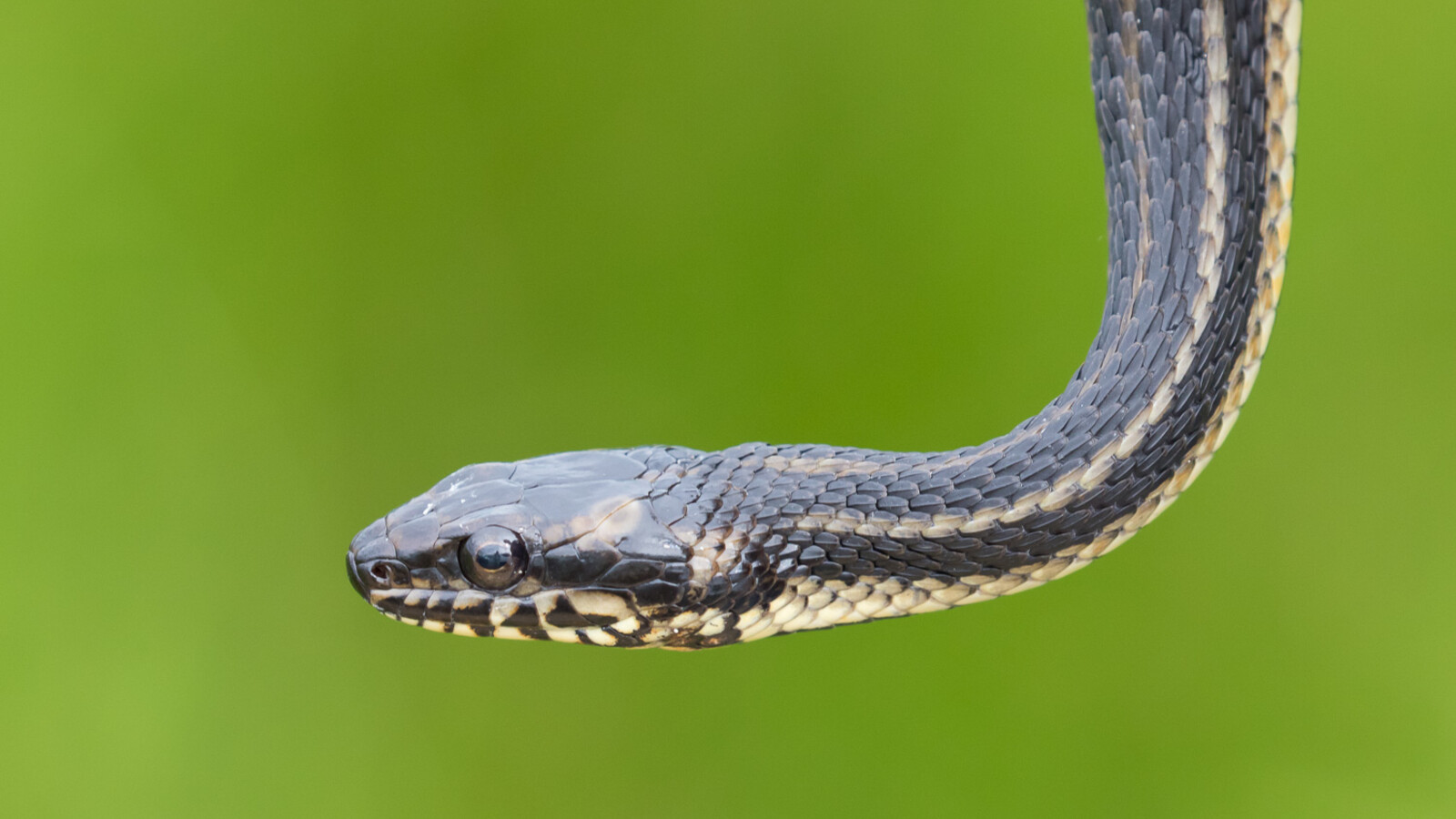
Color ranges from gray and brown to reddish orange. Many show four dark lengthwise stripes and a moderately stout body with keeled scales.
Credits:
Facts: Florida Museum. Images: habitat and portrait.