
Harris Mud Crab
Rhithropanopeus harrisii
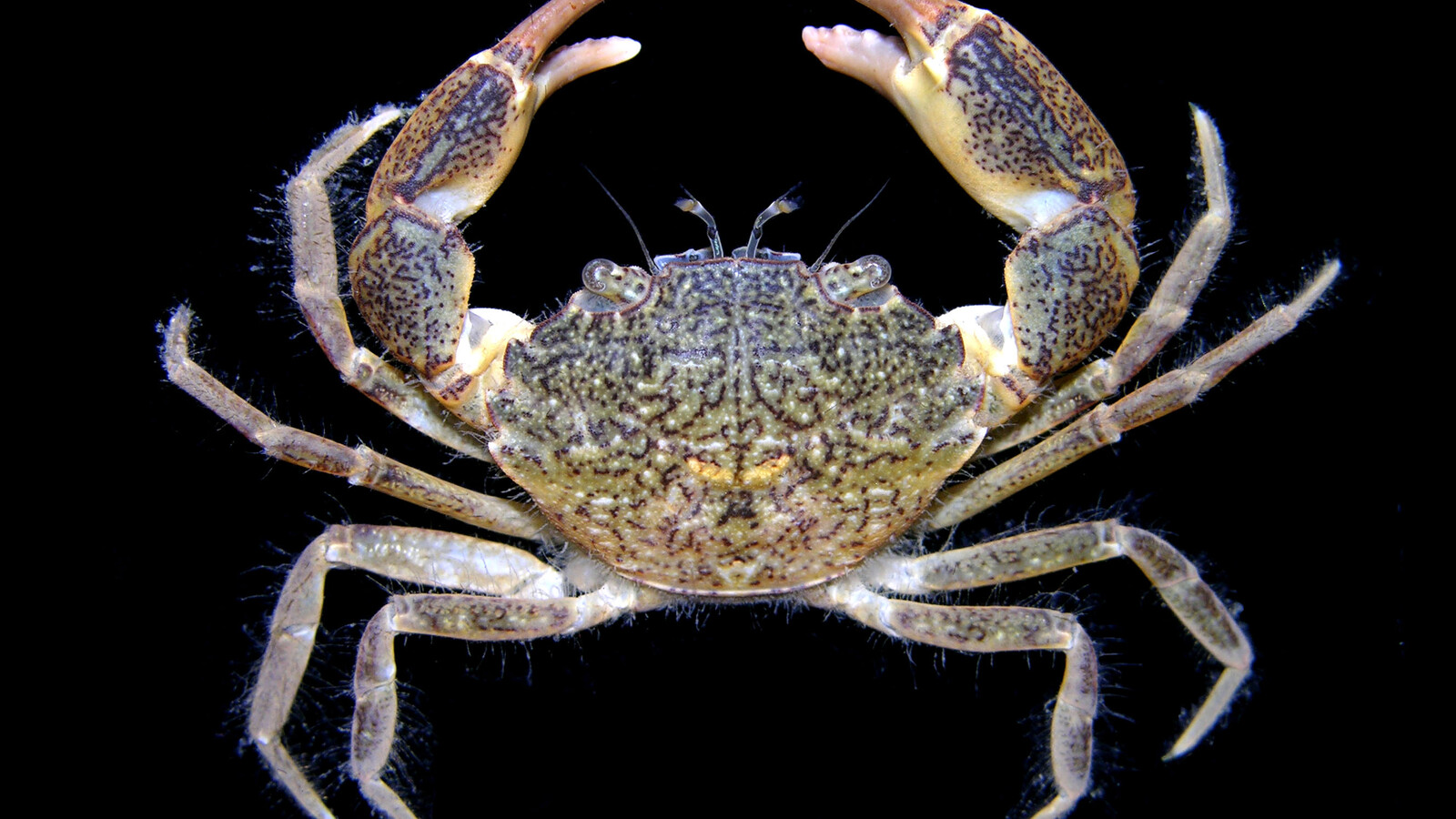
The Harris Mud Crab is a small estuarine crab that shelters among oysters, rocks, roots, and debris in brackish Florida water.
Harris Mud Crabs live in bays, tidal creeks, lagoons, and lower river reaches where fresh and salt water mix.
They hide beneath shells, stones, wood, mangrove roots, and oyster structure.
Habitat:
Estuaries and Bays, Mangroves and Salt Marshes
Area / Range:
Atlantic Coast, Gulf Coast
Diet:
Worms, small mollusks, tiny crustaceans, algae, detritus, and carrion.
Behavior:
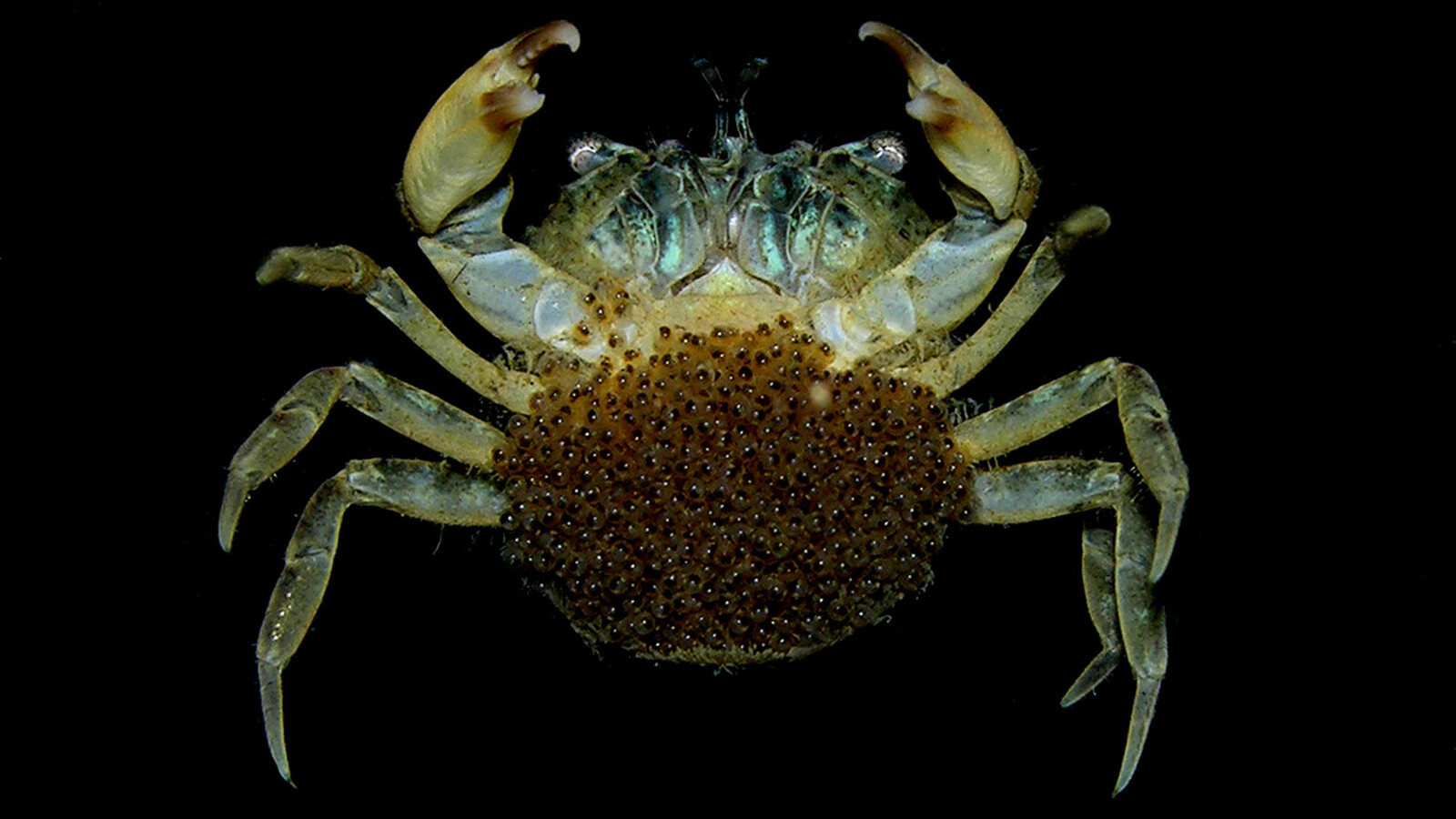
They remain under cover, forage across the bottom, tolerate changing salinity, and carry eggs beneath the female abdomen.
Day, Night
Active Times:
Best time to see:
At low tide beneath shells, oyster debris, rocks, and wood in brackish creeks and bays.
Florida Native Status:
Native
Conservation Status:
Common in western Atlantic estuaries and introduced in many regions outside its native range.
Safety Level:
Low Risk
Safety Information:
Handle gently during legal sampling. Small claws pinch, while sharp oyster shells present the greater injury risk.
Benefits to Property:
They recycle organic matter and feed fish, birds, and larger crustaceans.
Property Concerns:
Moving live crabs, bait, shells, or fouled gear between waters spreads organisms and disease.
Fun Fact:
This crab tolerates very low salinity and sometimes lives far upriver.
Wildlife Laws:
Collection and bait use follow current Florida saltwater rules. Never release live aquatic organisms into another water body.
Identification:
An olive, brown, or greenish crab with a carapace wider than long, four blunt side teeth, pale claw tips, and hairy walking legs.
Credits:
Facts: WoRMS. Images: adult and egg-bearing female.