
House Mouse
Mus musculus
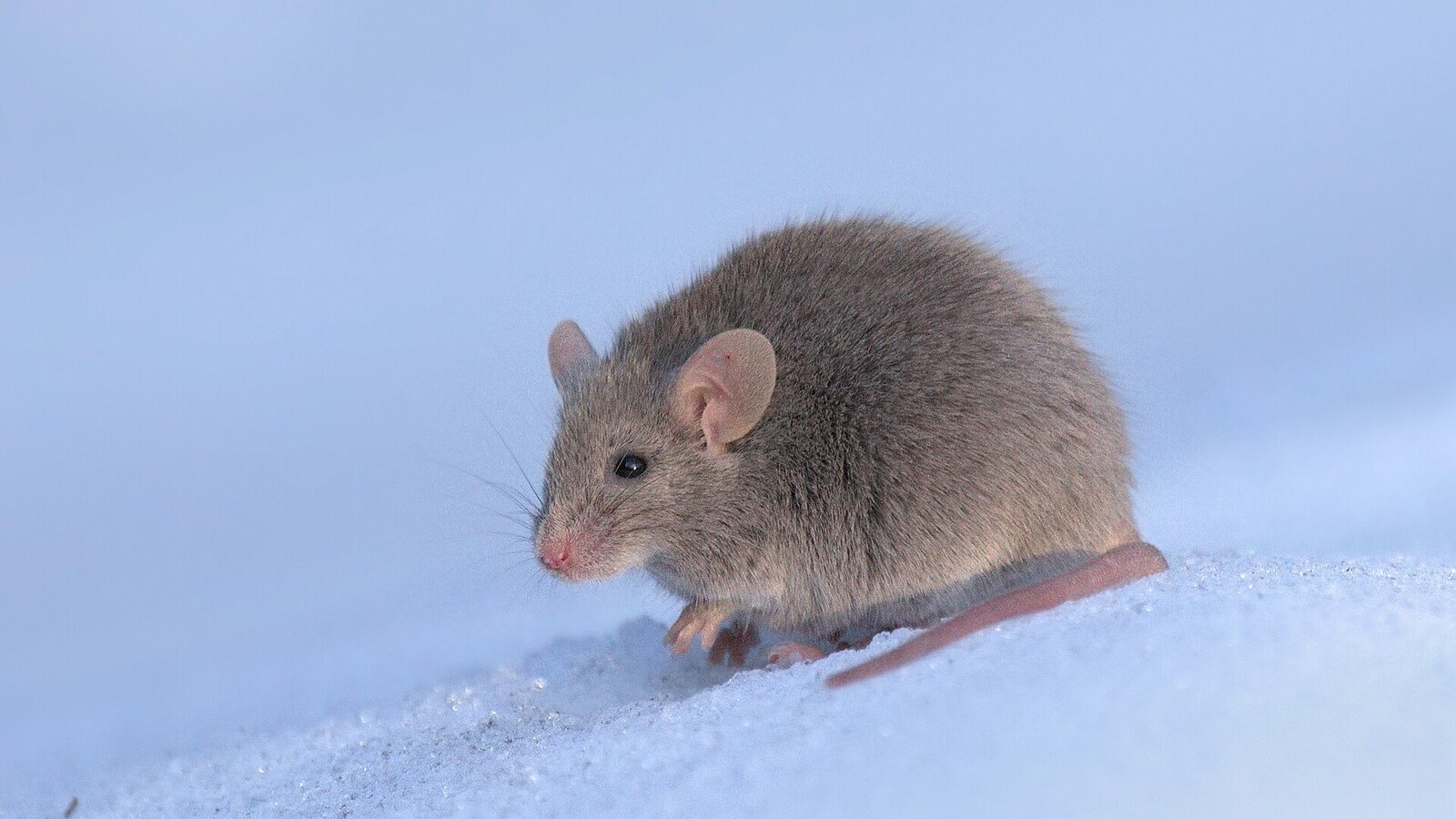
House mice are small introduced rodents that enter Florida buildings through tiny gaps and reproduce rapidly where food and shelter remain available.
House mice live wherever buildings provide food, water, and nesting material. Warm Florida weather also lets them survive outdoors in fields, gardens, sheds, and dense vegetation.
Effective control starts with sealing openings, removing food access, and reducing clutter. Traps address the animals already inside.
Habitat:
Urban and Residential Areas, Grasslands and Agricultural Areas
Area / Range:
Statewide
Diet:
House mice eat grains, seeds, pet food, packaged foods, insects, and almost any available household material.
Behavior:
They are mostly nocturnal, travel along walls, shred paper or fabric for nests, and investigate small food sources repeatedly. Females produce several litters each year.
Night
Active Times:
Best time to see:
After dark near garages, sheds, kitchens, storage rooms, feed areas, and dense ground cover.
Florida Native Status:
Introduced
Conservation Status:
Abundant nonnative species associated closely with people throughout Florida.
Safety Level:
Use Caution
Safety Information:
Seal food, wear gloves, ventilate closed spaces, and wet droppings with disinfectant before cleanup. Never sweep or vacuum dry rodent waste.
Benefits to Property:
They provide prey for owls, snakes, and other predators, but they offer little benefit inside developed property.
Property Concerns:
Mice contaminate food, chew wiring and insulation, leave urine and droppings, and may carry pathogens or parasites.
Fun Fact:
A house mouse fits through an opening near one-quarter inch wide and uses whiskers and scent trails to navigate in darkness.
Wildlife Laws:
House mice are nonnative and are not protected as Florida wildlife. Traps and pesticides must be used lawfully, humanely, and exactly according to label directions.
Identification:
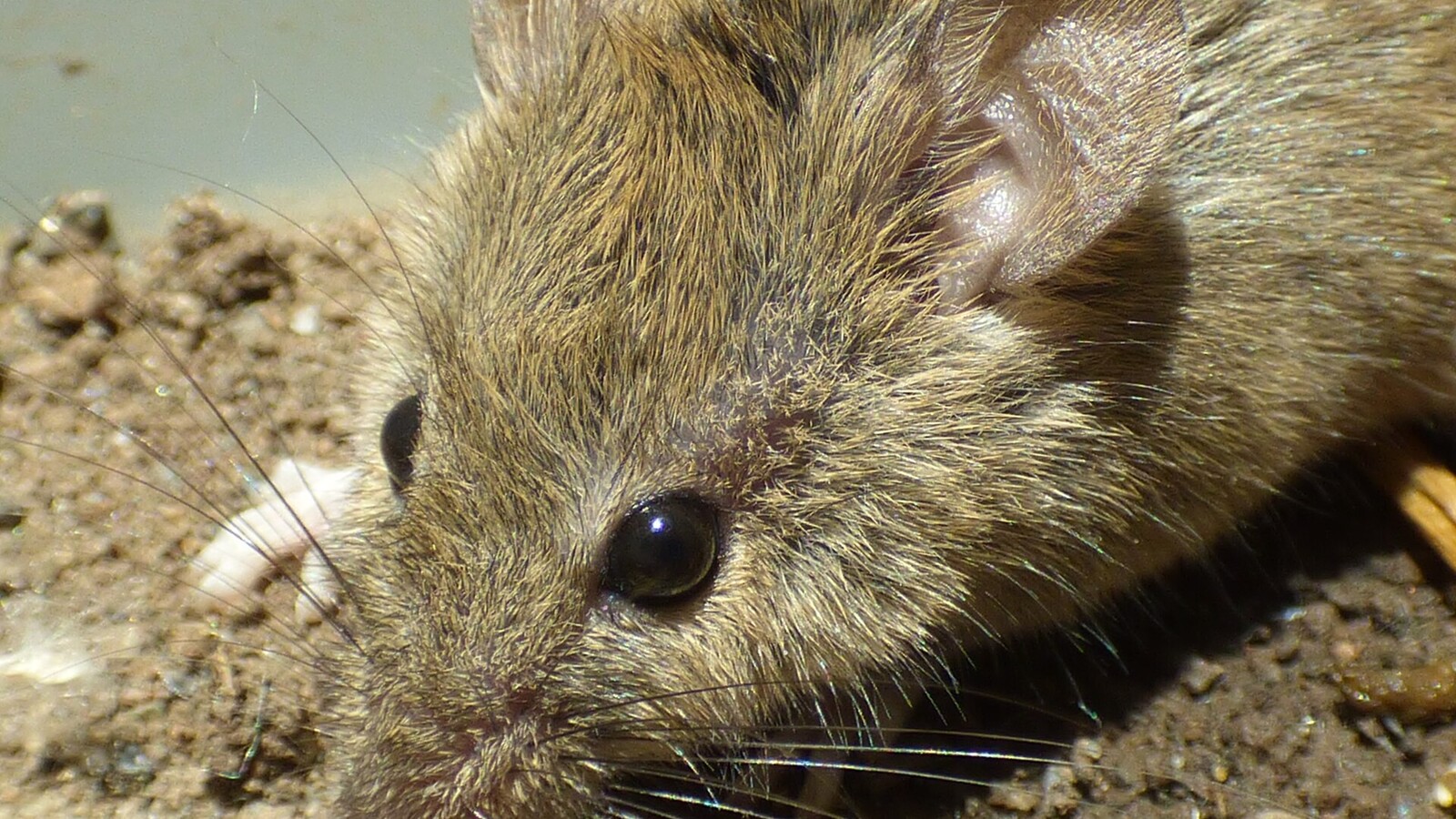
Look for a small gray or brown mouse with a pointed snout, large ears, small black eyes, and a thin, nearly hairless tail. Droppings are dark and rice-shaped.
Credits:
Facts: species reference. Images: primary and secondary, Wikimedia Commons.