
Ladyfish
Elops saurus
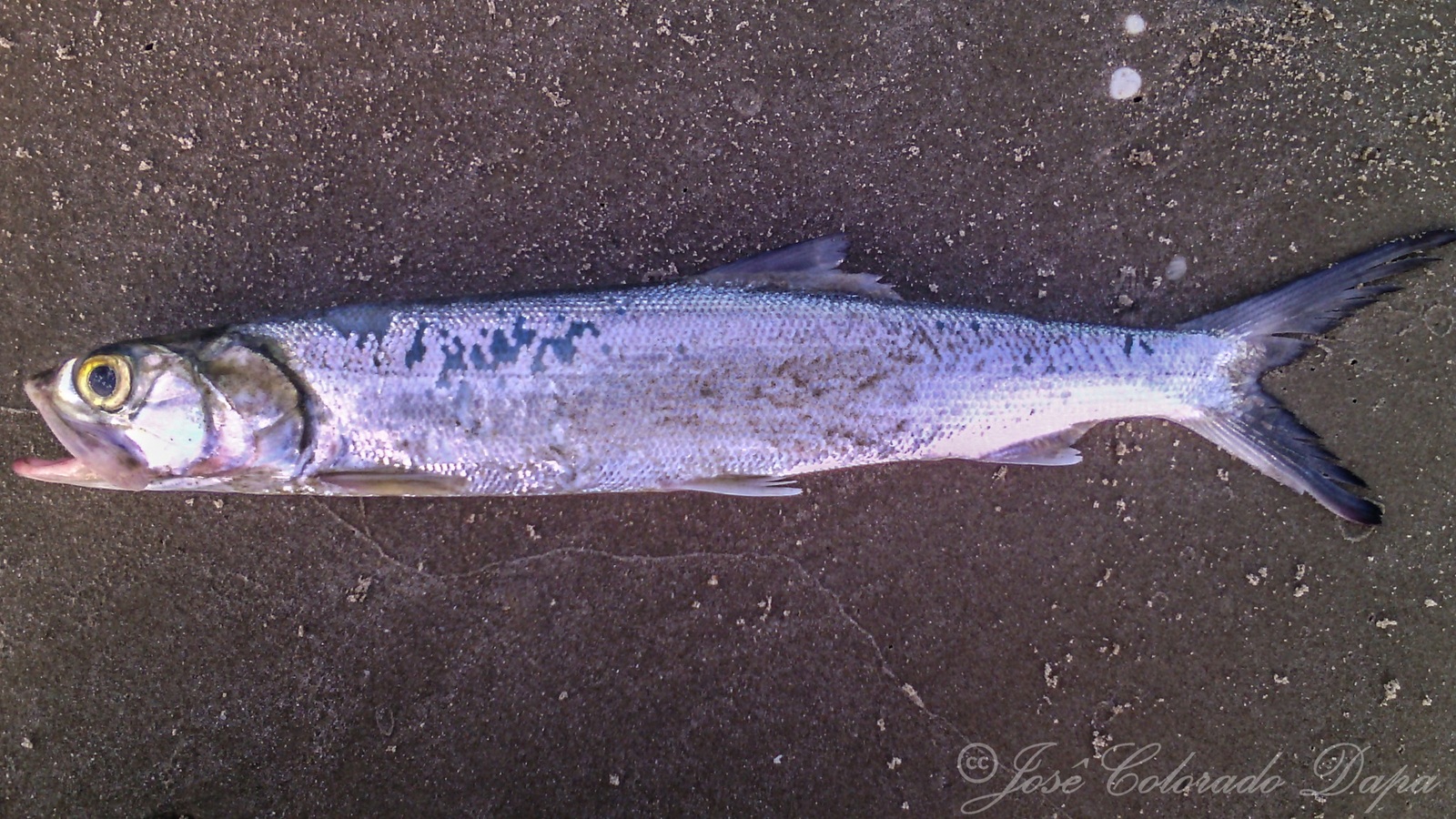
A fast silver coastal fish that leaps when hooked and uses Florida bays, estuaries, surf zones, and tidal creeks.
Ladyfish are common in Florida’s warm coastal waters and estuaries. Juveniles use low-salinity creeks and bays as nursery habitat before moving into larger coastal waters.
They feed in active schools and often strike small baitfish near the surface. Anglers value them for speed and repeated jumps.
Habitat:
Estuaries and Bays, Coastal Waters, Beaches and Dunes
Area / Range:
Florida Keys, Atlantic Coast, Gulf Coast
Diet:
Feeds on small fish, shrimp, crabs, and other coastal prey.
Behavior:
Forms schools, chases bait near the surface, and makes rapid runs and jumps when threatened or hooked.
Daytime, Dawn and Dusk
Active Times:
Best time to see:
Warm months around bait schools, passes, beaches, and shallow bays at dawn or dusk.
Florida Native Status:
Native
Conservation Status:
Not listed; common in suitable Florida coastal habitat.
Safety Level:
Low
Safety Information:
Handle with wet hands, control hooks, and watch for sudden thrashing. Release fish quickly when not retained.
Benefits to Property:
Supports coastal food webs and provides forage for larger fish, dolphins, and birds.
Property Concerns:
No property concern. Water pollution, shoreline loss, and discarded fishing line affect coastal fish habitat.
Fun Fact:
- Ladyfish are known for repeated aerial jumps.
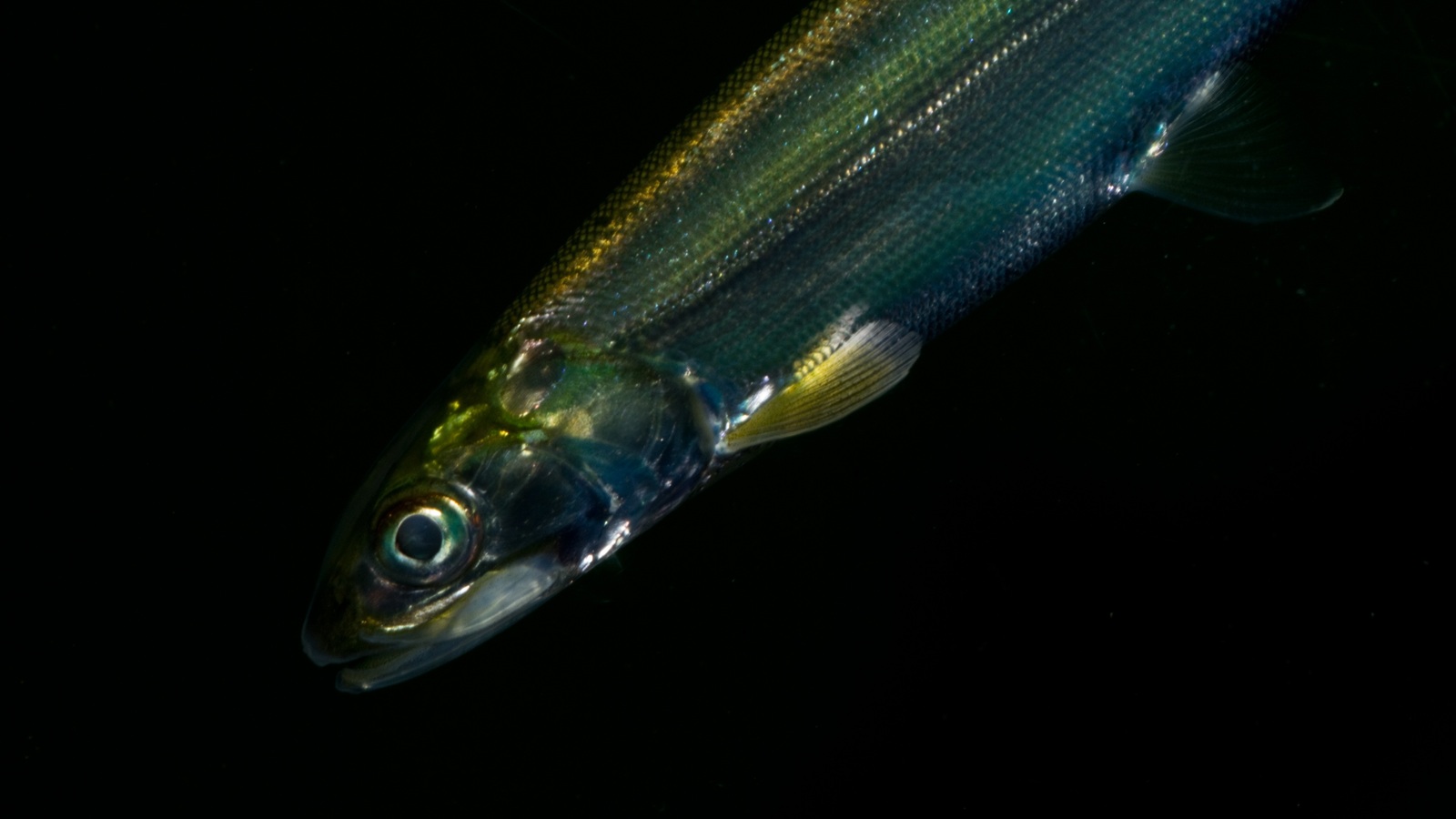
- Their transparent larvae resemble ribbons.
- They are close relatives of tarpon and bonefish.
Wildlife Laws:
Florida saltwater fishing license, gear, and harvest rules apply. Consult current FWC regulations before retaining fish.
Identification:
Long slender silver body with a deeply forked tail, large eye, terminal mouth, and a single small dorsal fin near the middle of the back.