
Loggerhead Sea Turtle
Caretta caretta
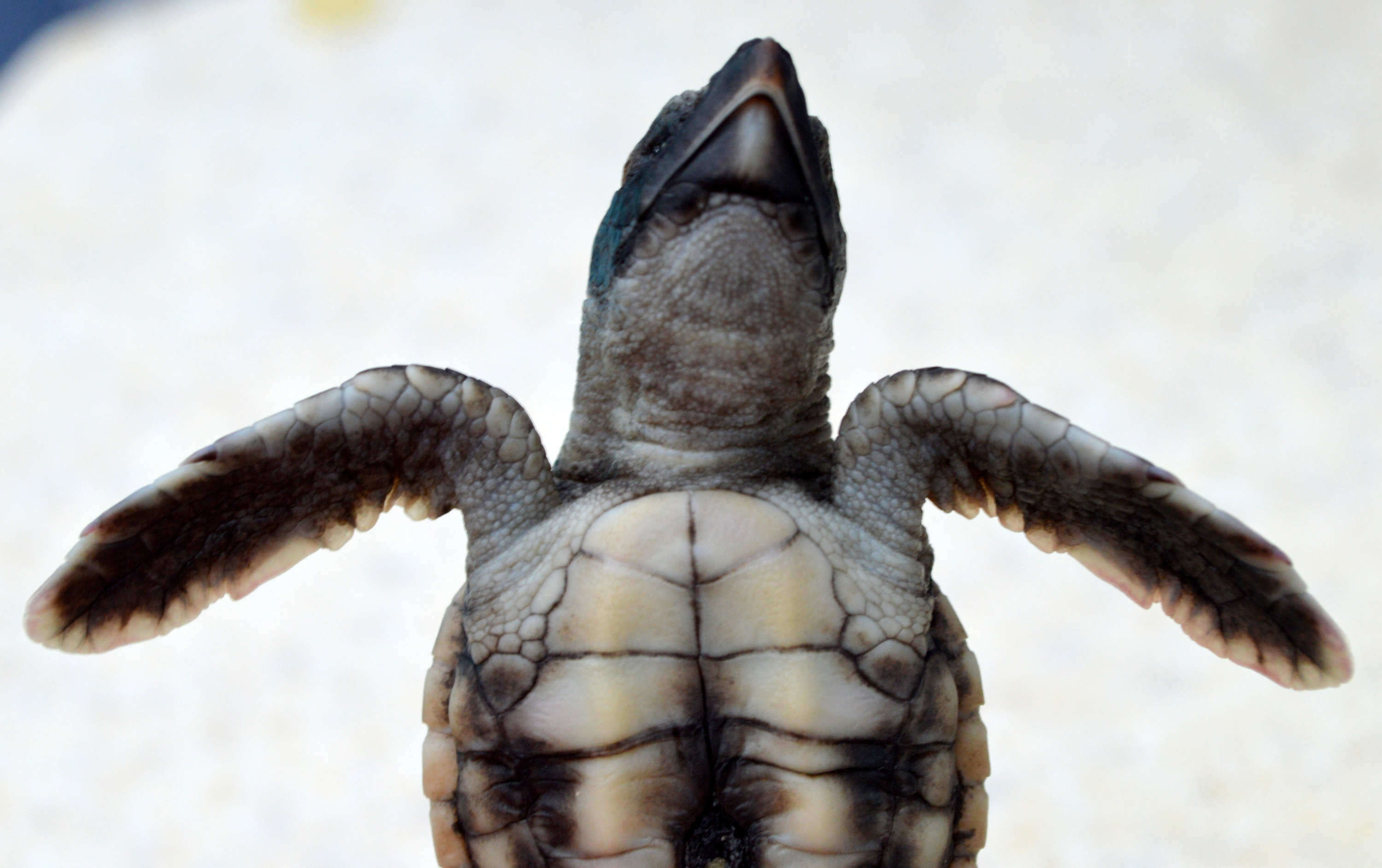
Florida hosts one of the world’s largest loggerhead nesting populations.
Florida hosts one of the world’s largest loggerhead nesting populations. Keep beaches dark, remove obstacles, fill holes, and never touch turtles, hatchlings, nests, or markers. Protected under federal and Florida law. Disturbing turtles, nests, eggs, or hatchlings is prohibited.
Habitat:
Estuaries and Bays, Coastal Waters, Beaches and Dunes
Area / Range:
Atlantic Coast, Gulf Coast
Diet:
Crabs, mollusks, jellyfish, and other marine animals.
Behavior:
Females return to sandy beaches to nest at night and hatchlings move toward the brightest horizon.
Day, Dawn, Dusk
Active Times:
Best time to see:
Observe from a respectful distance in suitable Florida habitat.
Florida Native Status:
Native
Conservation Status:
Federally threatened
Safety Level:
Protected. Do Not Disturb
Safety Information:
Keep beaches dark, remove obstacles, fill holes, and never touch turtles, hatchlings, nests, or markers.
Benefits to Property:
Supports healthy marine food webs and coastal biodiversity.
Property Concerns:
Artificial light, beach furniture, holes, plastic, fishing gear, and boats create hazards.
Fun Fact:
Florida hosts one of the world’s largest loggerhead nesting populations.
Wildlife Laws:
Protected under federal and Florida law. Disturbing turtles, nests, eggs, or hatchlings is prohibited.
Identification:
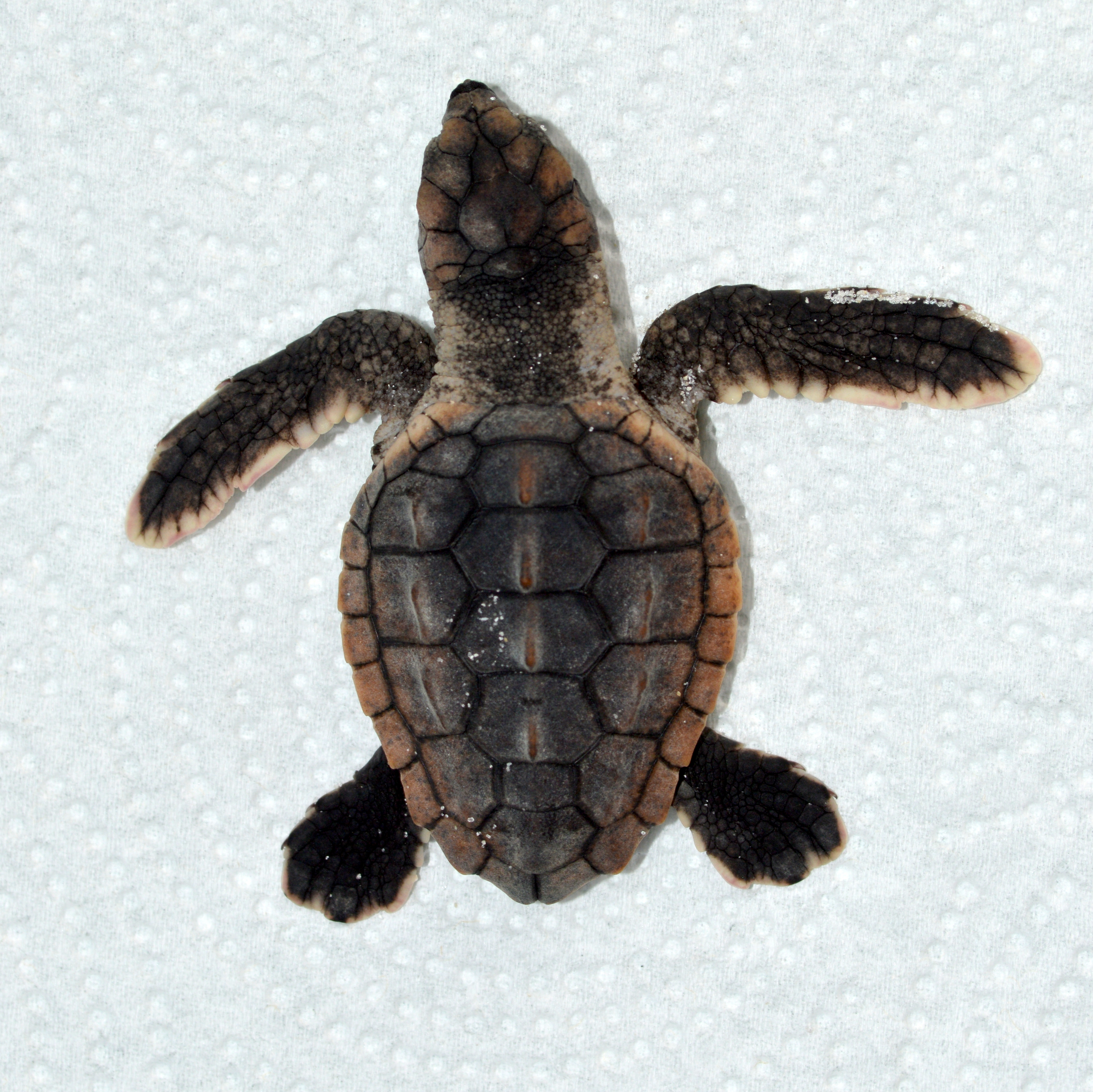
Large sea turtle with a massive head, powerful jaws, and reddish-brown heart-shaped shell.
Credits:
Facts: wildlife reference. Images: Wikimedia Commons.