
Long-Tailed Weasel
Neogale frenata
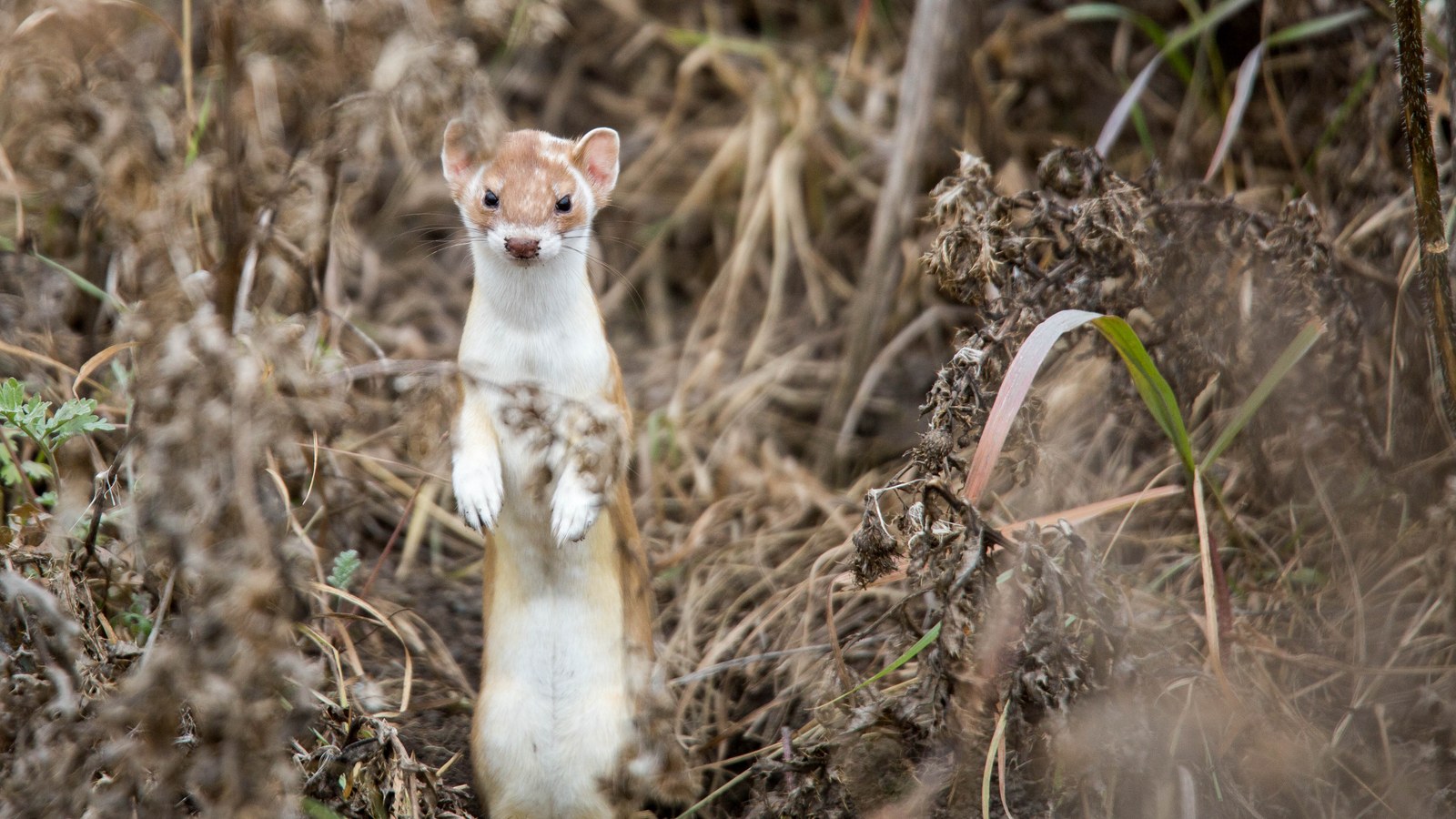
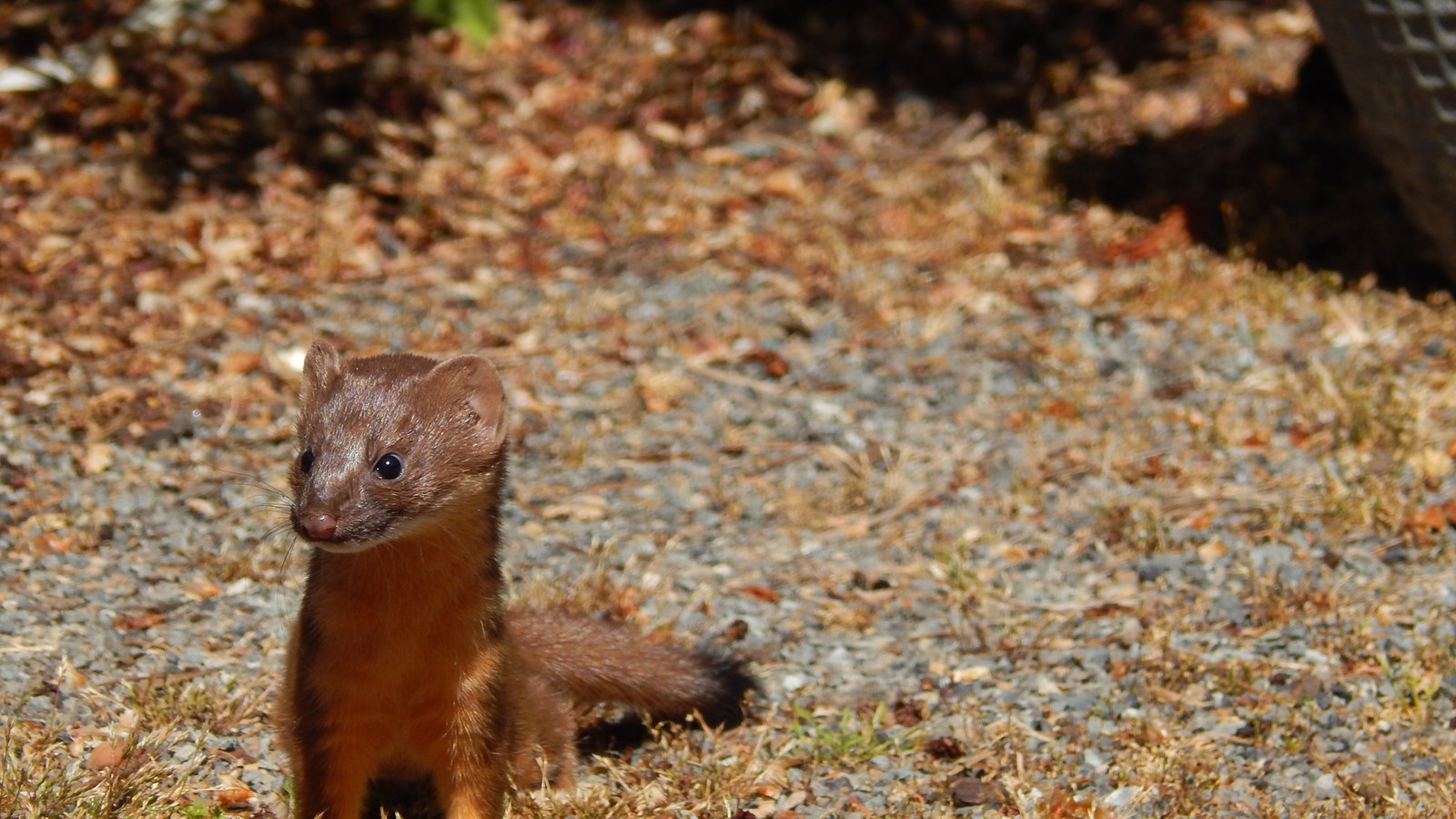
The long-tailed weasel is a secretive Florida predator with a slender body, brown coat, pale underside, and black-tipped tail.
Long-tailed weasels occur across Florida but are rarely seen because they move quickly and use dense cover. They live near fields, wetland edges, woodlands, brush piles, and places with abundant small mammals.
Their narrow bodies let them pursue prey into burrows and tight spaces. A brief sighting near a yard often reflects healthy rodent habitat rather than a resident animal living beside the home.
Habitat:
Forests and Woodlands, Grasslands and Agricultural Areas, Freshwater Wetlands, Urban and Residential Areas
Area / Range:
Statewide
Diet:
They prey on mice, rats, voles, rabbits, squirrels, birds, eggs, reptiles, amphibians, and large insects.
Behavior:
Long-tailed weasels hunt with quick bounds, investigate burrows, and travel over surprisingly large areas. They are mostly solitary and may be active during day or night.
Dawn and Dusk, Night
Active Times:
Best time to see:
Dawn or dusk near brushy field edges, wetlands, barns, and woodland openings.
Florida Native Status:
Native
Conservation Status:
Least Concern globally. Florida records are scattered, and the species remains poorly documented in many parts of the state.
Safety Level:
Use Caution
Safety Information:
Do not corner or handle a weasel. Secure poultry with half-inch hardware cloth, remove spilled feed, and block access only after confirming no young are present.
Benefits to Property:
Long-tailed weasels are effective predators of mice, rats, and other small animals that damage gardens, feed supplies, and structures.
Property Concerns:
They may enter poorly secured coops or hutches and kill poultry or small domestic animals. Gaps around foundations and feed storage attract prey and increase visits.
Fun Fact:
The species' long, flexible body allows it to enter rodent tunnels. The black tail tip may distract predators from the head during a chase.
Wildlife Laws:
Long-tailed weasels are native wildlife. Trapping, possession, and nuisance removal must follow current FWC rules and local requirements. Poisoning creates risks for pets and other wildlife.
Identification:
This weasel has a long, low body, short legs, small rounded ears, brown upperparts, a cream or yellowish underside, and a long tail ending in a black tip. Florida animals remain brown rather than turning white in winter.
Credits:
Facts: Long-tailed weasel species account. Images: primary and secondary, Wikimedia Commons.