
North American Beaver
Castor canadensis
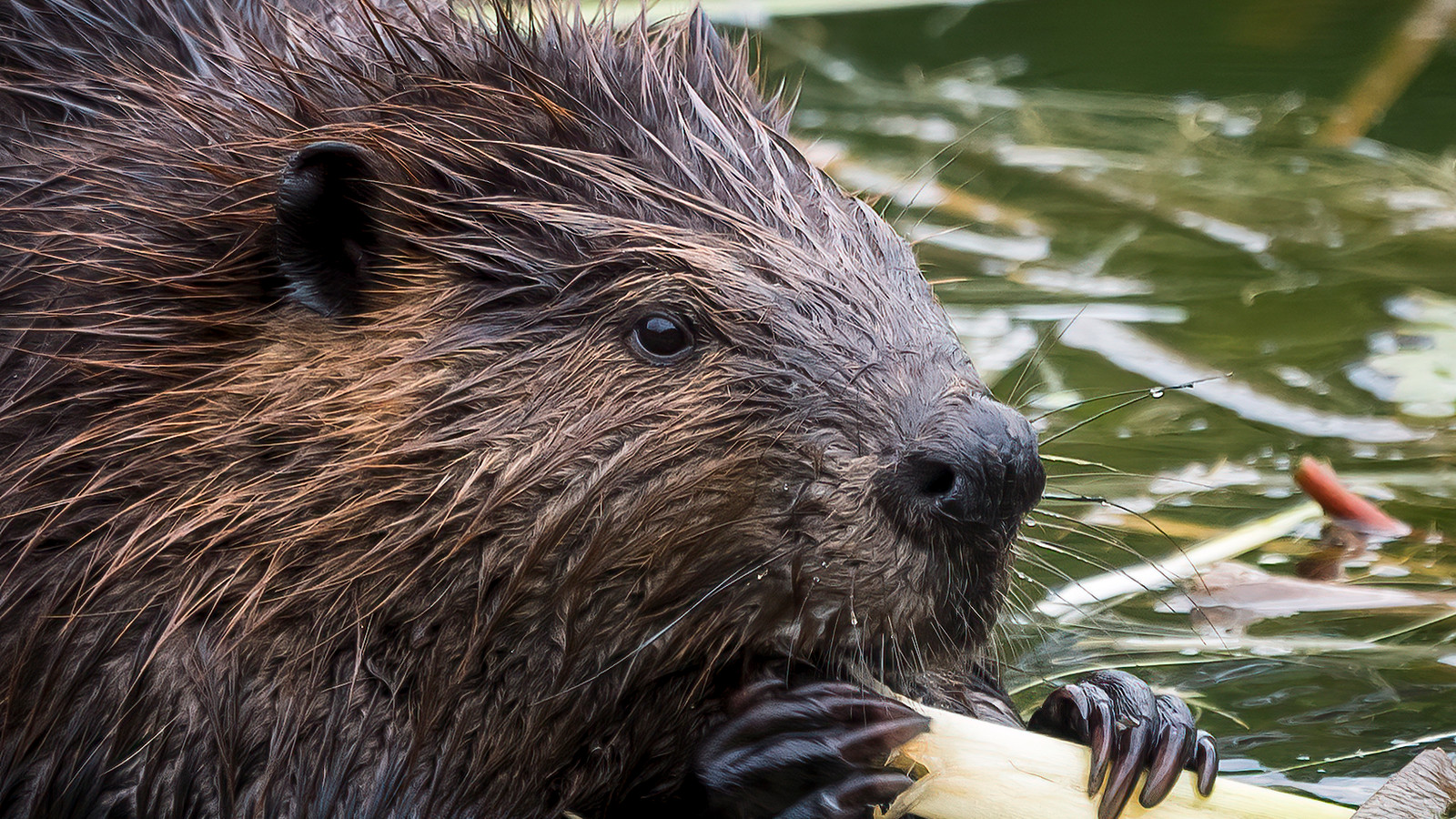
Florida’s largest native rodent and an ecosystem engineer of northern rivers, wetlands, ponds, and wooded drainage systems.
North American Beavers occur mainly in the Florida Panhandle and northern peninsula. Their dams slow water and create ponds, wet meadows, and habitat for fish, amphibians, birds, and insects.
The same activity may flood roads, lawns, culverts, and planted areas. Good management protects water flow while recognizing the habitat value beavers create.
Habitat:
Rivers and Springs, Lakes and Ponds, Freshwater Wetlands
Area / Range:
Florida Panhandle, North Florida
Diet:
Eats bark, twigs, leaves, aquatic plants, grasses, and inner wood from willow, sweetgum, maple, and other trees.
Behavior:
Mostly active from dusk through night. Beavers build lodges, bank dens, canals, and dams and slap the water when alarmed.
Dawn and Dusk, Nighttime
Active Times:
Best time to see:
Near dusk along quiet northern Florida ponds and streams with fresh gnaw marks or stick structures.
Florida Native Status:
Native
Conservation Status:
Secure and widespread; local populations vary with water and habitat conditions.
Safety Level:
Moderate
Safety Information:
Do not corner, feed, or approach a beaver on land. Keep pets away from lodges and use trained professionals for conflicts.
Benefits to Property:
Creates wetland habitat, stores water, traps sediment, and supports amphibians, fish, waterbirds, and plants.
Property Concerns:
Dams may flood turf, roads, septic areas, or structures. Tree cutting and blocked culverts require prompt assessment.
Fun Fact:
- Orange tooth enamel strengthens the incisors.
- Transparent eyelids protect the eyes underwater.
- Beaver ponds support many other species.
Wildlife Laws:
Beavers are regulated wildlife and furbearers. Trapping, take, relocation, and nuisance control must follow current FWC rules and local requirements.
Identification:
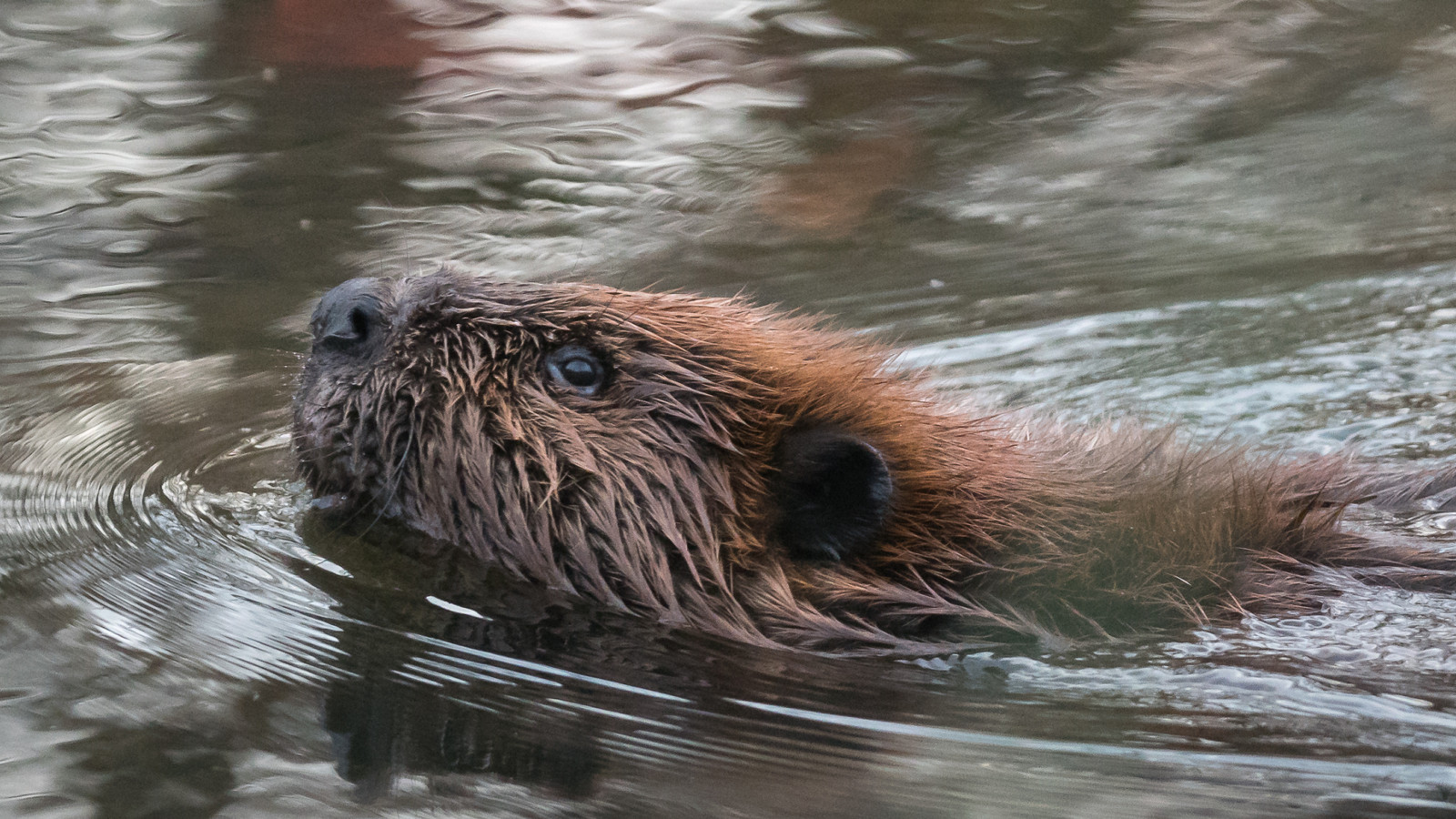
Large brown aquatic rodent with a broad flat tail, small rounded ears, orange incisors, and webbed hind feet. Gnawed stems and pointed stumps reveal its presence.