
Northern Bobwhite
Colinus virginianus
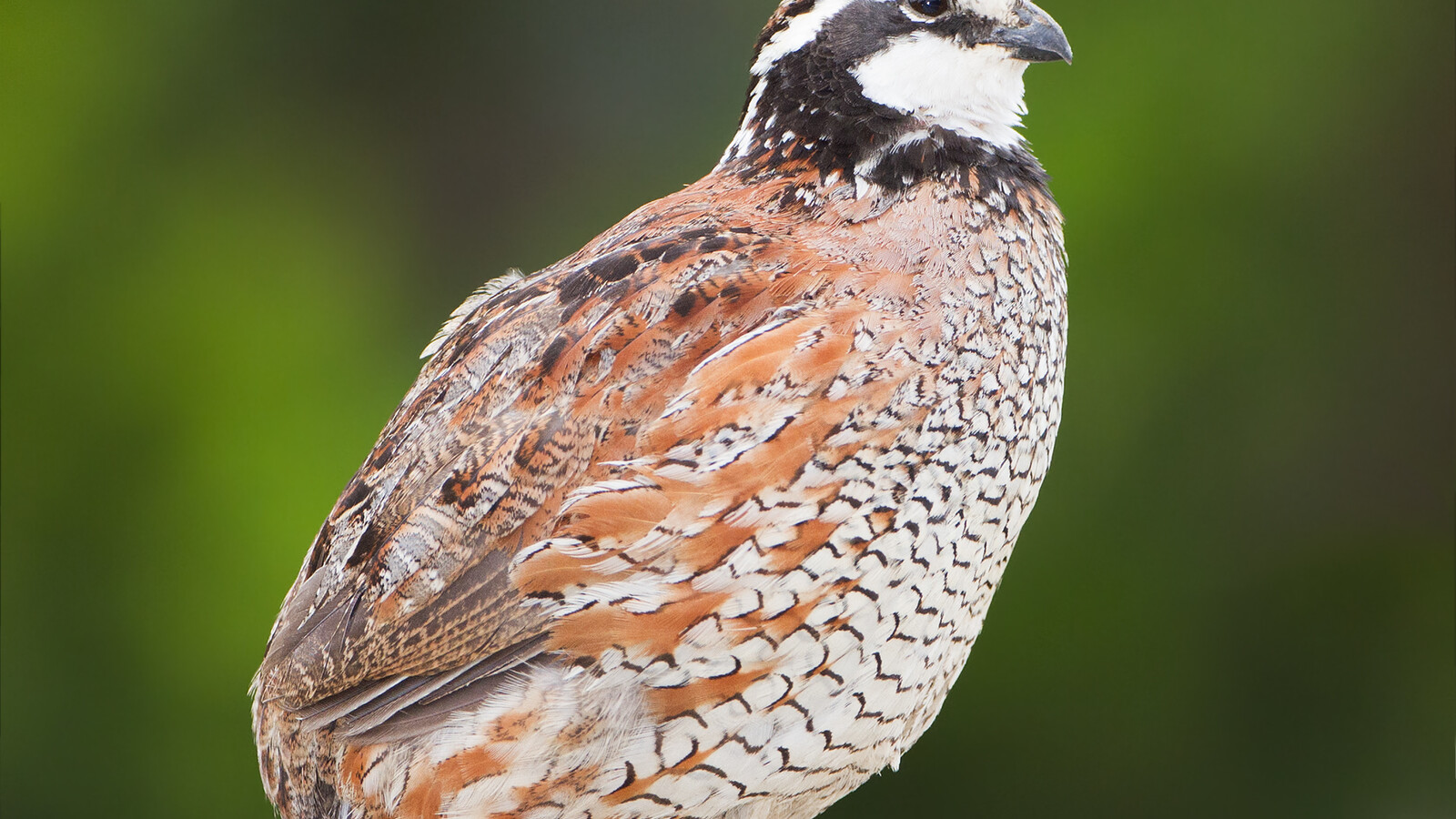
Northern Bobwhites are small, round quail of Florida’s open pinewoods and fields, often detected first by the male’s clear bob-white whistle.
Northern Bobwhites need a close mix of native grasses, low shrubs, open ground, and escape cover. Frequent prescribed fire helps maintain the vegetation structure they use.
Family groups form coveys outside breeding season. Their sudden explosive flight often surprises people walking through grass or brush.
Habitat:
Pine Flatwoods and Sandhills, Grasslands and Agricultural Areas, Scrub and Dry Prairie
Area / Range:
Statewide
Diet:
They eat seeds, leaves, berries, acorns, insects, and other small invertebrates. Chicks depend heavily on insects for growth.
Behavior:
Bobwhites spend most of their time on the ground, run through cover, dust-bathe, and burst into fast flight when pressed. Coveys roost in a tight outward-facing circle.
Dawn and Dusk, Day
Active Times:
Best time to see:
Early morning or late afternoon along grassy edges, open pinewoods, farms, and brushy fields.
Florida Native Status:
Native
Conservation Status:
Widespread but declining because of habitat loss, fire suppression, intensive land use, and reduced ground cover.
Safety Level:
Low Risk
Safety Information:
Watch from a distance and keep pets out of nesting cover. Delay mowing known nesting areas when practical and check current hunting-season safety requirements.
Benefits to Property:
They consume weed seeds and insects and signal healthy native groundcover in larger landscapes.
Property Concerns:
They rarely damage property. Mowing during nesting season, outdoor cats, and loss of brushy cover reduce local survival.
Fun Fact:
The familiar bob-white call belongs mainly to males advertising territory. A covey’s circular night roost helps birds conserve heat and watch for danger.
Wildlife Laws:
Northern Bobwhite is a regulated game bird. Hunting requires proper licenses, seasons, methods, and bag limits. Nests and eggs must not be disturbed outside authorized activities.
Identification:
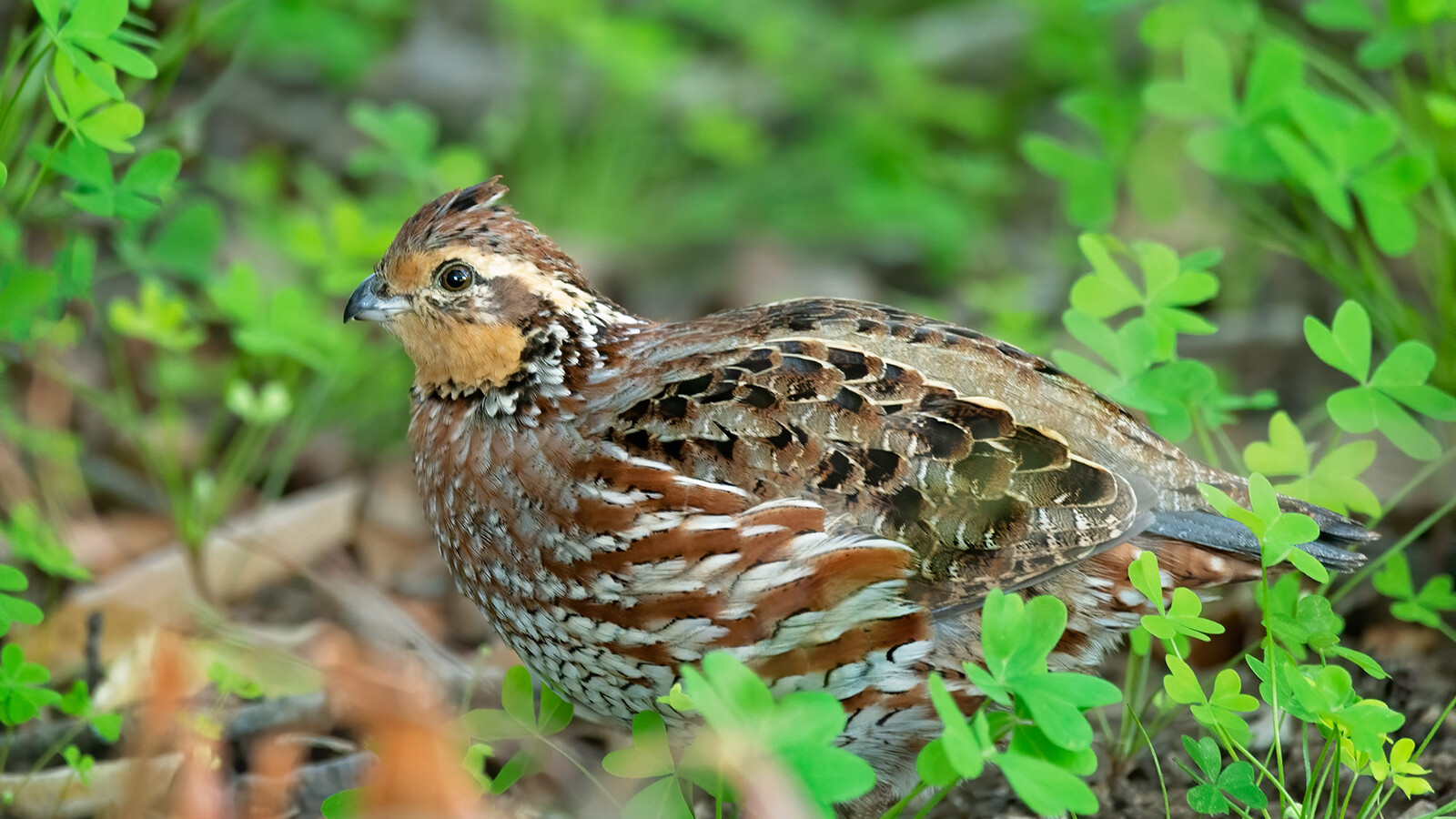
These compact quail have short tails, mottled brown bodies, and striped faces. Males show a white throat and eyebrow bordered in black. Females have buff-colored face markings.
Credits:
Facts: species reference. Images: primary and secondary, Wikimedia Commons.