
Norway Rat
Rattus norvegicus
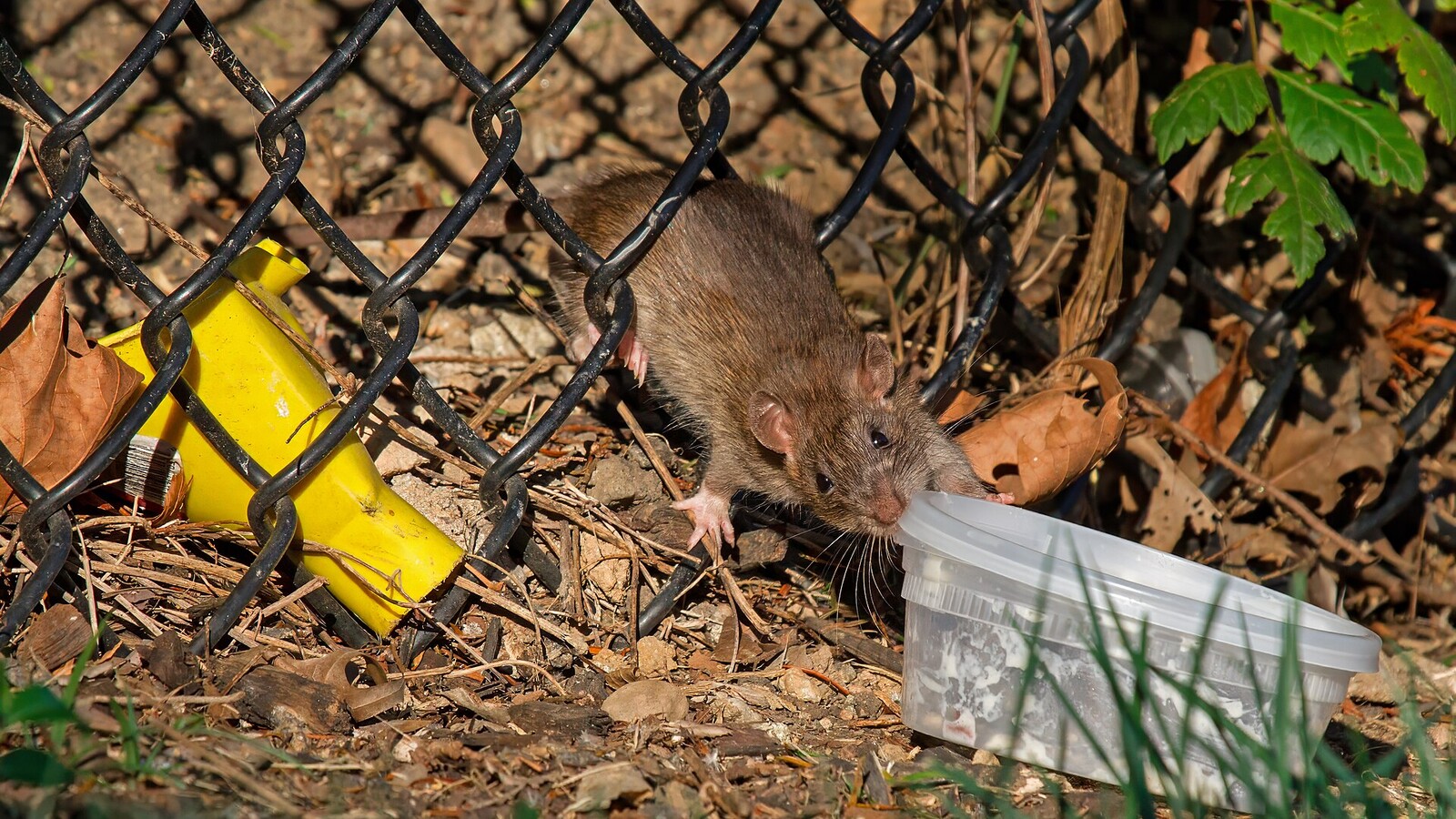
Norway rats are heavy-bodied introduced rodents that burrow near buildings, waterfront structures, trash areas, and drainage systems.
Norway rats thrive where dependable food, water, and low hiding cover meet. They commonly burrow under slabs, sheds, seawalls, dense shrubs, and accumulated debris.
Lasting control requires sanitation, exclusion, vegetation management, and carefully placed traps or professional bait stations.
Habitat:
Urban and Residential Areas, Grasslands and Agricultural Areas, Canals and Ditches
Area / Range:
Statewide
Diet:
Norway rats eat grains, meat, pet food, fruit, garbage, birdseed, insects, and nearly any accessible organic material.
Behavior:
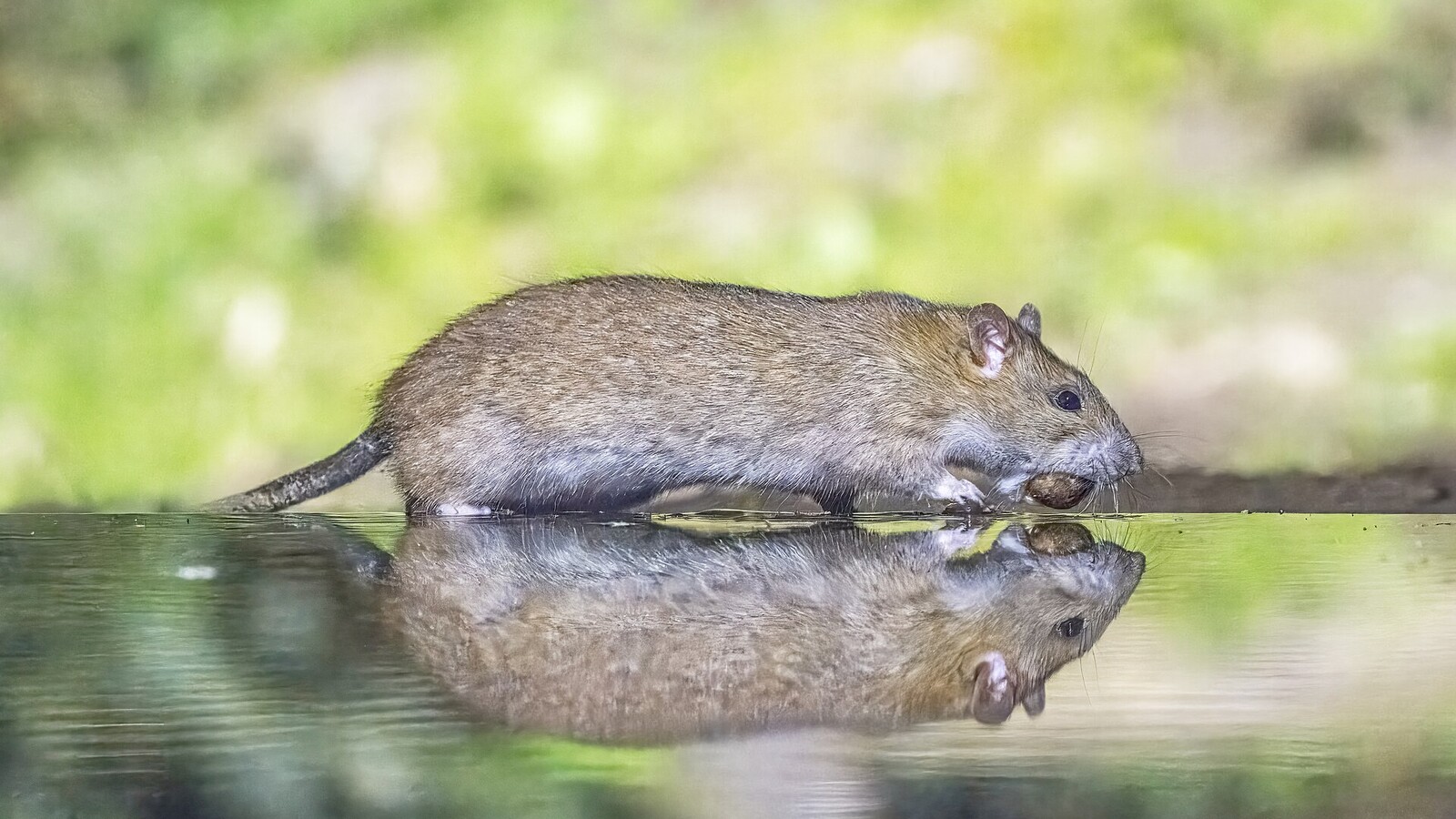
They are nocturnal, strong swimmers, cautious around new objects, and likely to use repeated travel routes beside walls. Colonies excavate connected burrows.
Night
Active Times:
Best time to see:
After dark near dumpsters, seawalls, drainage areas, sheds, alleys, and dense landscaping.
Florida Native Status:
Introduced
Conservation Status:
Abundant nonnative urban rodent with no conservation concern.
Safety Level:
Use Caution
Safety Information:
Avoid contact with live or dead rats. Wear gloves, disinfect waste before removal, seal entry gaps, and keep rodenticides inside tamper-resistant stations away from children and wildlife.
Benefits to Property:
They serve as prey for some urban predators, but their property benefit is minimal.
Property Concerns:
They undermine soil, contaminate stored food, damage irrigation and wiring, raid gardens, and create health risks through waste and parasites.
Fun Fact:
Norway rats are capable swimmers and often travel through stormwater and sewer systems before emerging near food sources.
Wildlife Laws:
Norway rats are nonnative and not protected as Florida wildlife. Any poison, trap, or disposal method must follow pesticide labels, local rules, and humane standards.
Identification:
They have a blunt snout, small ears, a thick body, and a scaly tail shorter than the head and body combined. Fur is brown-gray above and paler underneath.
Credits:
Facts: species reference. Images: primary and secondary, Wikimedia Commons.