
Oldfield Mouse
Peromyscus polionotus
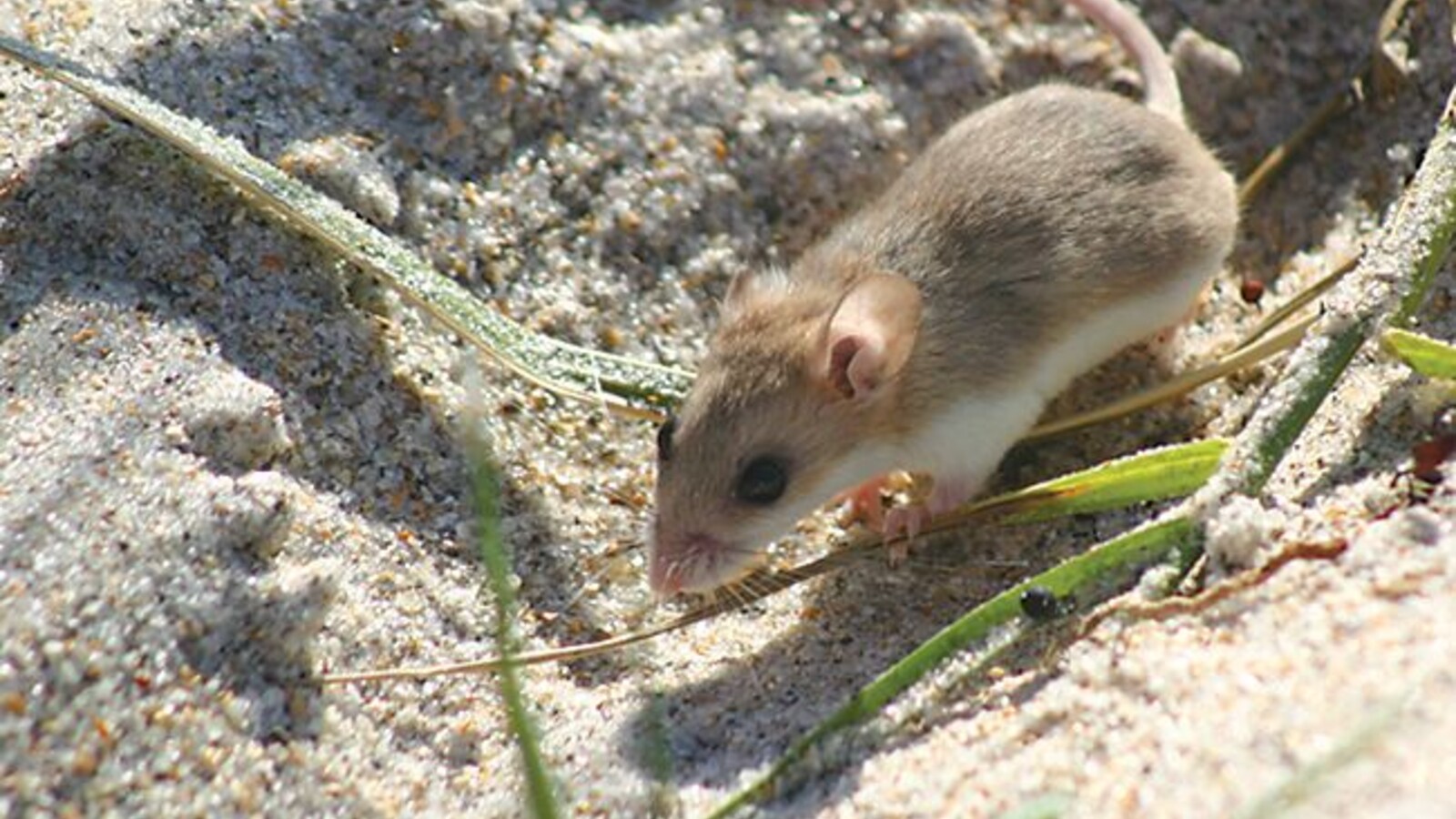
Oldfield Mice are small native rodents of open sandy ground, fields, and dunes, including rare Florida beach-mouse subspecies.
Oldfield Mice occupy fields, sandy uplands, dunes, and sparse woodland edges.
They dig complex burrows with nest chambers and escape tunnels. Coastal subspecies require intact vegetation and dark nighttime conditions.
Habitat:
Beaches and Dunes, Grasslands and Agricultural Areas, Pine Flatwoods and Sandhills
Area / Range:
Statewide
Diet:
Grass seeds, fruits, acorns, and insects. Coastal animals gather dune-plant seeds.
Behavior:
They forage mainly at night and retreat to underground burrows by day.
Night, Dusk, Dawn
Active Times:
Best time to see:
After dark in open sandy habitat, though tracks and burrow openings offer safer signs.
Florida Native Status:
Native
Conservation Status:
The species remains widespread, but several Florida beach-mouse subspecies are federally threatened or endangered.
Safety Level:
Low Risk
Safety Information:
Avoid handling wild rodents. Use gloves around droppings and protect dune vegetation from pets and traffic.
Benefits to Property:
They move seeds, aerate sandy soil, and support native predators such as owls and snakes.
Property Concerns:
They occasionally enter structures. Use exclusion and food control because poison threatens protected mice and predators.
Fun Fact:
Burrows often include a main entrance, nest chamber, and escape tunnel ending below the soil surface.
Wildlife Laws:
Several Florida beach-mouse subspecies receive Endangered Species Act protection. Trapping, poisoning, lighting, and dune disturbance face strict rules.
Identification:
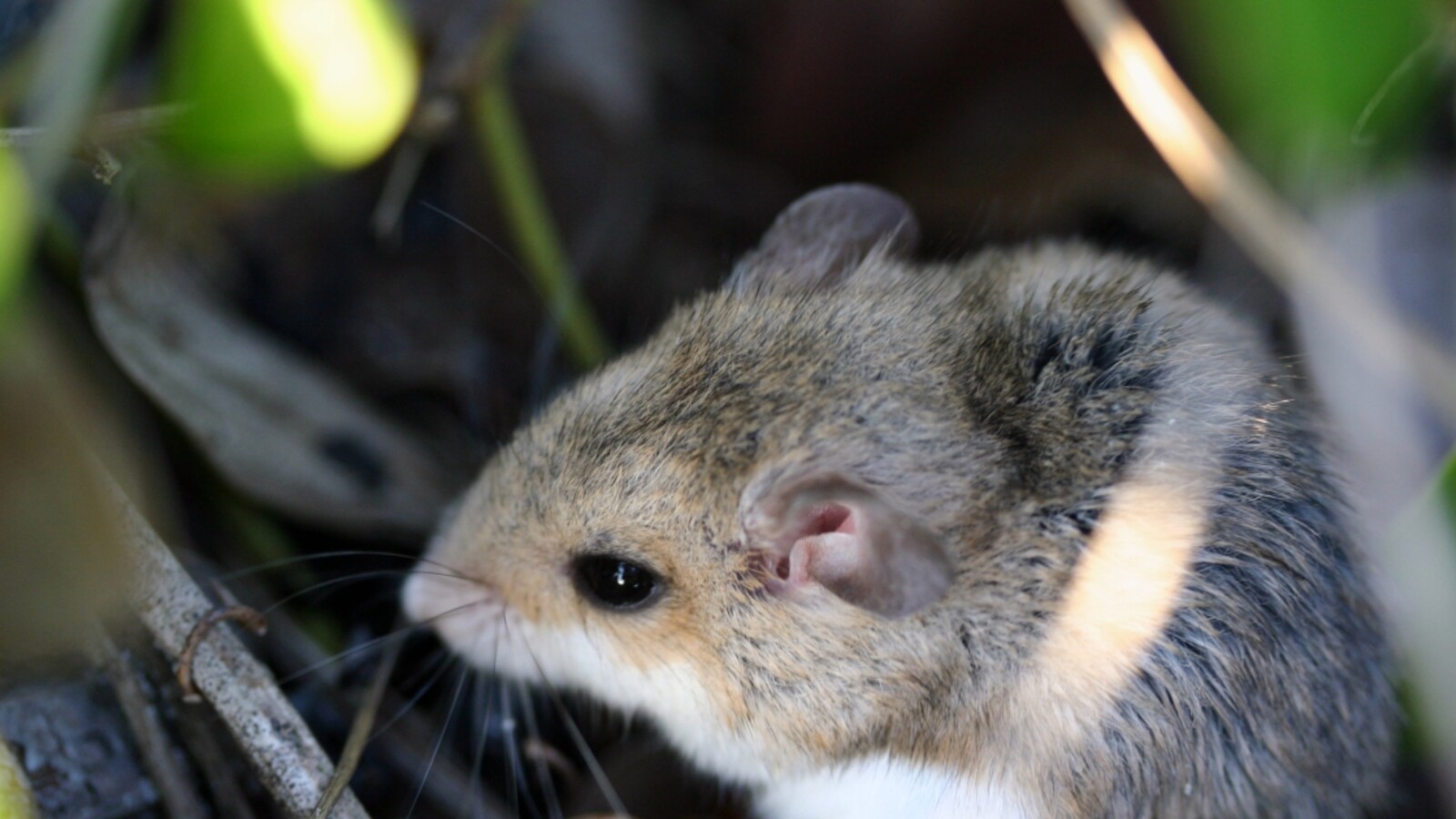
Look for large dark eyes, rounded ears, a pale belly, and a sharply bicolored tail. Beach forms are pale gray or sandy.
Credits:
Facts: U.S. Fish and Wildlife Service. Images: Perdido Key form and Southeastern form.