
Orchard Orbweaver
Leucauge venusta
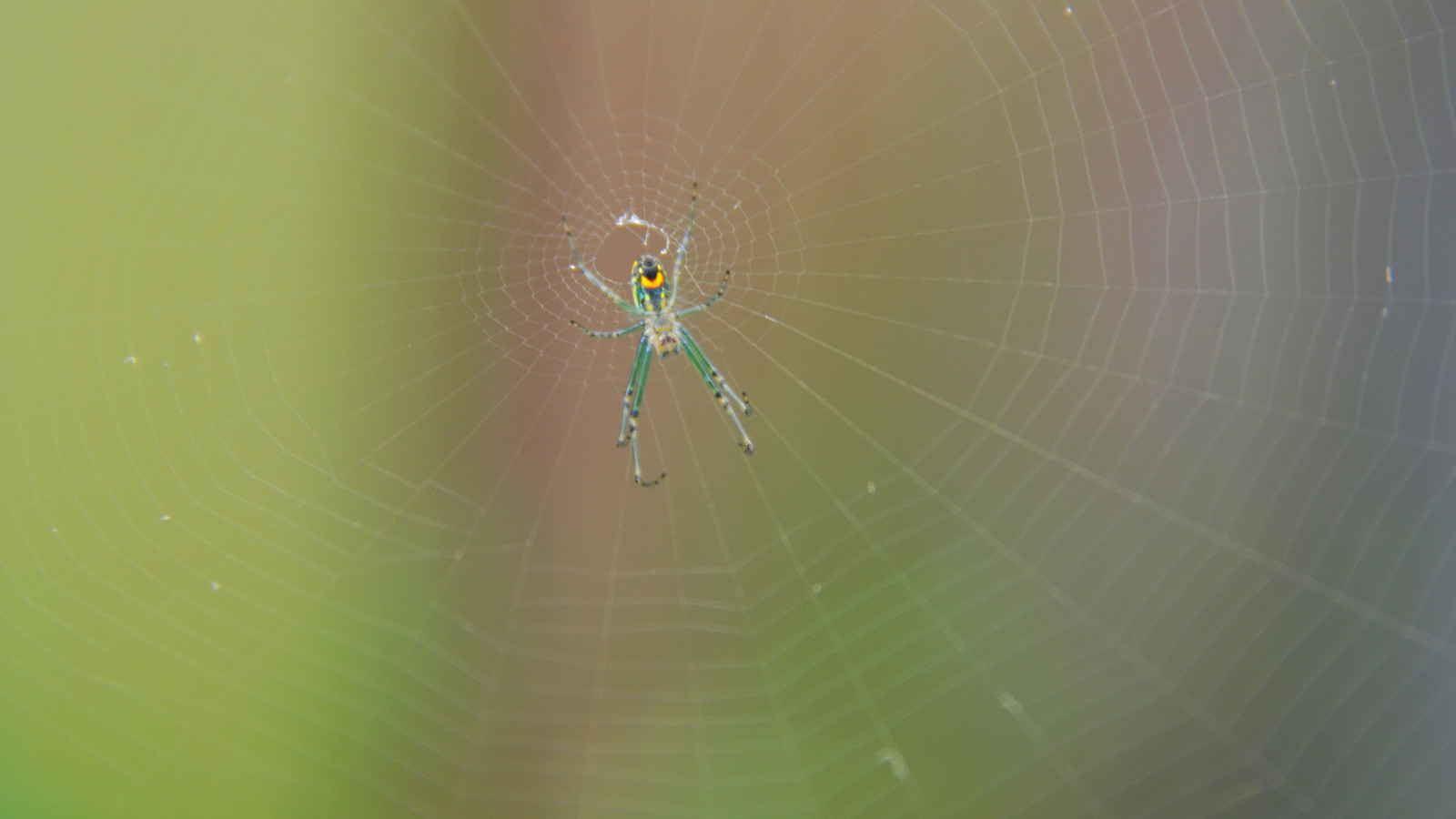
A small long-legged Florida spider with a silvery green body that builds delicate horizontal webs in shaded vegetation.
Orchard Orbweavers are common in Florida woodlands, gardens, citrus groves, and shaded landscape beds. Their fine orb webs often stretch horizontally between shrubs and low branches.
The spider rests near the center or underside of the web and captures gnats, flies, mosquitoes, and other small insects. Webs are rebuilt as weather and prey activity change.
Habitat:
Forests and Woodlands, Urban and Residential Areas
Area / Range:
Statewide
Diet:
Captures small flying insects, including gnats, flies, mosquitoes, leafhoppers, and tiny moths.
Behavior:
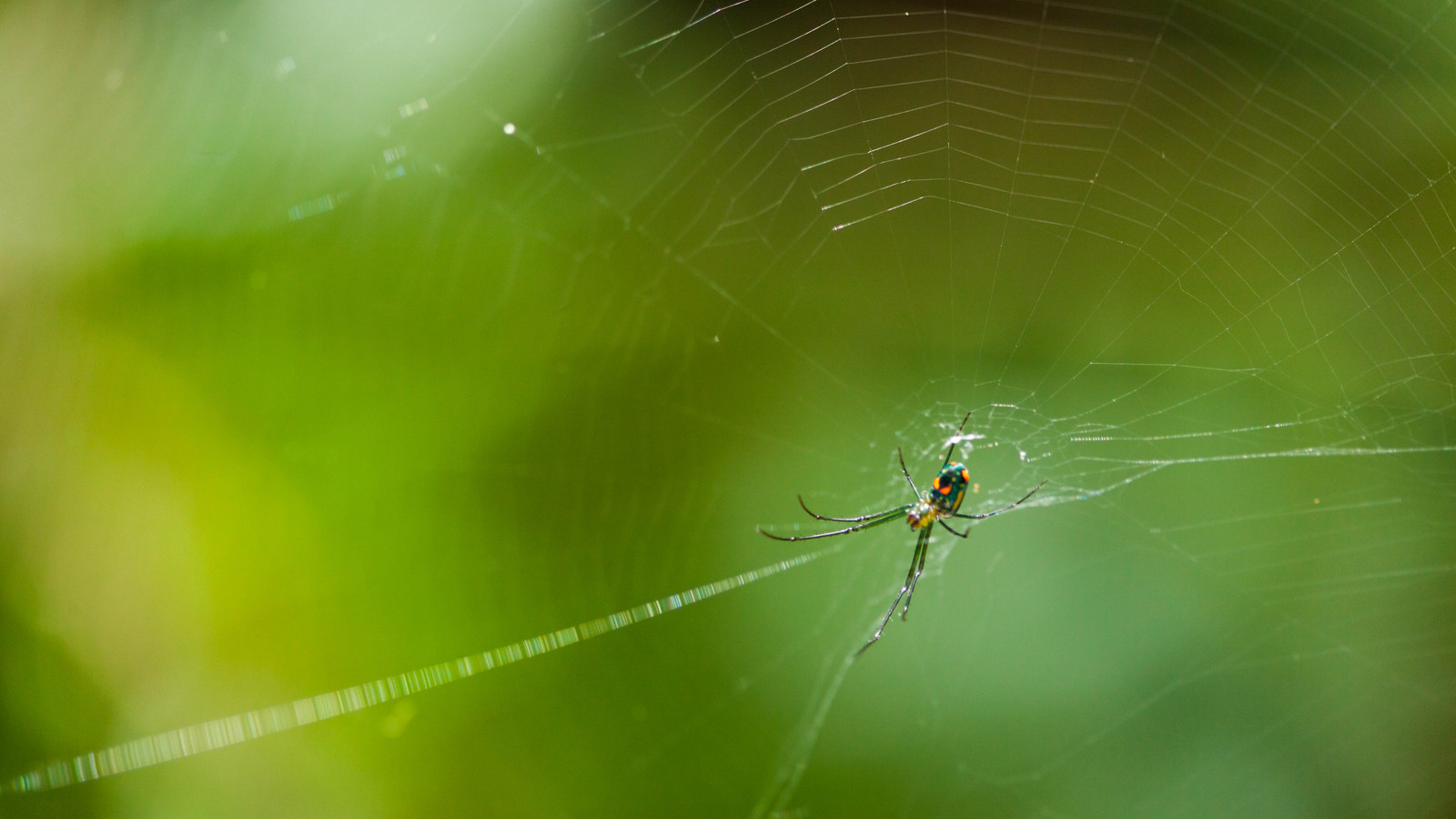
Builds a delicate orb web in humid shaded vegetation and often hangs beneath the center. It retreats quickly when disturbed and is not aggressive.
Daytime, Nighttime
Active Times:
Best time to see:
Warm humid months in shaded gardens and woodland edges, especially when low-angle light reveals the web.
Florida Native Status:
Native
Conservation Status:
Not federally or state listed; common in vegetated Florida landscapes with abundant small insects.
Safety Level:
Low
Safety Information:
Harmless to people and pets in normal settings. Avoid handling, and gently move through the web area if it crosses a walkway.
Benefits to Property:
Captures many small flying insects and adds natural pest control within shaded landscape beds.
Property Concerns:
Webs may span narrow paths or shrub gaps. They cause no structural damage and are easily avoided or gently relocated.
Fun Fact:
- The abdomen can shine silver, green, yellow, and orange.
- Its web often sits nearly horizontal rather than vertical.
- The spider usually hangs on the web’s underside.
Wildlife Laws:
No special federal or Florida listing applies. Pesticide use and collecting remain subject to product labels, property rules, and protected-area regulations.
Identification:
Small spider with very long slender legs, a metallic silver-green abdomen, yellow-orange markings, and dark lines beneath. The web is usually tilted or nearly horizontal.