
Pine Warbler
Setophaga pinus
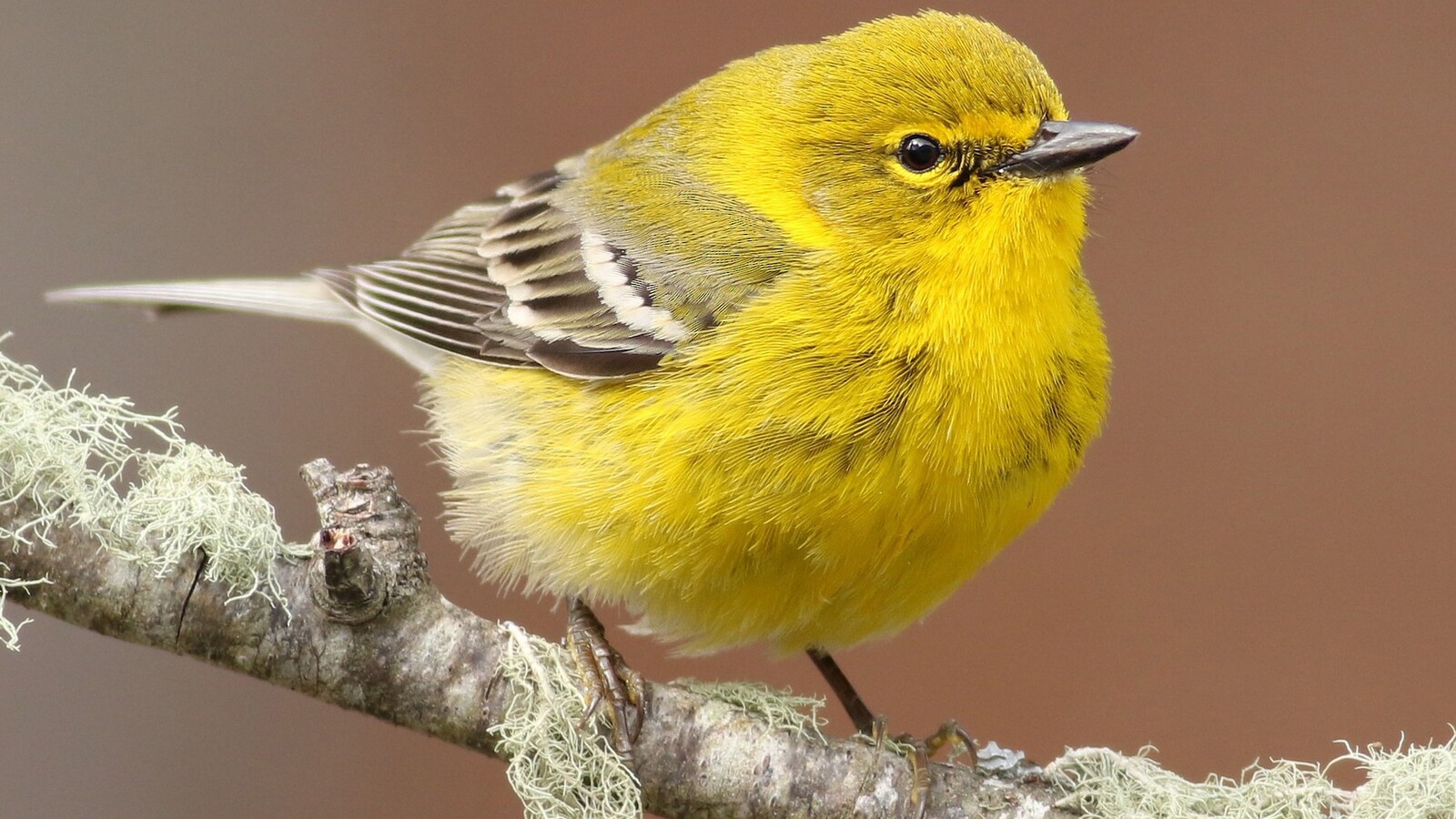
Pine Warblers are year-round Florida songbirds that forage in pine canopies and deliver a clear musical trill.
Pine Warblers live in pine flatwoods, mature pine stands, mixed woodland, and neighborhoods with tall pines.
They move slowly along branches, search needles and bark for food, and visit suet or seed feeders more readily than most warblers.
Habitat:
Pine Flatwoods and Sandhills, Forests and Woodlands, Urban and Residential Areas
Area / Range:
Statewide
Diet:
Caterpillars, beetles, ants, spiders, pine seeds, berries, and occasional feeder foods.
Behavior:
They forage methodically in pine crowns, join mixed-species flocks outside breeding season, and sing from high exposed limbs.
Day, Dawn
Active Times:
Best time to see:
Morning in mature pines, especially during late winter and spring when males sing steadily.
Florida Native Status:
Native
Conservation Status:
Widespread and generally stable where mature pine habitat remains.
Safety Level:
Low Risk
Safety Information:
This bird poses no danger. Keep cats indoors and avoid disturbing active nests.
Benefits to Property:
Pine Warblers consume caterpillars and other tree insects while adding year-round songbird activity.
Property Concerns:
No property damage. Removing mature pines and broad insecticide use reduce feeding and nesting habitat.
Fun Fact:
Pine Warblers are among the few North American warblers that regularly eat substantial amounts of seeds.
Wildlife Laws:
Protected by the Migratory Bird Treaty Act. Adult birds, active nests, eggs, and young must remain undisturbed.
Identification:
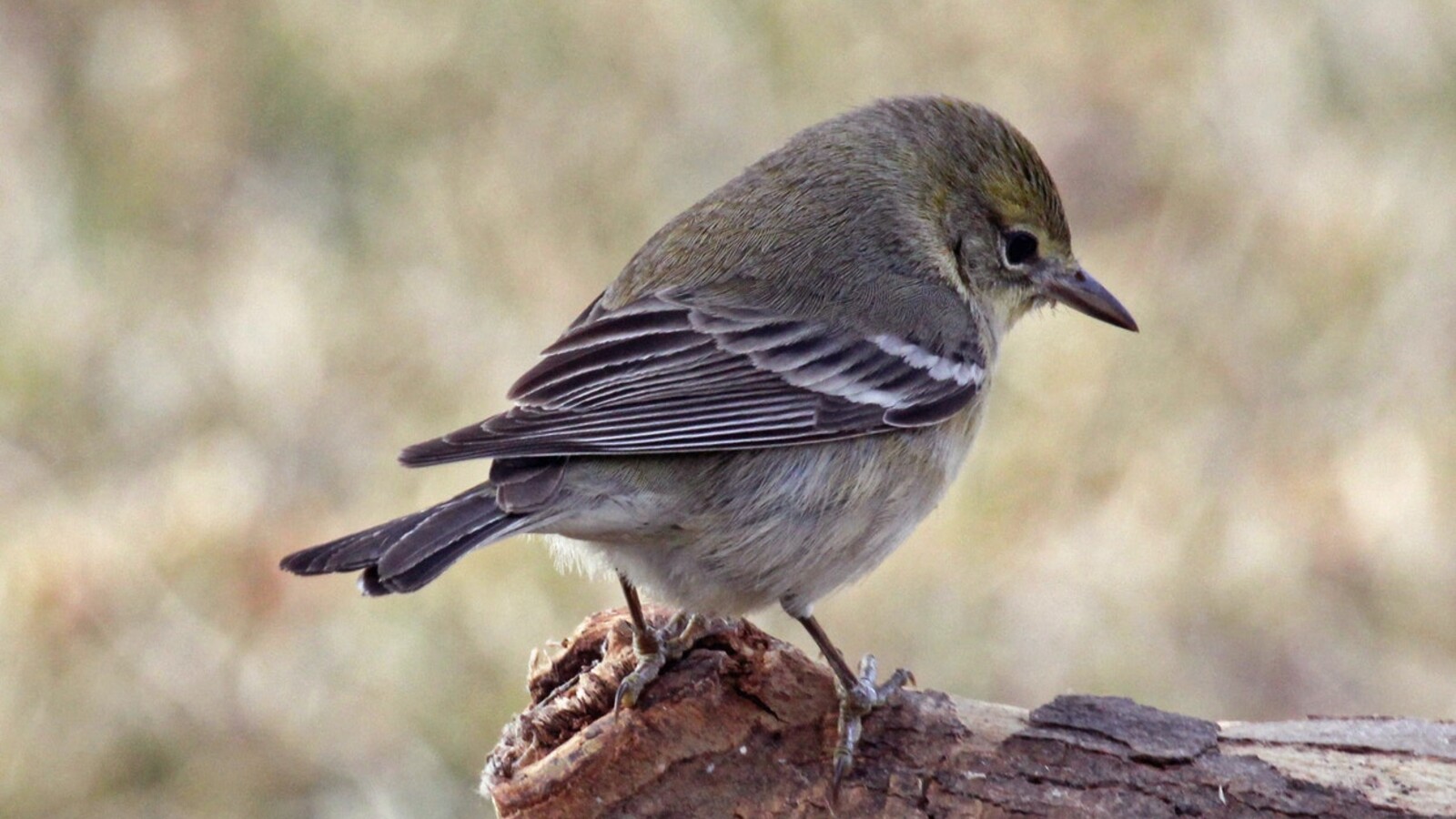
Males show yellow throats and breasts, olive backs, white bellies, two white wing bars, and faint side streaks. Females are duller olive-gray with pale yellow underparts.
Credits:
Facts: Cornell Lab. Images: male and female.