
River Frog
Lithobates heckscheri
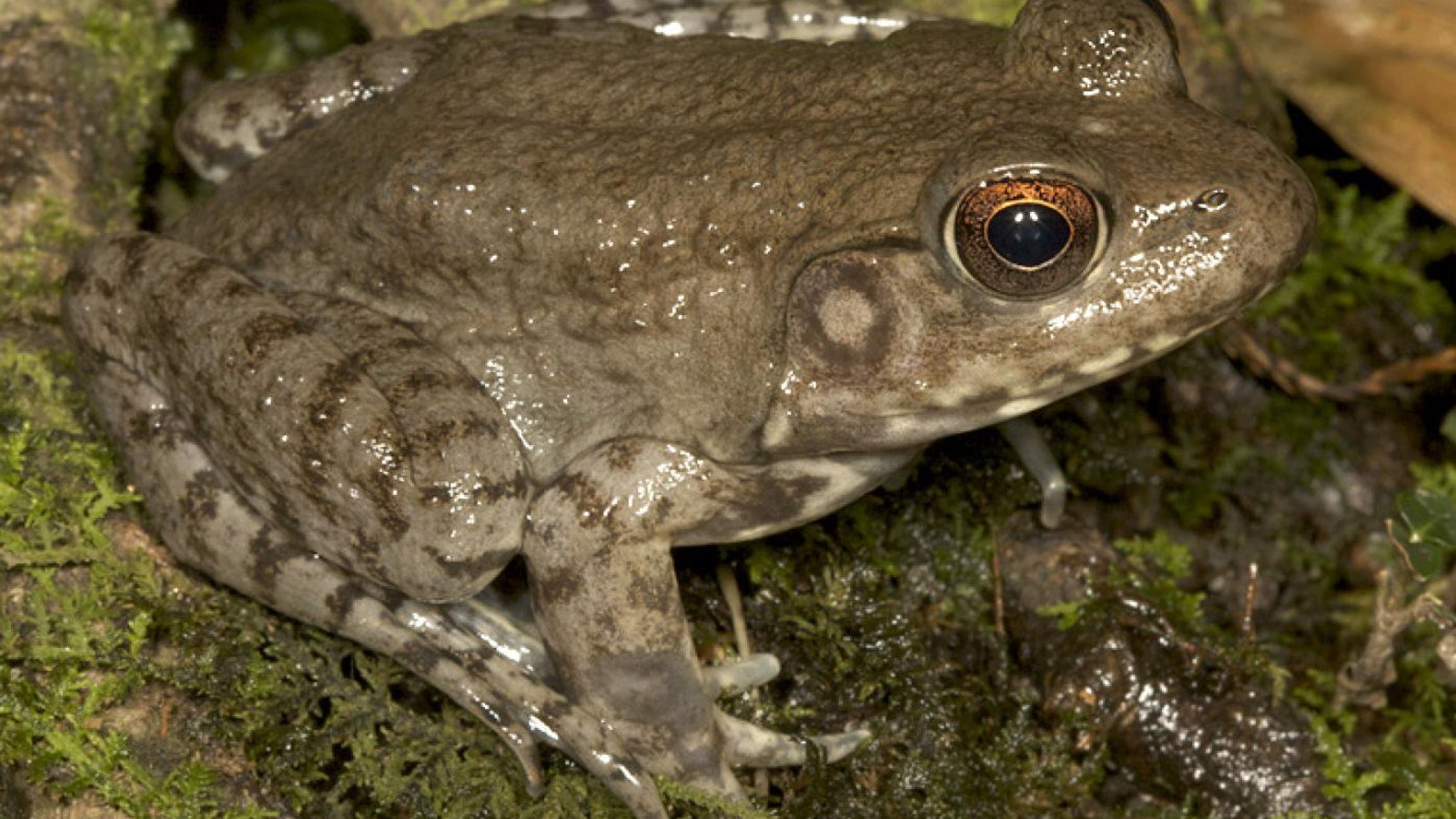
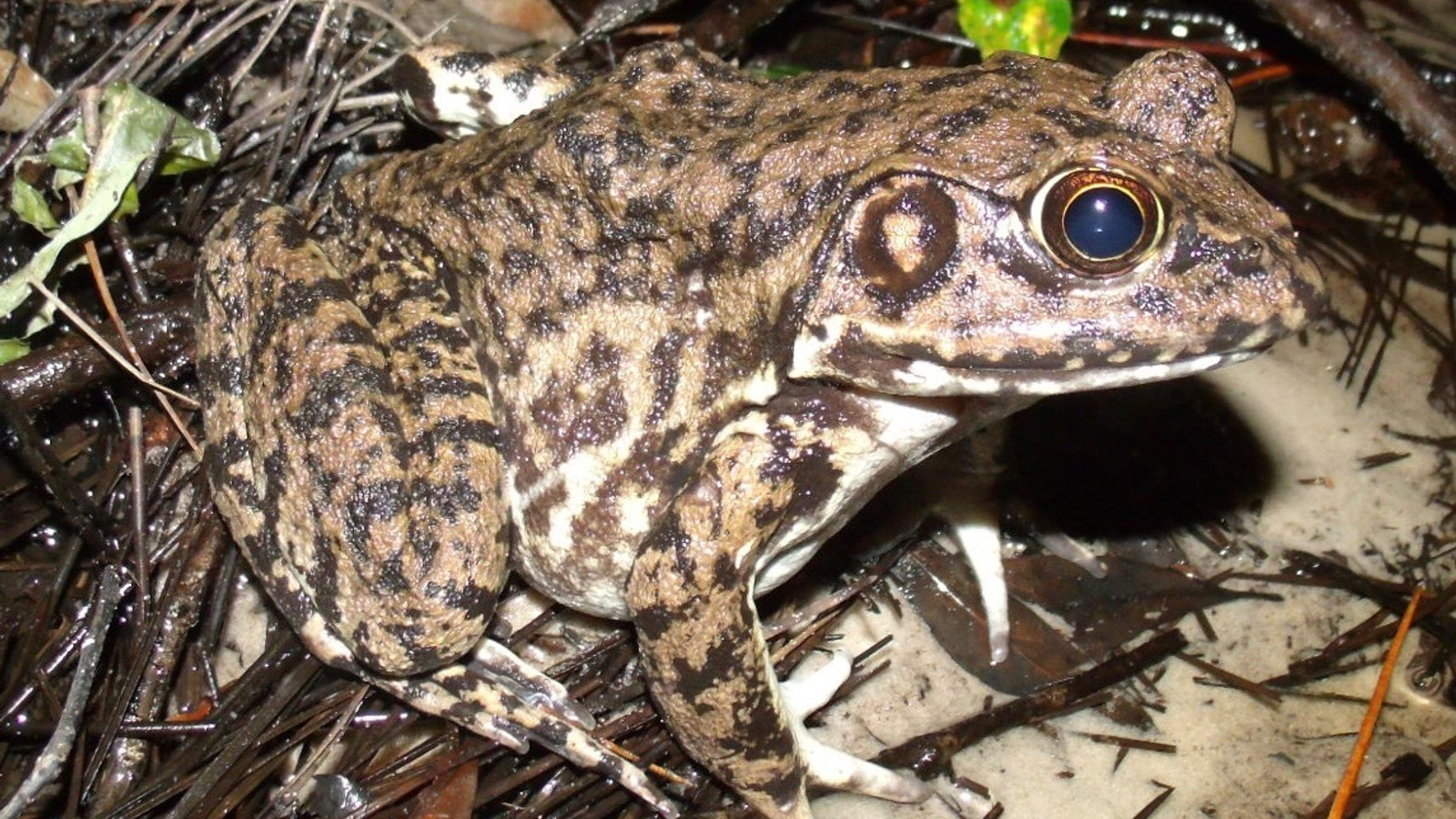
A large dark-spotted frog of blackwater rivers, swamps, and floodplain wetlands in northern Florida.
River Frogs live near slow rivers, oxbows, swamps, and wooded floodplains. They are strong swimmers and usually stay close to deep water or dense shoreline cover.
Large tadpoles may remain aquatic for more than a year. Healthy hydroperiods, clean water, and intact floodplain forest support breeding populations.
Habitat:
Freshwater Wetlands, Rivers and Springs, Lakes and Ponds
Area / Range:
Florida Panhandle, North Florida, Central Florida
Diet:
Eats insects, spiders, crayfish, small frogs, and other animals it can overpower.
Behavior:
Forages near water at night and escapes with long jumps into deep cover. Adults can release a strong-smelling skin secretion when handled.
Dawn and Dusk, Nighttime
Active Times:
Best time to see:
Warm rainy nights near blackwater rivers, wooded swamps, and floodplain ponds.
Florida Native Status:
Native
Conservation Status:
Not federally or state listed in Florida; wetland alteration can reduce local populations.
Safety Level:
Low
Safety Information:
Harmless, but skin secretions can irritate eyes or mouths. Avoid handling and wash hands after accidental contact. Keep pets from mouthing frogs.
Benefits to Property:
Consumes insects and supports wetland food webs as both predator and prey.
Property Concerns:
No structural concern. Frogs may gather near outdoor lights, ponds, and damp drainage areas.
Fun Fact:
- Tadpoles can grow very large.
- The species gives a deep snoring call.
- Adults usually dive rather than hide on land.
Wildlife Laws:
No special listed-species protection applies in Florida, but collection on public lands and commercial take remain regulated. Pesticide use must follow label and water-protection rules.
Identification:
Large olive-brown or dark frog with irregular spots, pale lips, long legs, and no continuous dorsolateral ridges. The belly and inner thighs often show dark mottling.