
River Otter
Lontra canadensis
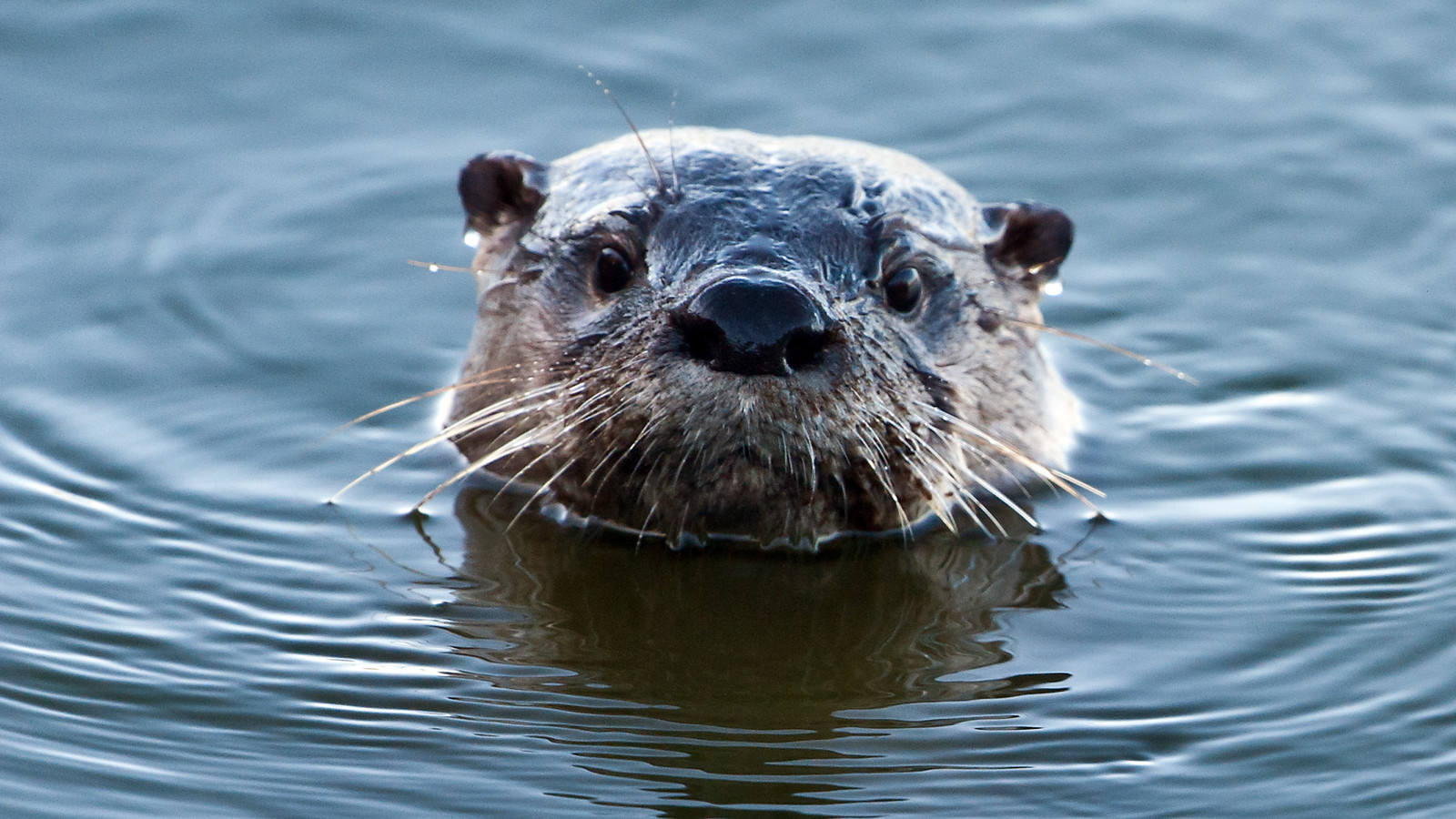
A sleek freshwater predator that swims, dives, and travels through Florida wetlands with speed and agility.
North American River Otters use rivers, lakes, marshes, swamps, and connected estuaries across Florida. Clean water, healthy fish populations, and vegetated shorelines support their territories.
They are powerful swimmers and often travel overland between water bodies, especially at night or during quiet morning hours.
Habitat:
Freshwater Wetlands, Lakes and Ponds, Rivers and Springs, Canals and Ditches, Estuaries and Bays, Mangroves and Salt Marshes
Area / Range:
Statewide
Diet:
Feeds mainly on fish and crayfish, plus frogs, crabs, aquatic insects, and occasional small reptiles.
Behavior:
Swims and dives for prey, uses shoreline dens, and marks regular travel routes. Family groups sometimes play, slide, or forage together.
Dawn and Dusk, Nighttime
Active Times:
Best time to see:
Quiet dawn or dusk along freshwater shorelines, spring runs, marsh edges, and low-traffic canals.
Florida Native Status:
Native
Conservation Status:
Not federally or state listed; populations depend on clean connected aquatic habitat.
Safety Level:
Medium
Safety Information:
Keep a respectful distance and never feed an otter. Bring pets indoors near repeated sightings. Back away slowly if an otter approaches or acts defensively.
Benefits to Property:
Indicates a functioning aquatic food web and helps regulate fish, crayfish, and other prey populations.
Property Concerns:
May take fish from ornamental ponds, leave scent-marking sites, or shelter beneath quiet shoreline structures. Secure pond stock without trapping the animal.
Fun Fact:
- Otters close their ears and nostrils underwater.
- Dense fur traps insulating air.
- They use both water routes and overland trails.
Wildlife Laws:
River otters are regulated furbearers in Florida. Hunting, trapping, possession, and nuisance control require compliance with current FWC seasons, licenses, and methods.
Identification:
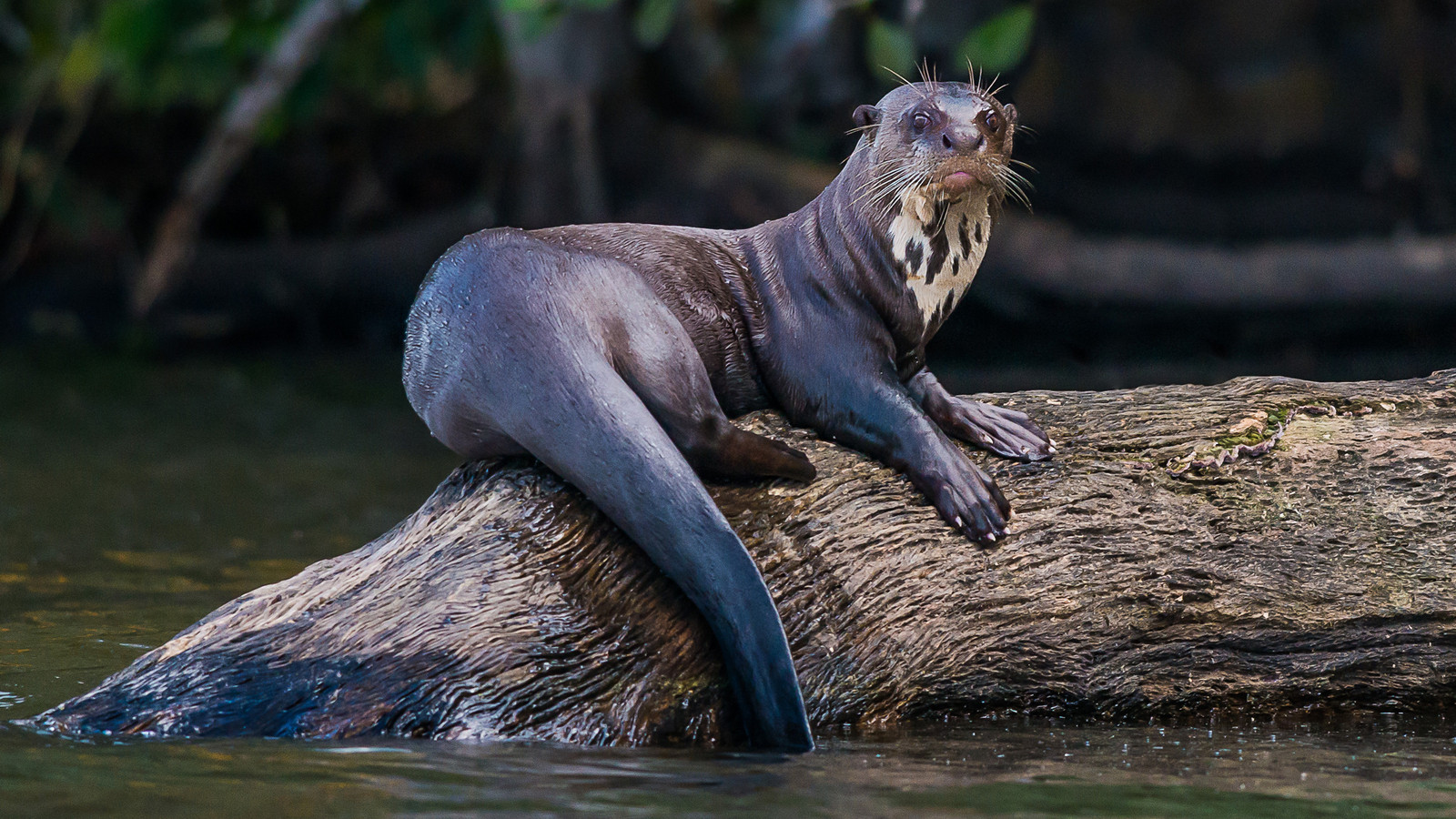
Long-bodied dark brown mammal with a thick tapered tail, short legs, webbed feet, small ears, and a broad whiskered muzzle. Wet fur appears nearly black.