
Rough Earthsnake
Virginia striatula
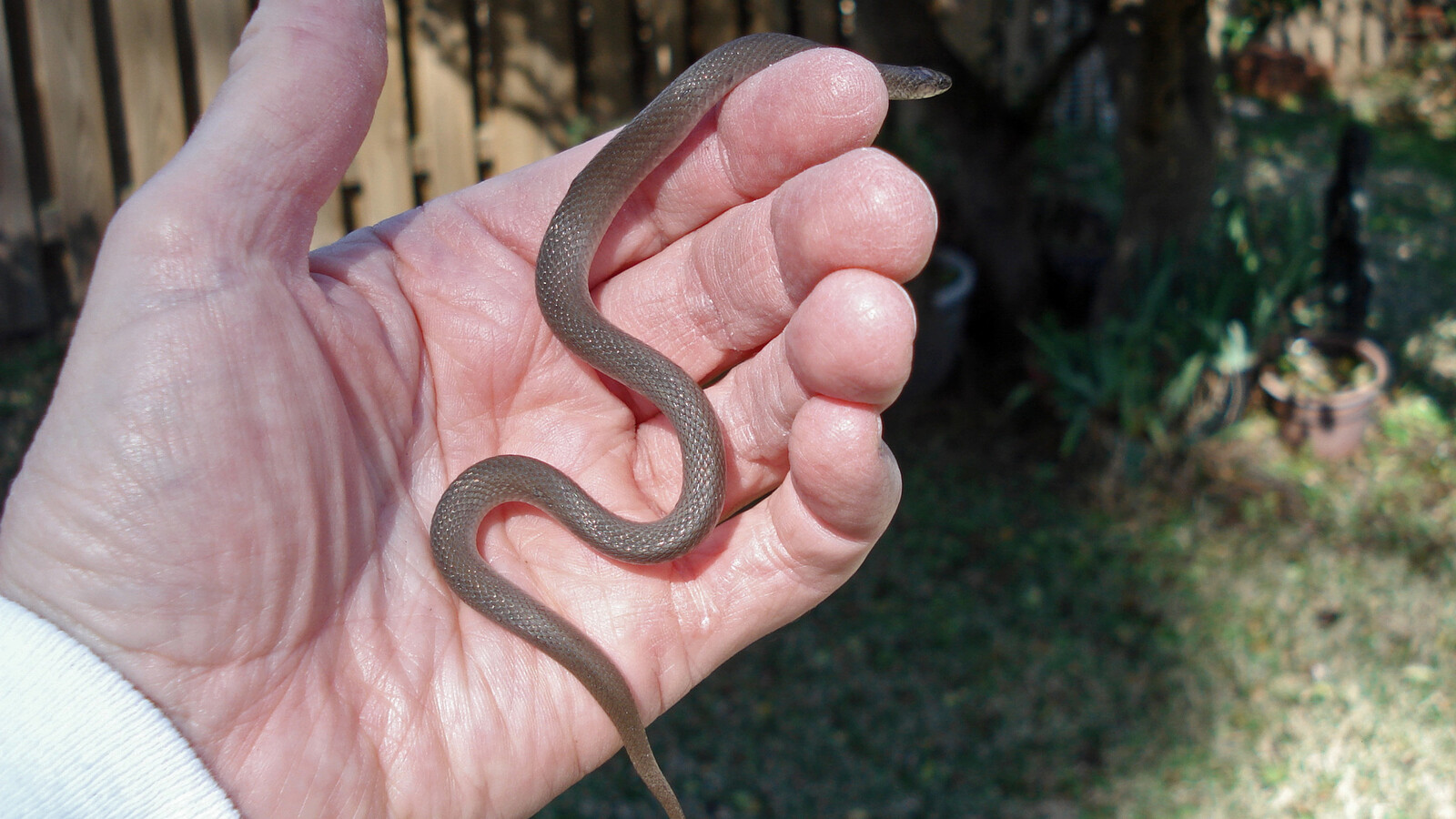
The Rough Earthsnake is a small, harmless, soil-dwelling snake of northern Florida forests and shaded residential landscapes.
The Rough Earthsnake is a secretive native snake that spends much of its life beneath leaf litter, logs, mulch, and loose soil. Its slim body and muted brown or gray color help it disappear into the forest floor.
In Florida, it is associated mainly with the Panhandle and northern part of the state. It is nonvenomous, rarely bites, and plays a quiet role in the ground-level food web.
Habitat:
Forests and Woodlands, Urban and Residential Areas
Area / Range:
Florida Panhandle, North Florida
Diet:
Feeds mostly on earthworms. It may also take slugs, snails, and other small soft-bodied invertebrates found in moist soil and leaf litter.
Behavior:
Mostly fossorial and highly secretive. It hides beneath natural cover and may surface during mild, damp weather or after rain. When disturbed, it usually tries to escape and may release musk. Females give birth to live young.
Day, Night
Active Times:
Best time to see:
After rain or during mild, humid weather beneath natural cover in northern Florida
Florida Native Status:
Native
Conservation Status:
Not federally or state listed. Local populations can be affected by loss of moist ground cover, soil compaction, heavy pesticide use, and removal of logs and leaf litter.
Safety Level:
Low Risk
Safety Information:
Nonvenomous and harmless to people and pets. Do not handle it unnecessarily. If found indoors, guide it into a container and release it nearby in shaded cover.
Benefits to Property:
Consumes small soil-dwelling invertebrates and contributes to a healthy woodland food web. Its presence can indicate shaded ground habitat with useful leaf litter and natural cover.
Property Concerns:
It causes no structural or landscape damage. Homeowners may mistake it for a young venomous snake, but the Rough Earthsnake is harmless. Avoid striking snakes hidden in mulch or leaves.
Fun Fact:
The Rough Earthsnake was long placed in the genus Haldea. Its current accepted name is Virginia striatula. Females give birth to live young rather than laying eggs.
Wildlife Laws:
This species is not specifically listed as threatened or endangered in Florida. General Florida wildlife rules and all park, preserve, and public-land collection rules still apply. Observe in place and never collect wildlife from protected land without authorization.
Identification:
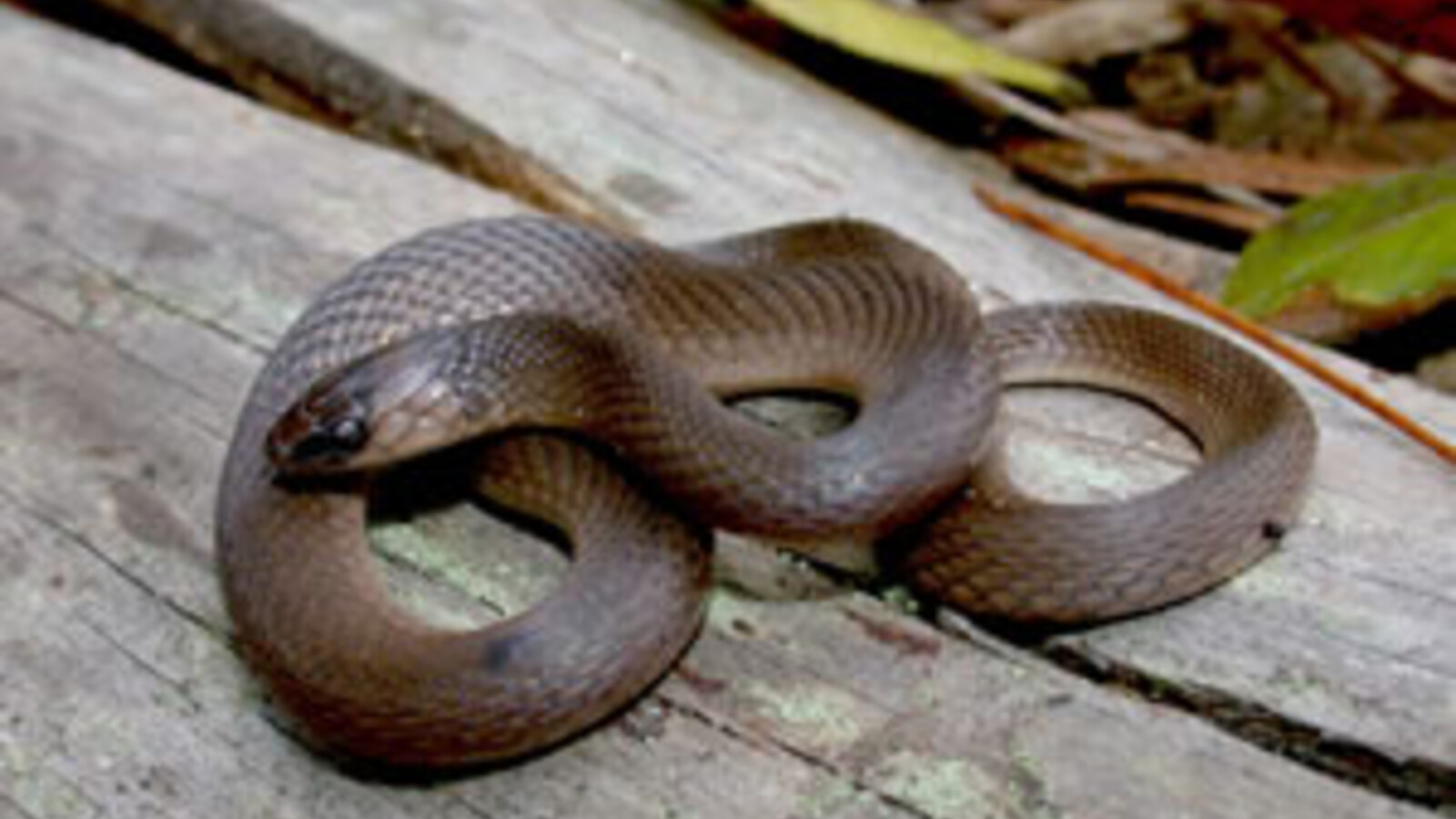
Adults are usually 7 to 10 inches long. The back is plain gray, brown, or reddish brown with weakly keeled scales, while the belly is pale cream or yellowish. The head is small, the snout is pointed, and there is usually little contrast between the head and neck. Young snakes may show a faint light collar.
Unlike DeKay's Brownsnake, it usually lacks rows of dark spots. The related Smooth Earthsnake has smooth rather than keeled dorsal scales.