
Short-Tailed Snake
Lampropeltis extenuata
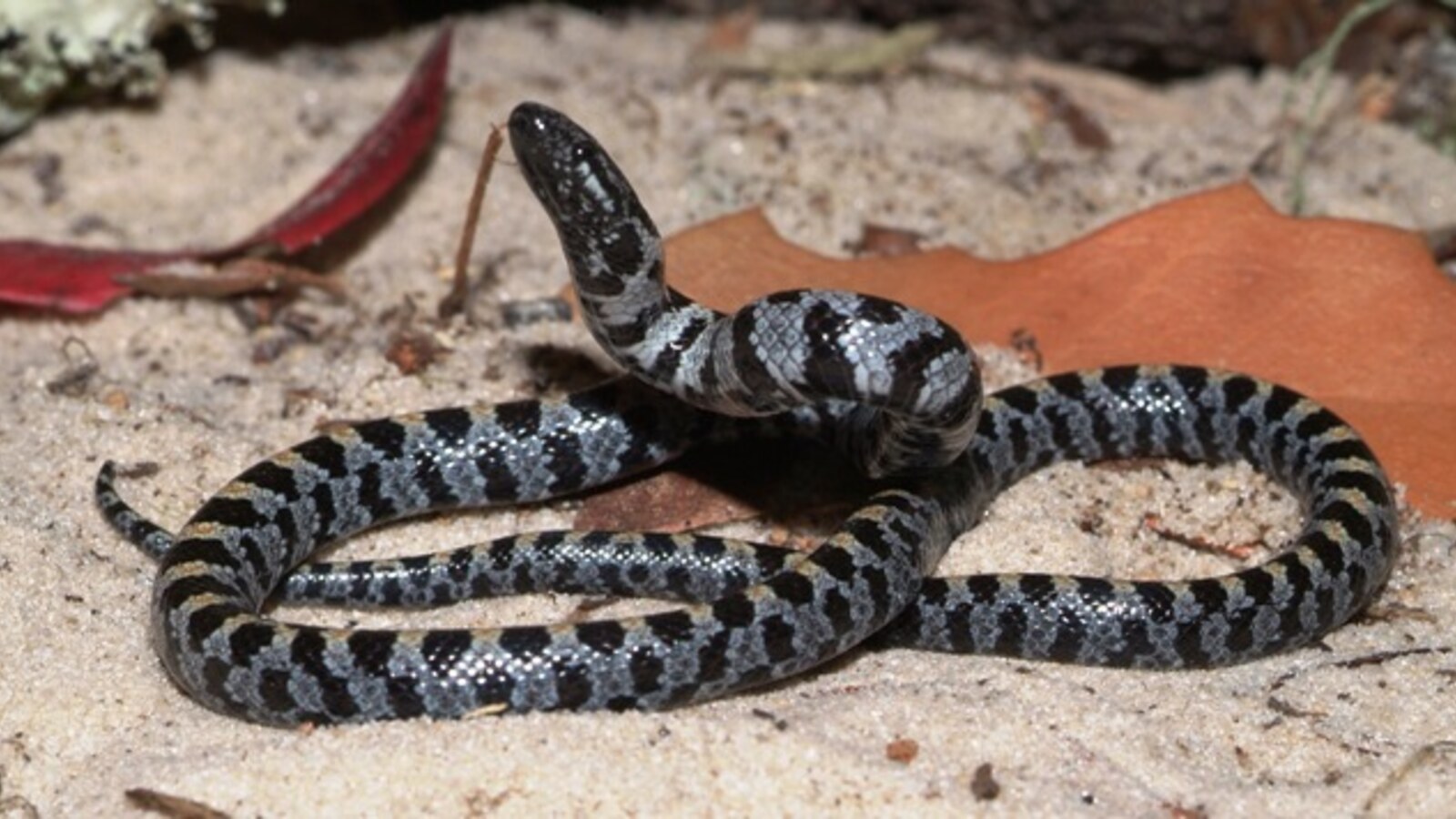
The Short-Tailed Snake is a small, harmless Florida endemic that spends most of its life beneath sandy soil and leaf litter.
This secretive snake occurs only in peninsular Florida, mainly in well-drained sandhill, scrub, and pine habitats.
Its narrow range and dependence on loose sandy soil make habitat protection especially important.
Habitat:
Pine Flatwoods and Sandhills, Scrub and Dry Prairie, Forests and Woodlands
Area / Range:
Central Florida
Diet:
Primarily small snakes, especially Florida crowned snakes and similar burrowing species.
Behavior:
Fossorial and rarely seen. It moves through loose soil and leaf litter and usually emerges after heavy rain or soil disturbance.
Night, Dusk
Active Times:
Best time to see:
Warm, wet evenings in intact sandy uplands. Never dig or disturb habitat to search for one.
Florida Native Status:
Native
Conservation Status:
Florida-endemic and state-designated Threatened because of habitat loss and fragmentation.
Safety Level:
Low Risk
Safety Information:
Nonvenomous and harmless to people and pets. Photograph it in place and allow it to move away.
Benefits to Property:
It supports native food webs and helps regulate populations of other small snakes.
Property Concerns:
No property damage. Grading, deep tilling, and heavy pesticide use in sandy uplands destroy shelter and prey.
Fun Fact:
This species was once placed in its own genus, Stilosoma, before genetic work linked it with kingsnakes.
Wildlife Laws:
Florida protects this state-designated Threatened species. Do not capture, harm, possess, sell, or relocate it without authorization.
Identification:
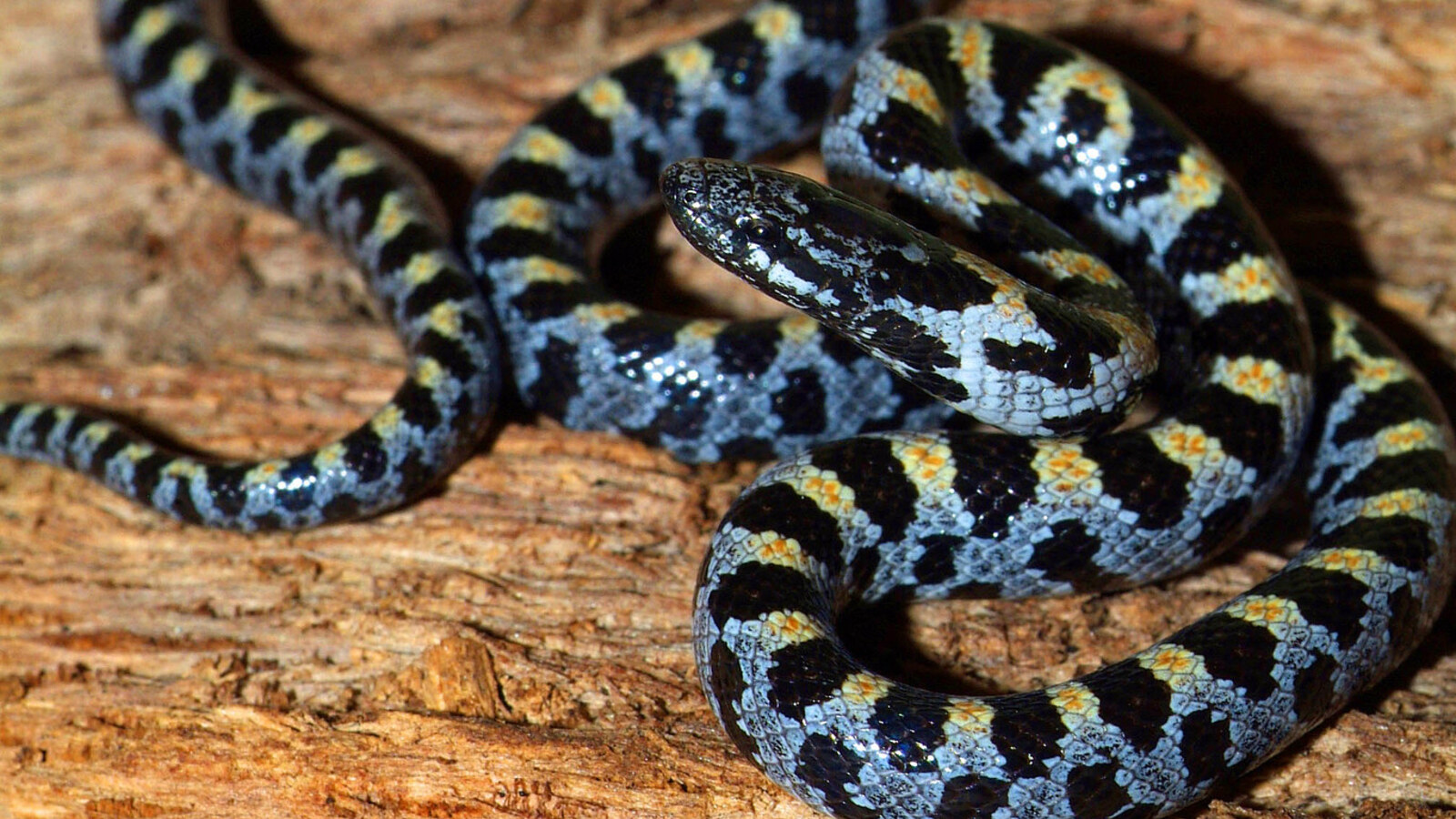
A slender snake with gray, brown, or black dorsal blotches separated by reddish-orange areas. The underside is pale with darker markings, and the tail is noticeably short.
Credits:
Identification: Florida Museum. Facts and photos: iNaturalist.