
Sora
Porzana carolina
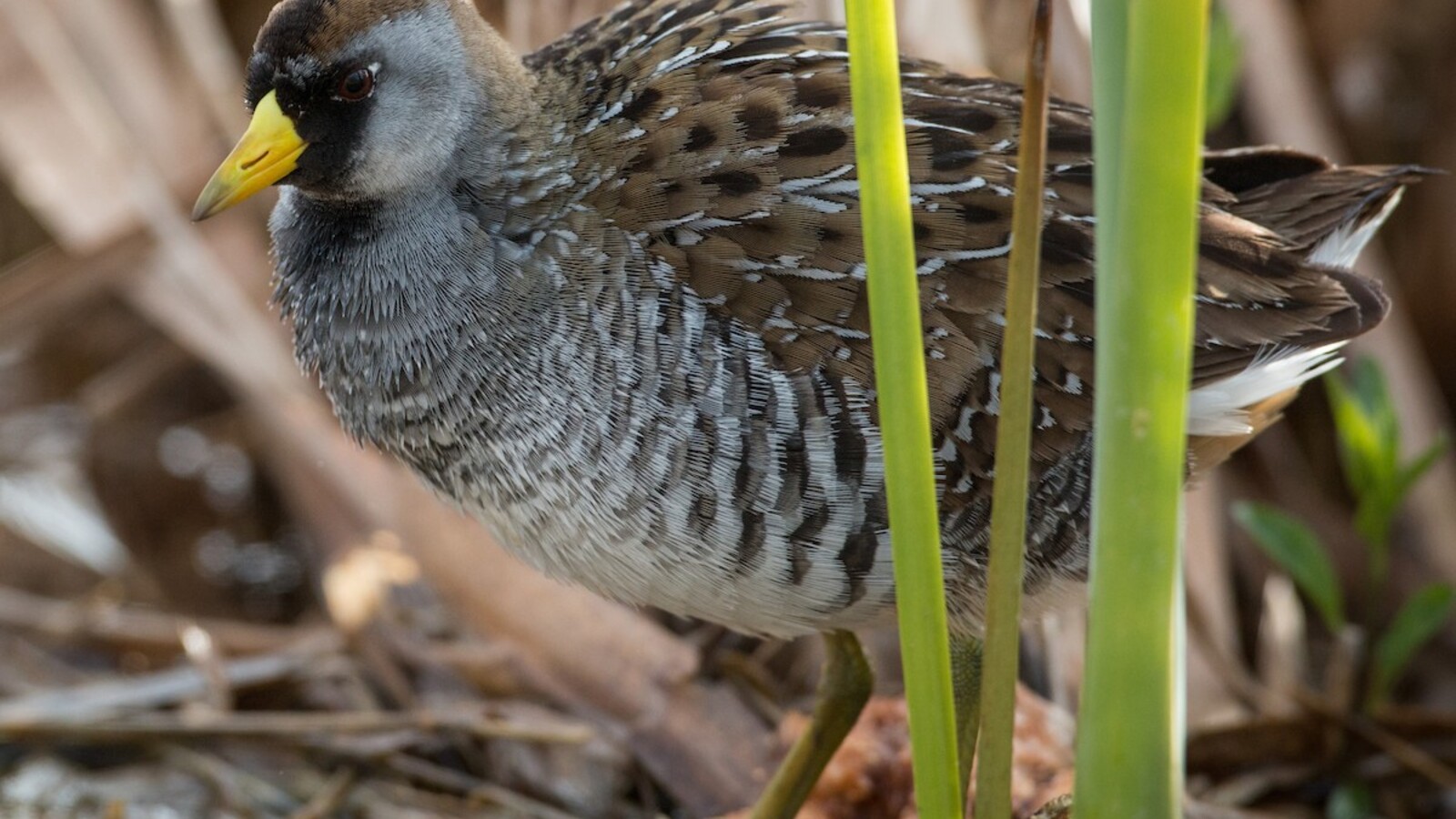
The Sora is a small, secretive rail that slips through Florida marshes and often reveals itself by voice before sight.
Soras occupy shallow freshwater marshes, wet fields, pond margins, and vegetated ditches during migration and winter.
They remain concealed in dense plants, where a descending whinny often gives away their presence.
Habitat:
Freshwater Wetlands, Lakes and Ponds, Canals and Ditches
Area / Range:
Statewide
Diet:
Seeds, aquatic plants, insects, snails, small crustaceans, and other wetland invertebrates.
Behavior:
Soras walk across mud and floating vegetation, probe soft ground, and migrate mainly at night.
Dawn, Dusk, Night
Active Times:
Best time to see:
Cool-season mornings and evenings along marsh edges with exposed mud or openings in dense vegetation.
Florida Native Status:
Native
Conservation Status:
Widespread but dependent on healthy shallow marsh habitat.
Safety Level:
Low Risk
Safety Information:
Soras pose no danger. Keep people and pets out of dense marsh cover where birds rest.
Benefits to Property:
Their presence signals productive wetland habitat, and they consume insects and move seeds.
Property Concerns:
No direct damage. Mowing or clearing marsh edges removes shelter and food.
Fun Fact:
A Sora compresses its body and moves through reed gaps so well that it often remains unseen at close range.
Wildlife Laws:
Protected by the Migratory Bird Treaty Act. Rail hunting requires licenses and compliance with current seasons, limits, and approved methods.
Identification:
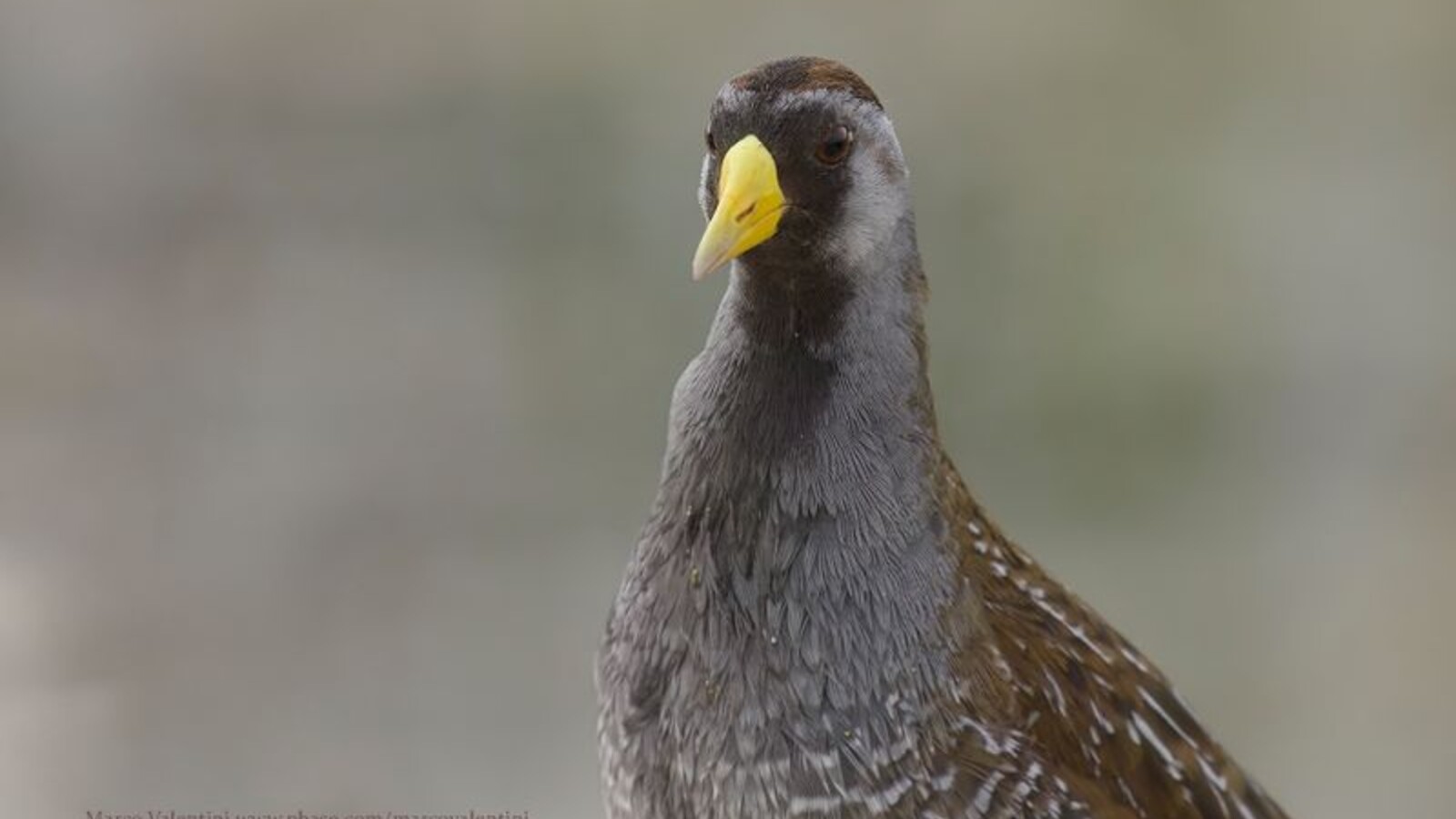
Adults have a short yellow bill, gray face, brown patterned back, black facial mask, and white barring on the flanks.
Credits:
Facts: Cornell Lab. Images: marsh view and portrait.