
Southern Short-Tailed Shrew
Blarina carolinensis
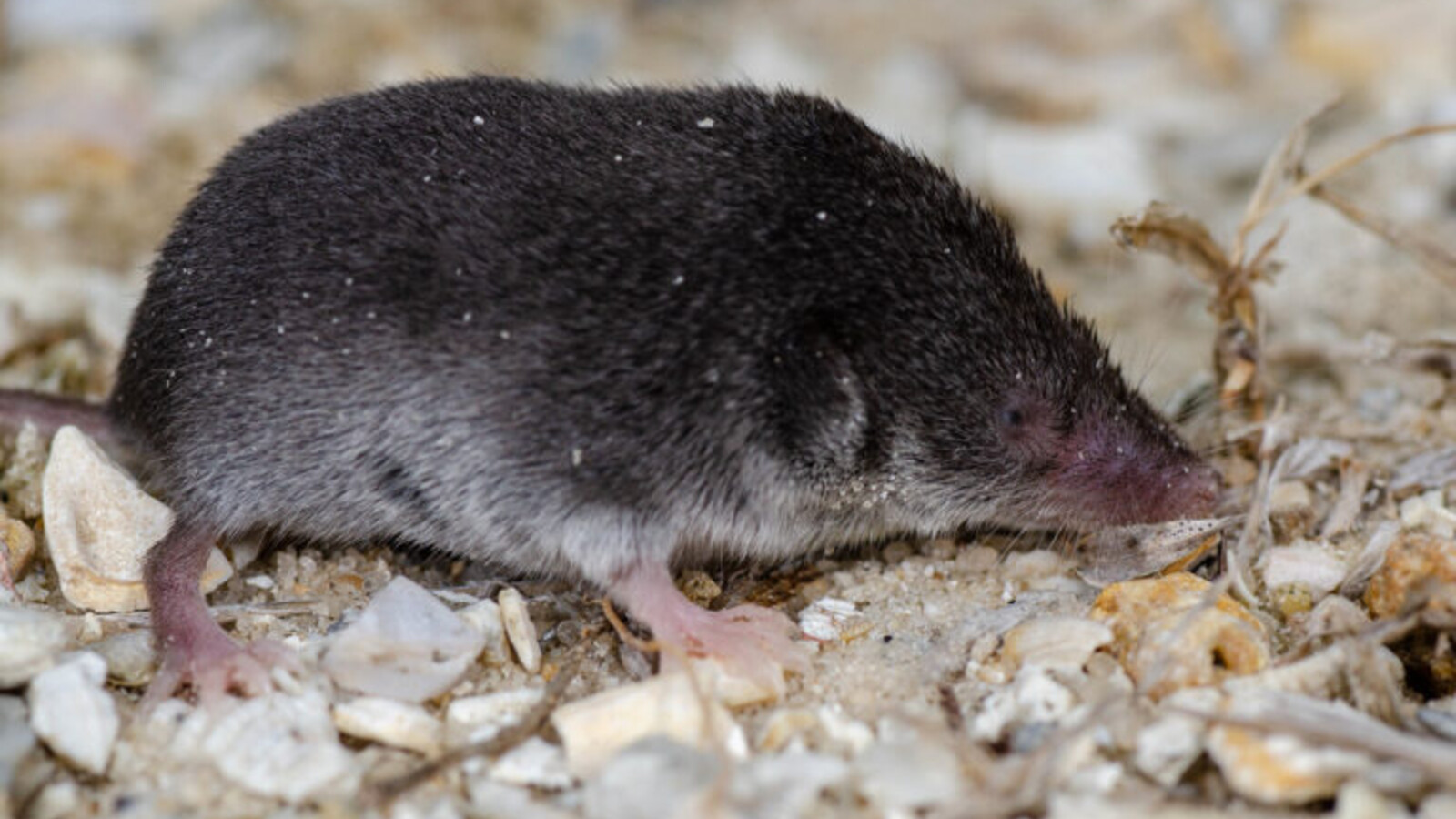
The Southern Short-Tailed Shrew is a tiny predator that hunts insects and other small prey beneath Florida leaf litter.
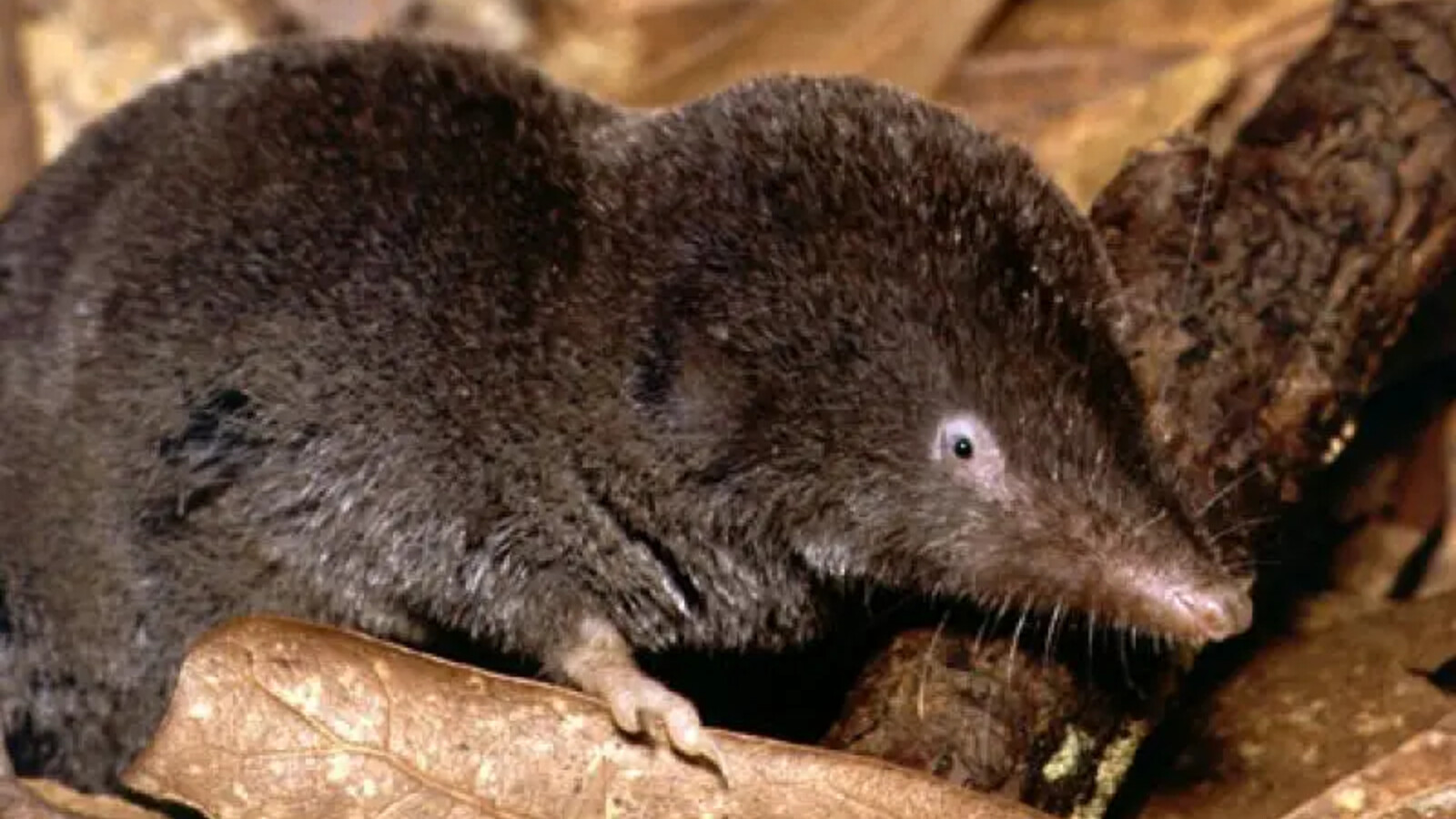
These shrews live in moist woods, field edges, wetland margins, and deep ground cover.
Their high metabolism demands frequent feeding, and they spend much of life beneath leaves, logs, mulch, and shallow tunnels.
Habitat:
Forests and Woodlands, Freshwater Wetlands, Grasslands and Agricultural Areas
Area / Range:
Florida Panhandle, North Florida, Central Florida
Diet:
Insects, earthworms, snails, spiders, centipedes, and occasional small vertebrates or seeds.
Behavior:
Shrews tunnel through litter and loose soil, forage day and night, and use scent and touch more than vision.
Day, Night
Active Times:
Best time to see:
After rain beneath logs, deep leaves, or mulch, though sightings are brief.
Florida Native Status:
Native
Conservation Status:
Widespread and generally secure in suitable moist ground cover.
Safety Level:
Low Risk
Safety Information:
Do not handle a shrew. A frightened animal might bite.
Benefits to Property:
They consume insects, slugs, and other invertebrates in woodland edges and shaded beds.
Property Concerns:
They rarely damage structures or plants. Indoor entry reflects gaps at ground level.
Fun Fact:
Short-tailed shrews use high-frequency clicks while exploring dark tunnels.
Wildlife Laws:
Use humane exclusion and follow pesticide labels. Never place outdoor poison where native wildlife or predators face exposure.
Identification:
A compact gray-brown body, pointed snout, tiny concealed ears, small eyes, and a tail much shorter than the body.
Credits:
Facts: Animal Diversity Web. Images: profile and leaf litter.