
Spanish Mackerel
Scomberomorus maculatus
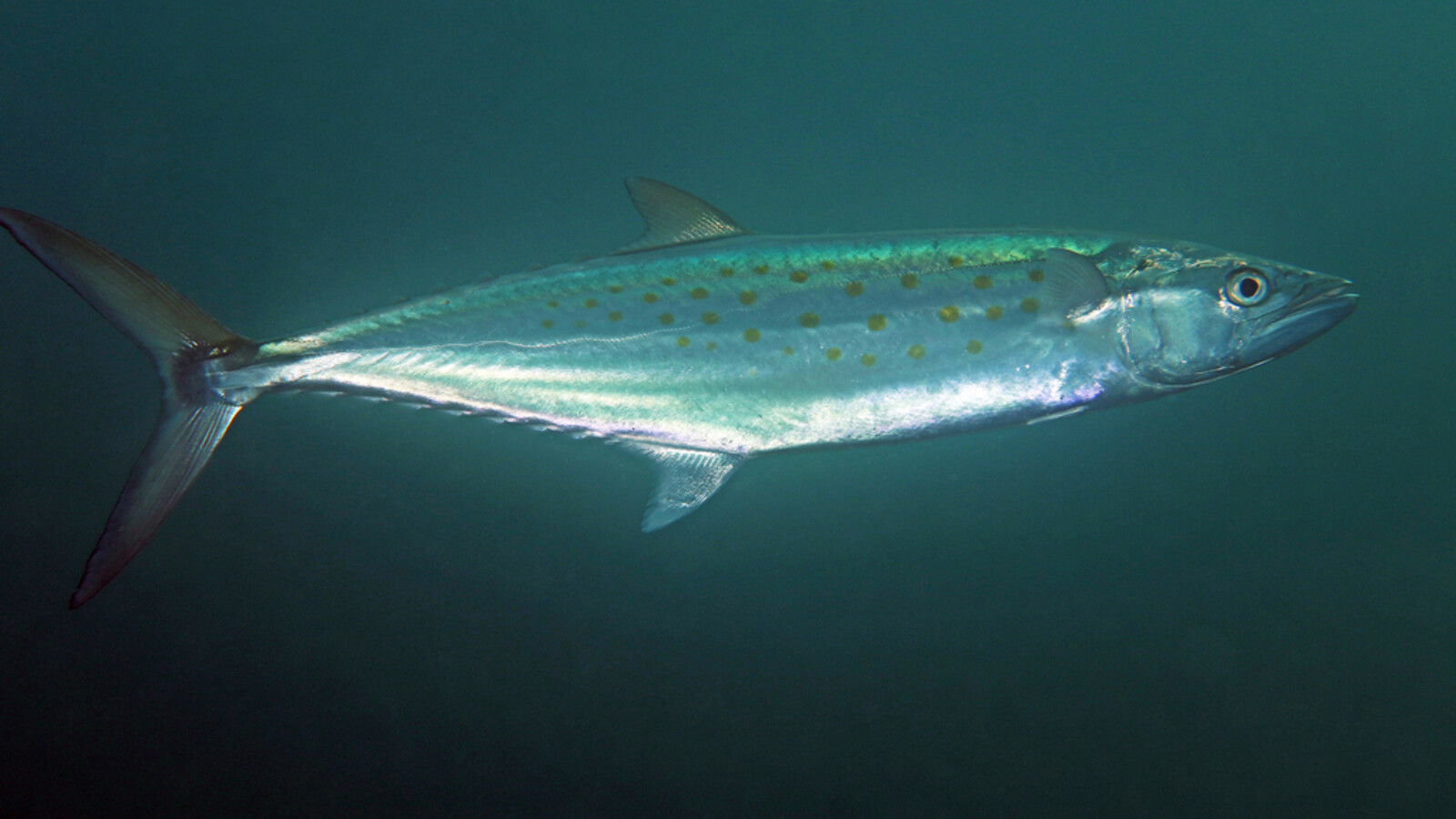
Spanish Mackerel are fast coastal fish recognized by yellow side spots, sharp teeth, and explosive feeding around bait schools.
Spanish Mackerel travel Florida’s Atlantic and Gulf coasts in schools near beaches, passes, reefs, and bay mouths.
Their movements follow water temperature and concentrations of small baitfish.
Habitat:
Coastal Waters, Estuaries and Bays
Area / Range:
Atlantic Coast, Gulf Coast
Diet:
Anchovies, sardines, menhaden, mullet, squid, and shrimp.
Behavior:
Schools chase bait near the surface and migrate along the coast.
Day, Dawn, Dusk
Active Times:
Best time to see:
Warm-season bait runs near beaches, piers, passes, reefs, and bay entrances.
Florida Native Status:
Native
Conservation Status:
Actively managed fishery monitored through federal and state programs.
Safety Level:
Moderate Risk
Safety Information:
Use pliers and keep fingers clear of sharp teeth. Ice harvested fish promptly.
Benefits to Property:
This species supports charter fishing, pier fishing, seafood businesses, and the coastal economy.
Property Concerns:
Lost line and lures injure wildlife, while polluted runoff reduces baitfish habitat.
Fun Fact:
Schools use speed and coordinated movement to drive baitfish toward the surface.
Wildlife Laws:
Florida saltwater licenses, minimum size, bag limits, seasons, and gear rules apply. Review current FWC and federal rules.
Identification:
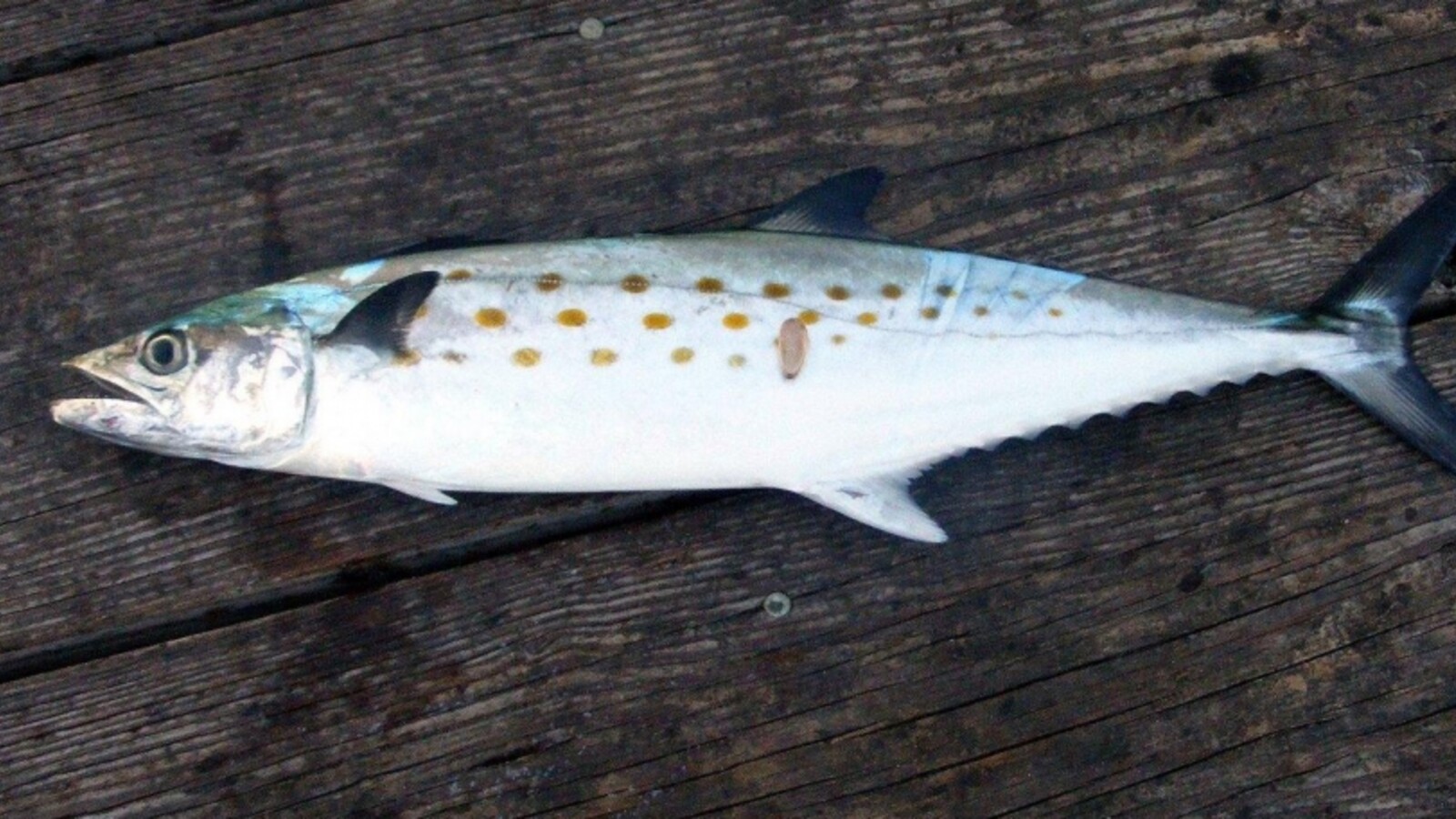
A long silver fish with a greenish back, rows of yellow spots, pointed snout, dark front dorsal fin, and deeply forked tail.
Credits:
Facts: FWC. Images: swimming and identification.