
Wood Stork
Mycteria americana
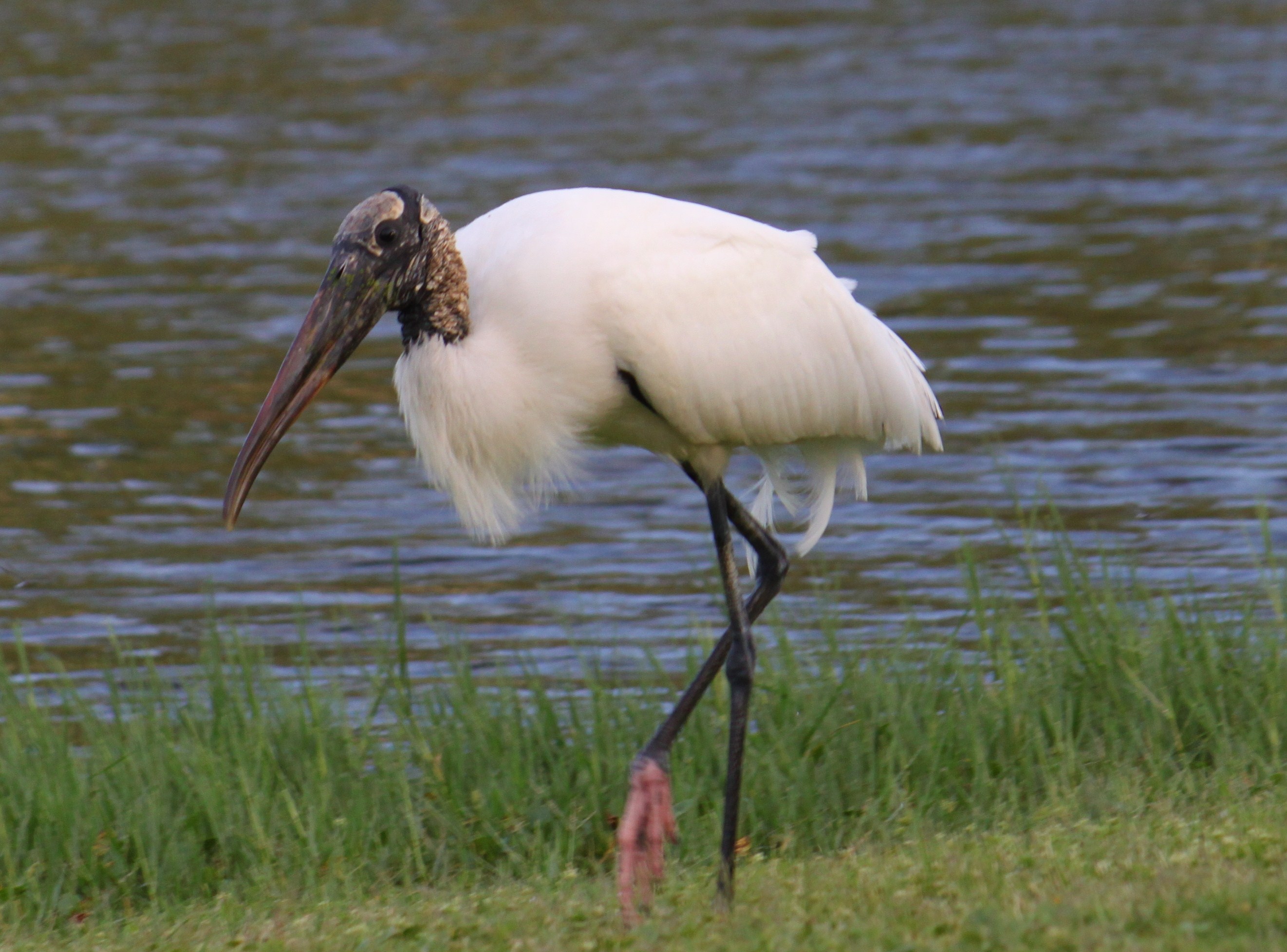
A Wood Stork closes its bill in a fraction of a second when it touches prey.
A Wood Stork closes its bill in a fraction of a second when it touches prey. Stay away from nesting colonies and feeding groups. Keep pets controlled and remove fishing line from wetlands. Protected under the Endangered Species Act and Migratory Bird Treaty Act. Active nests and birds must not be disturbed.
Habitat:
Freshwater Wetlands, Lakes and Ponds, Mangroves and Salt Marshes
Area / Range:
Central Florida, South Florida, Atlantic Coast, Gulf Coast
Diet:
Fish, crayfish, frogs, insects, and small aquatic animals.
Behavior:
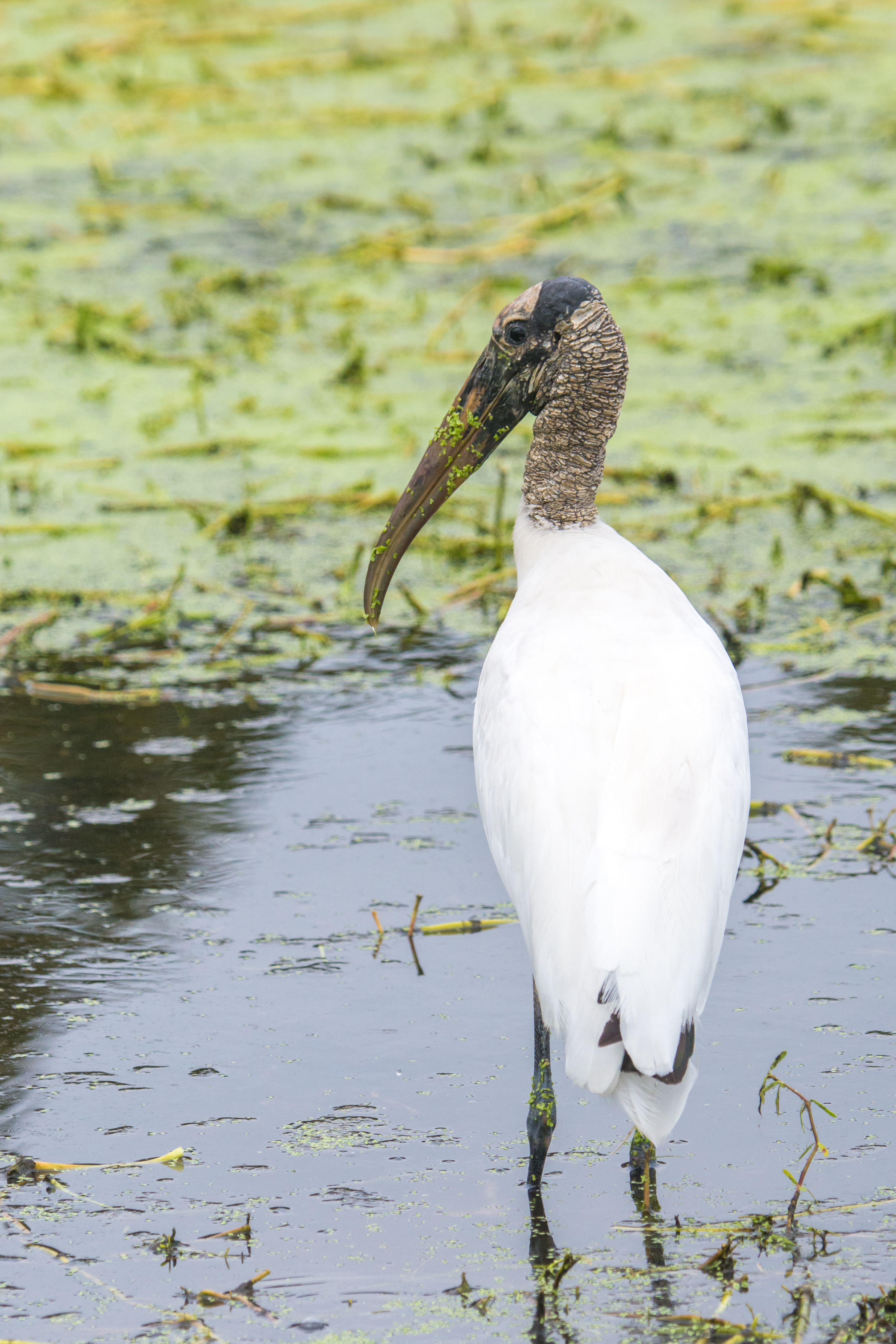
Feeds by touch, sweeping an open bill through shallow water and snapping it shut when prey makes contact.
Day
Active Times:
Best time to see:
Observe from a respectful distance in suitable Florida habitat.
Florida Native Status:
Native
Conservation Status:
Federally threatened
Safety Level:
Protected. Keep Distance
Safety Information:
Stay away from nesting colonies and feeding groups. Keep pets controlled and remove fishing line from wetlands.
Benefits to Property:
Helps regulate shallow-water fish and aquatic animal populations.
Property Concerns:
Wetland drainage, altered water levels, fishing line, and disturbance near colonies cause harm.
Fun Fact:
A Wood Stork closes its bill in a fraction of a second when it touches prey.
Wildlife Laws:
Protected under the Endangered Species Act and Migratory Bird Treaty Act. Active nests and birds must not be disturbed.
Identification:
Large white wading bird with black flight feathers, long dark legs, and a bare gray-black head.
Credits:
Facts: wildlife reference. Images: Wikimedia Commons.