

12 Best Driveway Landscaping Ideas for Tampa Homes
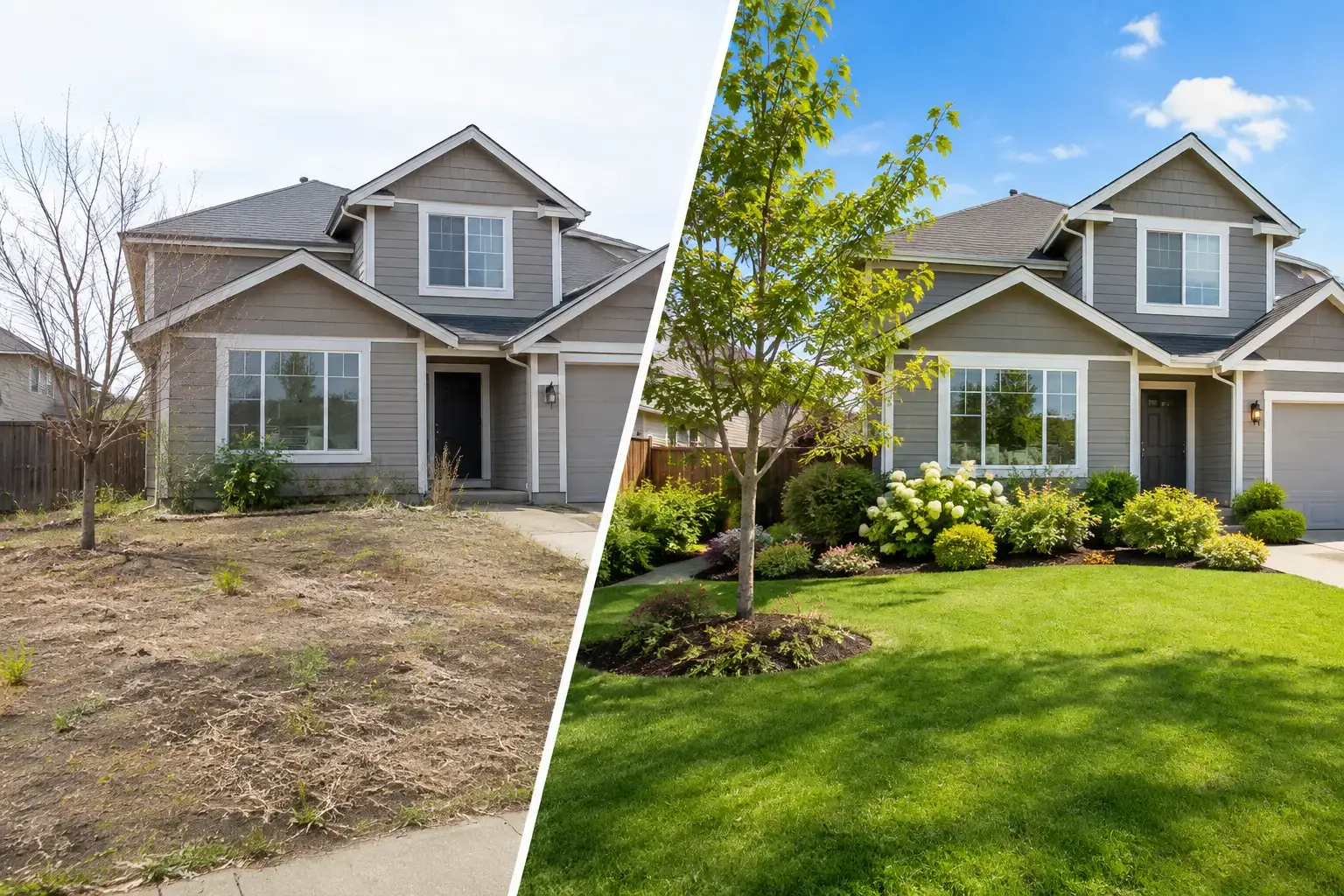
A driveway occupies more visual real estate than most homeowners realize. It frames the arrival, directs the eye toward the home, and can either reinforce architectural quality or make an otherwise polished property feel unfinished. The best driveway landscaping ideas do more than add plants along concrete. They create a controlled transition between street, driveway, entry, and home.
For homes in South Tampa, Davis Islands, and Hyde Park, the right design must also perform through heat, heavy rain, intense sun, irrigation cycles, and frequent visibility from the street. A clean, layered plan will always outperform a crowded collection of plants.
Start With the Driveway’s Shape and Function
A landscape should support the way the driveway is used, not compete with it. Before choosing a single plant, assess the width of the drive, turning areas, guest parking, garage placement, drainage paths, and sightlines when pulling into the street. A tight front drive needs a restrained planting plan. A circular drive or long approach has room for stronger structure and repetition.
The most successful installations establish a hierarchy. Larger palms, canopy trees, or architectural specimen plants create the upper layer. Mid-height shrubs define edges and soften hardscape. Groundcovers, ornamental grasses, and low border plants finish the composition without spilling into tires, walkways, or lawn areas.
Avoid planting too close to the pavement simply to make the drive look fuller on installation day. Mature spacing matters. Overgrown hedges, roots pushing against hardscape, and branches blocking vehicle access turn a premium landscape into a maintenance problem.
Best Driveway Landscaping Ideas That Create Presence
1. Build a layered entry planting bed
Deep, intentional planting beds along the front portion of a driveway give the property immediate dimension. Rather than a single row of shrubs, combine a few strong anchor plants with lower texture and seasonal color. This approach works especially well where a driveway runs beside the front lawn and needs visual weight.
For a modern Florida palette, consider clumping palms, podocarpus, green island ficus, coontie, ornamental grasses, bromeliads, and low flowering accents. The exact mix depends on sun exposure and the home’s architecture, but the principle remains the same: use repeated forms and disciplined color rather than variety for its own sake.
2. Use a specimen plant at the driveway entrance
A driveway entrance is a natural focal point. One carefully selected feature can do more than dozens of small plants scattered across the front yard. A mature palm grouping, sculptural agave installation, clipped podocarpus column, or well-positioned flowering tree gives the arrival sequence a clear identity.
This is not the place for a plant that will obscure street visibility or crowd the drive at maturity. The best specimen is proportionate to the home, set back from vehicle paths, and supported by simpler surrounding material.
3. Frame a long drive with repetition
Longer driveways can look disjointed when every section has a different plant combination. Repetition solves that. Matching palm groupings, evenly spaced hedge sections, or recurring bands of ornamental grass create rhythm and make the property feel more composed.
Repetition does not mean monotony. A consistent backbone can be softened with seasonal annuals at key points or subtle variations in foliage texture. The objective is to make the drive feel designed from beginning to end, not installed in phases over several years.
4. Add low walls or raised planters where grade allows
A low stucco, stone, or concrete planter can give a flat driveway elevation far more presence. It also provides a clean boundary between planting and pavement, which helps preserve crisp edges over time. Raised planters are especially useful near driveway turns, mailboxes, and front entry approaches where a standard mulch bed may disappear visually.
Material selection should align with the home. Contemporary homes often benefit from smooth finishes and linear forms. Traditional properties may call for warmer stone, brick, or more formal planting geometry. The finish is only as good as the detailing, including cap alignment, drainage, and transitions into adjacent hardscape.
5. Treat drainage as part of the landscape design
South Tampa rain can expose weak planning quickly. A beautiful bed that traps runoff, washes mulch onto the driveway, or leaves standing water near the garage is not a finished solution. Grade planting beds away from structures, use appropriate drainage where necessary, and select materials that can withstand heavy rainfall.
River rock bands, dry creek-style details, and properly integrated drains can be attractive when they serve a real purpose. They should not be added as decoration alone. Drainage features look premium when they are quiet, proportional, and built into the overall plan.
Use Lighting to Make the Driveway Work After Dark
Driveway landscaping is not complete when the sun goes down. Quality landscape lighting improves safety, defines edges, and gives mature plantings a more dramatic presence at night. The key is restraint. A property should feel intentionally illuminated, not lit like a commercial parking lot.
Low path lights can guide guests near walkways and entry turns. Uplighting adds depth to palms, specimen trees, and textured walls. Downlighting from established canopy trees can create a softer, more natural effect across lawn and drive surfaces. Fixtures should be positioned to avoid glare into the home, the street, or a driver’s line of sight.
Lighting also needs a maintenance plan. Misaligned fixtures, exposed wiring, and failing bulbs undermine the very standard the system was meant to create. Professional installation and regular adjustment are worth the investment on a visible front-of-home feature.
Choose Plants for Performance, Not Just Installation-Day Color
Tropical color has a place in a Tampa landscape, but a driveway bed cannot depend on high-maintenance material alone. Plants beside hardscape face reflected heat, compacted soil, irrigation overspray, and occasional vehicle exposure. The best selections are attractive through multiple seasons and respond well to disciplined pruning.
Evergreen structure should carry the design. Flowering plants and colorful foliage can then be used as accents, not the entire composition. This balance keeps the property looking refined between seasonal refreshes and reduces the tendency for beds to become visually chaotic.
Mulch selection matters, too. A consistent dark mulch can sharpen plant color and give beds a finished appearance, while decorative stone may better suit a modern, low-water design. Both require edge control and periodic cleanup. There is no premium result without ongoing attention.
Keep Corners, Sightlines, and Access Clear
Driveway corners are one of the easiest places to overplant. Tall shrubs at a street exit can limit visibility, while sprawling plants at a garage turn can be damaged by tires and doors. Keep low plant material near critical sightlines and reserve taller forms for areas where they will not interfere with vehicles or pedestrians.
Mailbox zones deserve the same discipline. They should look intentional, but they must remain accessible for delivery, maintenance, and visibility. A compact planting scheme with durable edging is usually more effective than a dense bed that grows into the box.
If the home has a gate, side-yard drive, or service access, plan for equipment movement and regular use. Landscape work should make a property easier to manage, not create obstacles for the people responsible for maintaining it.
Design for Maintenance From the Beginning
The strongest driveway landscape is not the one that looks best immediately after installation. It is the one that still looks controlled six, twelve, and twenty-four months later. That requires realistic plant spacing, irrigation coverage, mulch management, pruning standards, and a clear plan for seasonal color.
This is where low-cost, piecemeal work often falls short. A crew may install attractive material without considering how it will mature or what it will require to remain sharp. Premium properties need a design that accounts for both the finished project and the level of care that follows it.
Ecoscape Outdoor Services approaches visible landscape improvements with that long-term standard in mind. The objective is not to fill a bed quickly. It is to create a driveway approach that looks deliberate, performs in Florida conditions, and reflects the quality expected of the home.
A well-designed driveway landscape changes the first impression before anyone reaches the front door. Choose fewer, better elements, install them with proper spacing and drainage, and maintain every edge with consistency. That is how a driveway becomes part of the property’s architecture rather than an afterthought.


Comments