
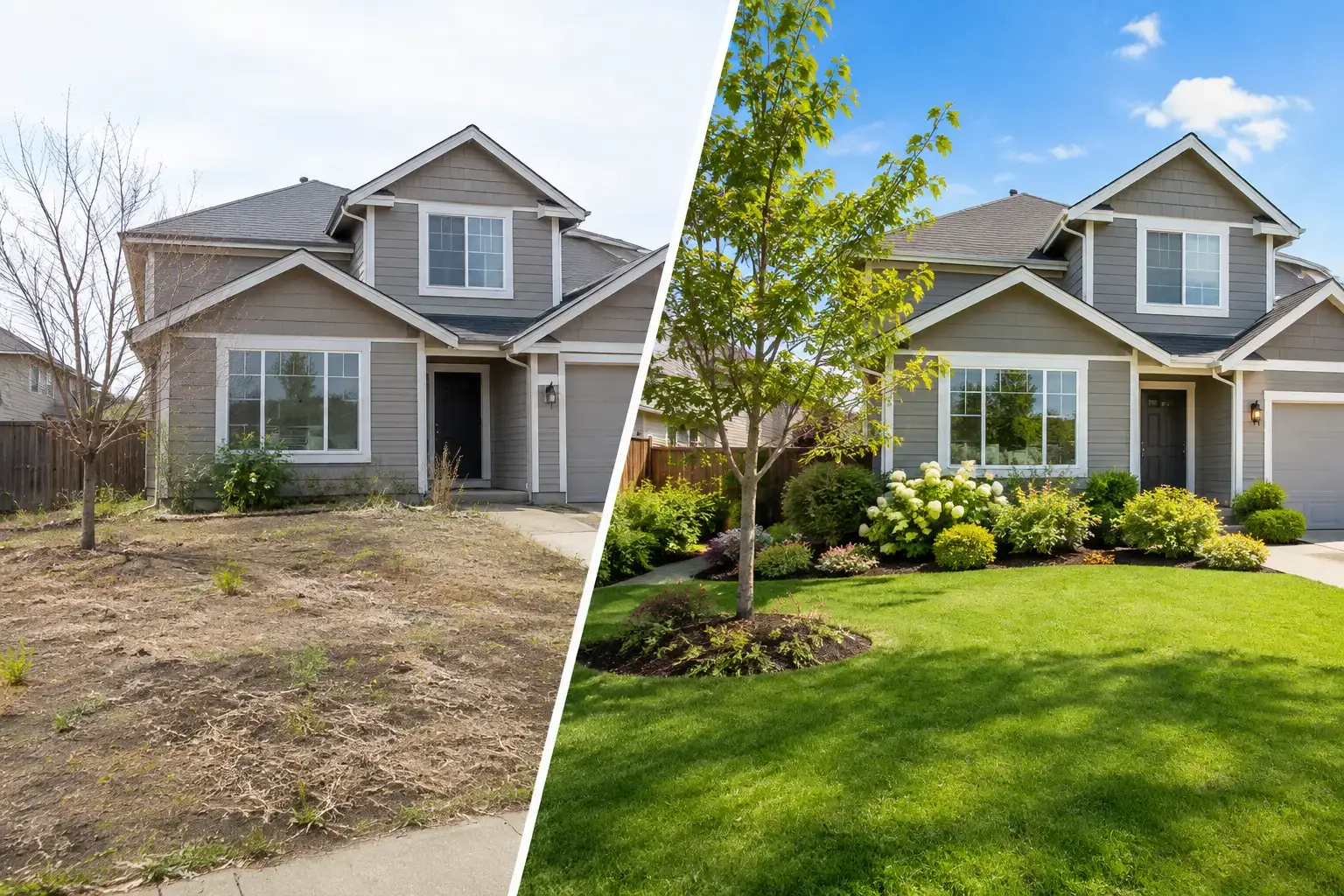
Before After Landscaping That Changes a Property
A front walk can be technically clean, the lawn can be freshly cut, and the property can still feel unfinished. That is the difference a strong before after landscaping comparison reveals. The real transformation is not a few new plants placed near the entry. It is a property that looks composed, performs properly in Florida weather, and continues to reflect the standards of the home behind it.
For South Tampa, Davis Island, and Hyde Park homeowners, landscaping has to do more than photograph well on installation day. It needs to handle heat, intense rain, humidity, salt air in certain locations, and the pace of a polished residential neighborhood. The best results come from disciplined planning, exact installation, and consistent care after the project is complete.
What Before After Landscaping Should Actually Show
A meaningful landscape transformation should show more than a dramatic color difference. It should solve visible and functional problems that made the original exterior feel dated, sparse, overgrown, or difficult to maintain.
In the "before," common issues often include inconsistent bed lines, undersized plant material, exposed irrigation heads, compacted or thinning turf, poor drainage near the home, and lighting that does little beyond the porch fixture. These details can make even a well-built home appear neglected. They also create more work for the homeowner, particularly when the landscape has no clear structure.
In the "after," the property should feel intentional from the street to the backyard. The lawn has defined edges. Planting beds frame the home without hiding its architecture. Layered material creates depth rather than visual clutter. Walkways, driveways, gates, and outdoor living areas are connected by clean transitions. At night, the lighting reveals the property with restraint instead of flooding it with glare.
The visual change matters, but the performance change matters just as much. Water should move away from structures. Plants should have room to mature. Access for maintenance should be considered before material is installed. A polished property is not one that requires constant rescue work. It is one designed to stay composed.
Start With the Property, Not a Plant List
The quickest way to produce mediocre results is to begin with a list of plants someone likes. A premium landscape project starts with the home, the lot, and the way the owner uses the space.
A modern South Tampa residence may benefit from cleaner geometry, restrained plant groupings, palms or structural specimens, and a strong relationship between hardscape and architecture. A more traditional Hyde Park property may call for softer layers, formal symmetry, and planting that respects the character of the home. Neither approach is automatically better. The right choice depends on the architecture, sun exposure, existing trees, drainage patterns, privacy needs, and level of ongoing care expected.
The first questions should be practical. Where does water collect after a summer storm? Which views should be opened, and which should be screened? Does the front entry feel visible and welcoming after dark? Is the backyard meant for quiet use, entertaining, children, pets, or all of the above? These decisions shape the landscape long before the first plant arrives.
Structure Comes Before Decoration
The strongest transformations establish a hierarchy. Large elements come first: trees, palms, hedges, pathways, turf areas, privacy screens, and architectural planting beds. Smaller details then support that structure through accent plants, color, containers, stone, mulch, and lighting.
Without this order, a yard can become a collection of expensive materials with no clear point of view. Too many varieties, overly busy bed lines, and random focal points often create a landscape that feels less refined over time. Restraint is usually the more premium choice.
A front elevation does not need every available flowering plant to create impact. It needs proportion, healthy material, sharp edges, and a design that complements the home. In a backyard, the same principle applies. A clean lawn panel, well-placed screening, and thoughtful lighting can be more effective than an overcrowded garden.
The Details That Create a Lasting Transformation
Before-and-after photos tend to emphasize plantings because they are immediately visible. Yet the details beneath and around those plantings determine whether the project still looks exceptional a year later.
Drainage and Grading
Florida rain exposes weak planning quickly. Standing water in turf, washed-out mulch, saturated beds, and erosion near hardscape are not minor inconveniences. They affect plant health, property appearance, and in some cases the long-term condition of the home.
Grading and drainage should be addressed early, not treated as an afterthought once the landscape is already installed. The correct solution varies by property. It may involve reshaping areas for positive flow, improving catch points, adjusting irrigation, or selecting planting approaches that can tolerate the site. There is no responsible one-size-fits-all answer, especially on established properties with mature trees, tight side yards, or limited drainage routes.
Irrigation That Supports the Design
A beautiful installation can decline quickly with uneven watering. Irrigation must account for differences between turf, hedges, palms, seasonal color, and newly installed material. One schedule rarely serves every zone well.
Proper coverage is not about running water longer. Overwatering can be as damaging as underwatering, particularly in humid conditions where fungal pressure is already high. A well-managed system delivers water where it is needed, avoids waste, and is reviewed as plant material matures. That attention protects both the landscape and the investment behind it.
Lighting With Purpose
Outdoor lighting is where a property often shifts from attractive to exceptional. It brings depth to the front elevation, improves circulation around paths and entries, and extends the usefulness of outdoor spaces after sunset.
The goal is not to light every square foot. Quality landscape lighting creates focal points and visual rhythm. It may highlight a specimen palm, cast a soft wash across textured architecture, define a walk, or give a patio enough ambient illumination for a relaxed evening outside. Fixtures should disappear into the landscape during the day and perform quietly at night.
For homeowners building a complete outdoor environment, audio can also be considered as part of the overall experience. It should be planned with the same discretion as lighting: clear coverage, appropriate placement, and no visible clutter competing with the landscape.
Why Maintenance Determines the Real After
Installation day is not the finish line. It is the beginning of the landscape's most important phase: establishment and ongoing maintenance.
Fresh plant material needs monitoring. Turf needs precise mowing, edging, nutrition, and weed control. Bed lines need to remain sharp. Palms, shrubs, and hedges require pruning that respects their natural form rather than reducing everything to the same blunt shape. When maintenance is inconsistent, even a well-designed property gradually loses its definition.
This is why low-cost maintenance and high-end landscape work are often a poor match. A crew that rushes through service visits, skips details, or communicates only when there is a problem cannot protect a detail-driven installation. Premium properties need predictable scheduling, accountable workmanship, and a team that notices changes before they become visible failures.
Ecoscape Outdoor Services approaches this standard as a full-service relationship, from project planning through installation and ongoing property care. That continuity matters. The people maintaining the property should understand the original intent, the material selections, and the level of finish expected by the homeowner.
Common Mistakes That Weaken the After
Not every dramatic reveal is a durable success. The most common mistakes are often made in the interest of immediate impact or a lower initial price.
Overplanting is one example. Newly installed material can look sparse when properly spaced, so it is tempting to crowd beds for instant fullness. Within a few growing seasons, plants compete for light and air, require excessive pruning, and lose their individual form. A better plan accounts for mature size while using thoughtful grouping to create a finished appearance from day one.
Ignoring maintenance access is another issue. If crews cannot edge cleanly, reach irrigation components, prune behind plantings, or service lighting without damaging beds, the landscape will become harder and more costly to maintain. A refined design considers how the property will be cared for, not only how it will be photographed.
Finally, avoid treating the entire exterior as a single project with a single priority. The front yard may need curb appeal and entry definition, while the backyard may need privacy, shade, drainage improvements, or outdoor entertaining features. A phased plan can be the right decision when it preserves design consistency and allows each area to be completed properly.
Set a Standard Worth Maintaining
The most compelling before-and-after result is not the one with the most material added. It is the one where every improvement looks like it belongs: the lawn, the planting, the drainage, the lighting, and the maintenance behind it.
If your exterior no longer matches the level of your home, begin by identifying what is actually holding it back. A clear plan, quality execution, and dependable care will do more for the property than another quick cleanup ever will.


Comments