
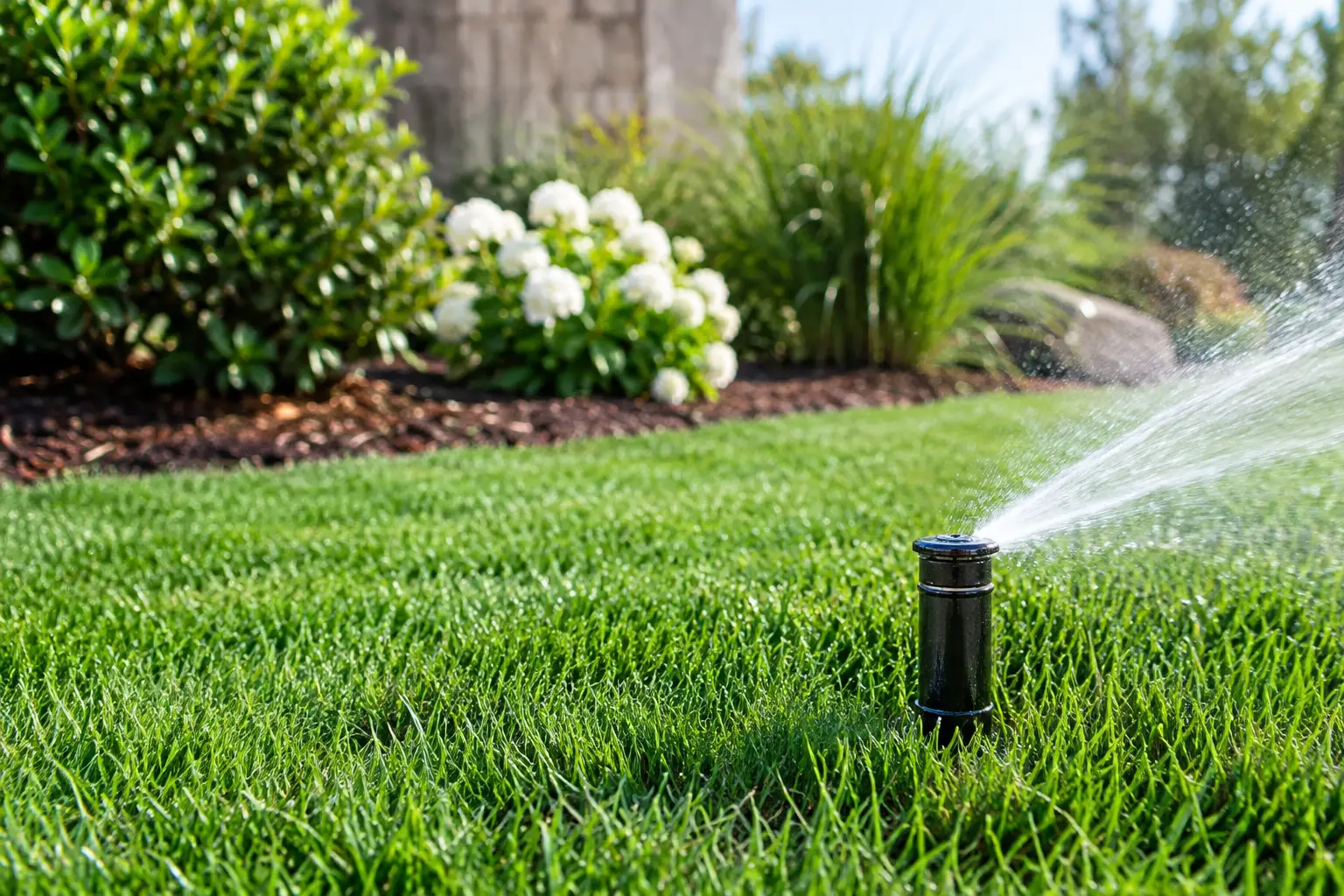
Best Irrigation Upgrades for Lawns That Last
A lawn can receive plenty of water and still look uneven, stressed, or thin. That is usually not a watering-frequency problem. It is a coverage, pressure, drainage, or control problem. The best irrigation upgrades for lawns correct those underlying issues so every zone performs with more precision, less waste, and far less guesswork.
For refined properties in South Tampa, irrigation should protect the landscape investment rather than create recurring problems. Overspray on hardscape, soggy turf near foundations, dry strips along curbs, and broken heads are not small details. They are signs that the system needs a more disciplined approach.
Start With an Irrigation Performance Review
The right upgrade depends on what the existing system is doing now. Adding a smart controller to a system with poor spacing or weak pressure will not produce a premium result. Likewise, replacing a few sprinkler heads without addressing an oversized zone may only move the problem elsewhere.
A proper review looks at head-to-head coverage, operating pressure, nozzle type, spray patterns, controller programming, drainage, and the condition of valves and wiring. It should also account for how the property is used. A highly visible front lawn, a narrow side yard, shaded turf beneath mature trees, and planting beds each require different watering behavior.
This assessment is especially valuable on established homes where irrigation has been altered over time. A new bed may have been added to an existing turf zone. A pool project may have changed drainage. Hedges may now block water from reaching the lawn. Quality work begins with diagnosing the system, not selling a device.
Best Irrigation Upgrades for Lawns
Smart Controllers With Weather-Based Scheduling
A quality smart controller is one of the most useful upgrades for homeowners who want a system managed with greater accuracy. Unlike a fixed timer that waters the same amount each week, a weather-based controller can adjust schedules based on rainfall, temperature, seasonal demand, and local conditions.
The value is not simply watering less. It is watering appropriately. During a wet summer stretch, the controller can reduce unnecessary cycles. During a dry period, it can maintain a schedule that supports turf health without asking the homeowner to constantly reprogram the system.
Smart control is most effective when the system has been properly mapped and each zone is programmed for its actual plant material. A lawn zone should not be managed like a bed of ornamental shrubs. Convenience is useful, but correct setup is what makes the upgrade perform.
High-Efficiency Nozzles and Matched Precipitation Rates
Standard spray nozzles often apply water too quickly, particularly on slopes, compacted soil, or small lawn areas. The result is runoff before water reaches the root zone. High-efficiency rotary nozzles and matched-precipitation components distribute water more slowly and evenly, allowing the soil time to absorb it.
This is a meaningful improvement for lawns with dry pockets and areas that appear overwatered at the same time. When adjacent heads apply substantially different amounts of water, no controller setting will fully solve the imbalance. Matched precipitation rates help each area receive a more consistent application.
There is a trade-off. These nozzles may require longer run times because they apply water at a lower rate. That is not a flaw. It is often the reason they work better. The schedule simply needs to be calibrated correctly, especially when converting only part of a zone.
Pressure Regulation at the Head or Zone
Too much pressure creates misting, uneven distribution, and water carried off target by wind. Too little pressure leaves heads short of their intended reach. Both conditions compromise the lawn and make a property look poorly maintained.
Pressure-regulated sprinkler bodies or dedicated zone regulation can bring operating pressure into the range the nozzles were designed to use. This upgrade improves spray performance while reducing water wasted on sidewalks, driveways, walls, and windows.
Pressure correction is not always a simple part swap. A system may have pressure loss caused by undersized piping, aging valves, restricted filters, or too many heads operating on one zone. A skilled irrigation professional identifies the source before prescribing the solution.
Separate Zones for Turf, Beds, and Difficult Areas
Mixed zones are one of the most common reasons a landscape never looks fully balanced. Turf typically needs a different schedule than established shrubs, seasonal color, container plantings, and groundcover. When everything shares one zone, something is almost always getting too much or too little water.
Separating plant material into appropriate zones gives the system the control it needs. Lawn areas can receive deeper, less frequent watering. Landscape beds can receive schedules based on their soil, exposure, and plant requirements. A narrow strip of turf near pavement can be managed independently instead of being forced into the same cycle as the main lawn.
This is a more involved upgrade, and it is not necessary for every property. But for landscapes that have evolved through renovations or additions, zone separation can be the difference between a system that merely runs and one that genuinely supports the design.
Rain Sensors and Flow Monitoring
A rain sensor is a practical safeguard. It prevents irrigation from running during or shortly after measurable rainfall, reducing the familiar sight of sprinklers operating in a storm. In Florida's rainy season, that protection is not optional for a well-managed system.
Flow monitoring adds another layer of oversight. Depending on the equipment and installation, it can help detect unusual water use that may indicate a broken line, damaged head, or valve issue. That can be particularly useful for homeowners who travel frequently or prefer to manage their property without constant manual checks.
Not every system needs advanced flow monitoring. On a smaller, straightforward property, a rain sensor and regular inspections may provide excellent value. On larger or more complex landscapes, monitoring can protect against expensive water loss and unnoticed damage.
Drip Irrigation for Beds and Containers
Spray heads are rarely the best choice for dense planting beds, foundation plantings, or containers. They can wet foliage, encourage runoff, and send water onto adjacent surfaces. Drip irrigation applies water closer to the root zone, where ornamental plants can use it.
It also keeps the visual environment cleaner. Less overspray means fewer stained walls, wet windows, and puddled hardscape areas. For carefully composed beds, this detail matters.
Drip irrigation requires maintenance and thoughtful installation. Lines can be displaced during planting, emitters can clog, and mulch work must be performed carefully. It is not a set-it-and-forget-it feature. When included in a consistent property maintenance plan, however, it is a strong upgrade for high-value planting areas.
Do Not Overlook Drainage and Soil Conditions
Irrigation cannot correct a drainage problem. If water pools in the same location after rain or irrigation, the issue may involve grading, compaction, soil composition, or a blocked drainage path. Increasing watering to rescue stressed turf in that area can make the condition worse.
Similarly, new sod, mature turf, and shaded lawn do not have identical watering needs. Shade reduces evaporation, but tree roots can compete aggressively for moisture. Full-sun areas may dry faster. A professional schedule accounts for these differences rather than applying one setting across the entire property.
For premium lawns, irrigation and drainage should be considered together. The goal is not to keep the surface constantly wet. The goal is healthy root development, stable soil moisture, and clean, reliable performance through changing weather.
When an Upgrade Is Worth the Investment
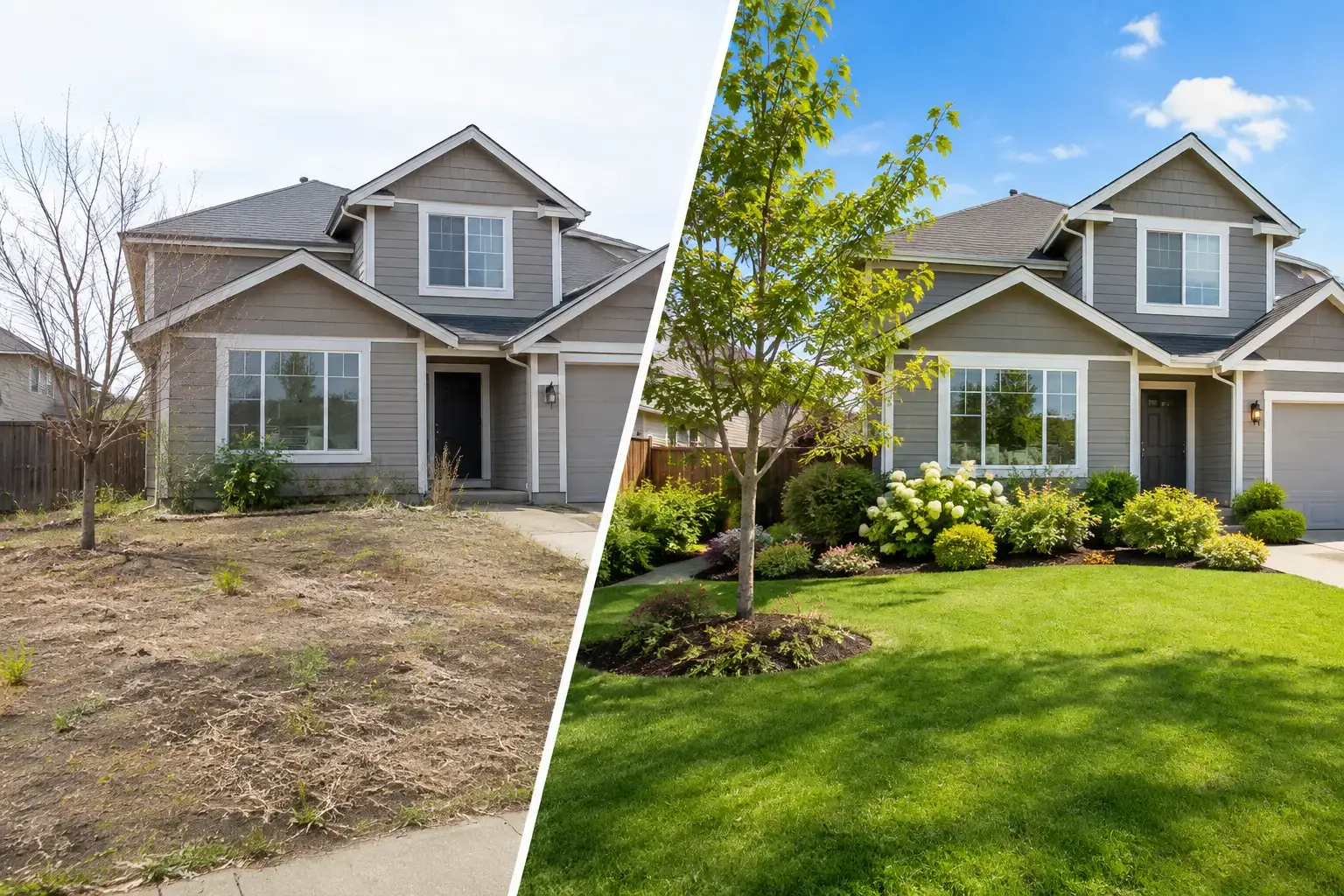
An irrigation upgrade is worth considering when crews repeatedly adjust heads, the lawn has persistent dry or soggy areas, water reaches hardscape, or seasonal programming becomes a constant chore. It is also a smart decision before installing new sod, renovating planting beds, or completing a major landscape improvement. Protecting a finished project with a dated, poorly performing system is false economy.
The best result is rarely the most equipment. It is a system designed around the property, maintained with care, and adjusted as the landscape matures. For homeowners who expect exceptional work without constant oversight, Ecoscape Outdoor Services can evaluate irrigation performance as part of a detail-driven approach to the entire outdoor environment.
A well-run irrigation system stays mostly out of sight. You notice it in even turf color, healthier planting beds, clean hardscape, and a property that continues to look composed long after the crew has left.


Comments