

Drainage Remediation Results That Protect Your Property
A drainage problem rarely announces itself with one dramatic failure. More often, it shows up as turf that stays soft days after a storm, mulch drifting into beds, standing water along a walk, or a low area that never quite recovers. The right drainage remediation results correct those visible symptoms while protecting the larger investment - your lawn, planting areas, hardscape, and home.
For South Tampa and Davis Island properties, drainage is not a cosmetic afterthought. Heavy rain can expose weak grading, undersized collection points, disconnected downspouts, and compacted soil quickly. A polished landscape should hold its form through wet weather, not require a cleanup crew after every major storm.
What Strong Drainage Remediation Results Look Like
The best result is not simply water disappearing from view. It is controlled movement of water away from areas where it can damage the property and toward an appropriate discharge point. That requires an assessment of how rain enters the site, where it concentrates, and what is preventing it from leaving efficiently.
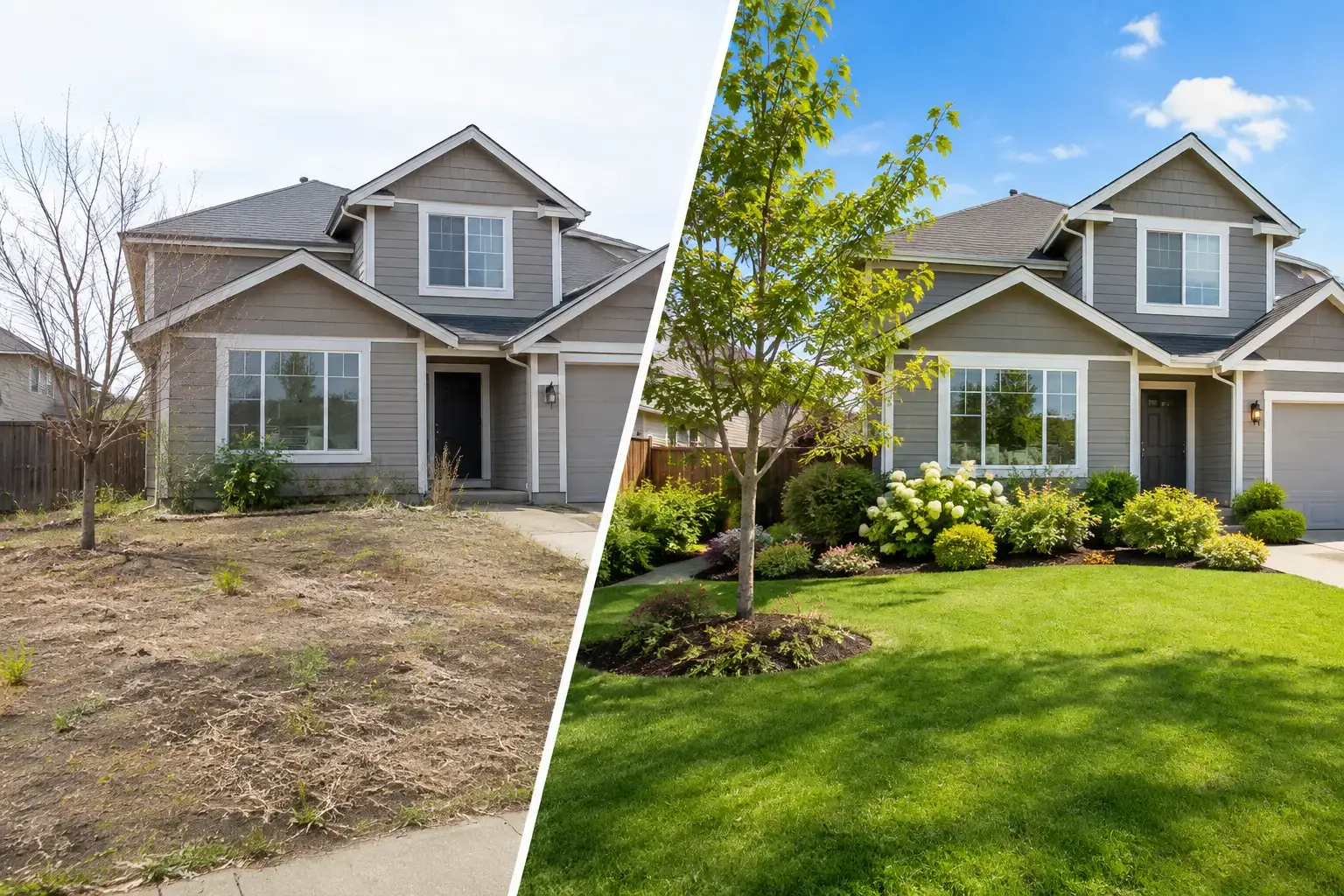
A properly remediated property drains with intention. Lawn areas dry within a reasonable period after rainfall. Water no longer pools beside foundations, patios, walkways, or equipment pads. Plant beds retain their edges and mulch stays where it belongs. The site feels usable sooner, and the landscape looks maintained rather than beaten down by weather.
That standard matters because the symptoms are connected. Saturated turf weakens under foot traffic and can thin out over time. Excess moisture around roots can stress ornamentals and create ideal conditions for disease. Repeated runoff can wash soil from beds, stain hardscape, and undermine pavers. Near the home, water that lingers against the foundation or enters through vulnerable openings deserves immediate attention.
The surface should look better, but the system must work below it
A new catch basin or freshly laid sod can make an area appear improved on day one. That is not enough. The real test comes with the next sustained rain event. Water must enter collection points without bypassing them, flow through properly installed pipe, and exit without creating a new problem somewhere else on the property.
This is why drainage work should not be treated as a one-product purchase. A basin, French drain, channel drain, swale, or downspout extension may be part of the answer, but none of those components performs well when installed without regard for elevation, soil conditions, runoff volume, or final outlet location.
On a premium residential property, finished appearance also matters. Drainage infrastructure should be placed thoughtfully, set to proper grade, and restored cleanly around turf, planting beds, stone, or pavers. Functional work does not need to look improvised.
The Results Depend on the Actual Cause
Not every wet area needs the same solution. In fact, applying the wrong solution is one of the fastest ways to spend money twice.
If roof runoff is overwhelming a planting bed, the solution may begin with improved downspout management and a subsurface conveyance route. If a lawn sits lower than surrounding surfaces, regrading or a designed swale may be more effective than adding pipe alone. If water collects at a patio edge, a linear channel drain may be the right detail. In a compacted turf area, drainage improvements may need to be paired with soil correction and lawn restoration to achieve a complete result.
The goal is not to install the most drainage hardware. It is to make the site perform better with a system suited to its constraints.
Older properties can present additional challenges. Mature trees, established hardscape, tight side yards, utility locations, and neighboring grades may limit where water can travel. Waterfront and urban properties may also have strict practical limits on discharge locations. A professional plan accounts for these realities before excavation begins, rather than discovering them after the lawn is opened.
Grading is often the difference between adequate and exceptional
Water follows elevation. That sounds obvious, but many drainage failures begin with minor grade inconsistencies that are easy to overlook from ground level. A shallow depression near a walkway, a bed edge that traps runoff, or a lawn pitched toward the home can compromise an otherwise attractive landscape.
Corrective grading reshapes the surface so water sheds naturally. It can be a highly effective solution, but it requires restraint and precision. Excessive grading can expose roots, create abrupt transitions, or leave a yard looking artificially built up. The best work changes the way water behaves without compromising the refined lines of the property.
For some homes, grading alone is sufficient. For others, it works best as part of a layered system that combines surface shaping with collection basins and underground drainage. The right answer depends on the volume and source of water, not a standard package.
How to Evaluate Your Drainage Results After Installation
Homeowners should expect a clear improvement, but not a promise that every square inch of the landscape will be instantly dry during an active downpour. During a major rain event, temporary surface water can be normal. What matters is whether it drains away as intended once the heaviest rainfall passes.
Evaluate the property after both a typical storm and a more substantial rain event. Look for recurring water near the foundation, erosion at discharge areas, basin grates that sit too high or too low, and runoff crossing walkways or driveways. Check whether mulch has shifted, whether turf remains saturated unusually long, and whether water is collecting at gates, patios, or low points.
There is also a visual standard. Restored sod should establish evenly. Bed lines should remain clean. Pavers or other hardscape disturbed during installation should be reset with care. Drainage work is disruptive by nature, but the finished landscape should not look like an excavation project that was merely covered over.
A responsible provider will explain what was installed, where the system discharges, and what maintenance the components require. Catch basins and grates can collect leaves, mulch, and debris. Keeping them clear helps preserve flow capacity, particularly before the rainy season.
When Drainage Work Should Be Paired With Landscape Restoration
Drainage remediation often creates an opportunity to correct more than water movement. If the affected lawn is thin, uneven, or poorly graded, restoring it after the drainage work can produce a far more complete transformation. The same is true for compromised bed edging, washed-out mulch, stressed plants, and deteriorated groundcover.
This is where quality makes the difference between a repair and a finished improvement. A shallow trench patched with mismatched sod may solve a technical issue while lowering the overall appearance of the property. A carefully managed project restores the landscape so the work feels intentional from every viewing angle.
For homeowners who maintain high standards, that distinction is significant. Your exterior should not reveal every repair that has taken place. It should look composed, clean, and ready to perform.
A Better Standard for Wet-Weather Performance
Drainage work should earn its place in the property by delivering measurable improvement: less standing water, healthier turf and plant material, cleaner hardscape, and greater confidence that rain is moving away from vulnerable areas. It should also respect the character of the home and the quality of the surrounding landscape.
Ecoscape Outdoor Services approaches drainage-related landscape improvements with the same expectation applied to every exterior detail: assess the conditions, execute with discipline, and leave the property looking finished. That approach is not designed for homeowners seeking the quickest visible patch. It is for properties where the result needs to hold up after the crew leaves.
If water is repeatedly finding the same low point, do not wait for another season of damaged turf and washed-out beds to make the issue obvious. A well-planned correction can protect the landscape you have and give the entire property a more controlled, dependable finish.


Comments