

Landscape Consultation Guide for Better Results
A landscape consultation should feel less like a sales visit and more like a disciplined review of how your property looks, functions, and will be maintained. This landscape consultation guide helps homeowners set the right standard before selecting materials, approving a quote, or committing to work that may shape the appearance of their home for years.
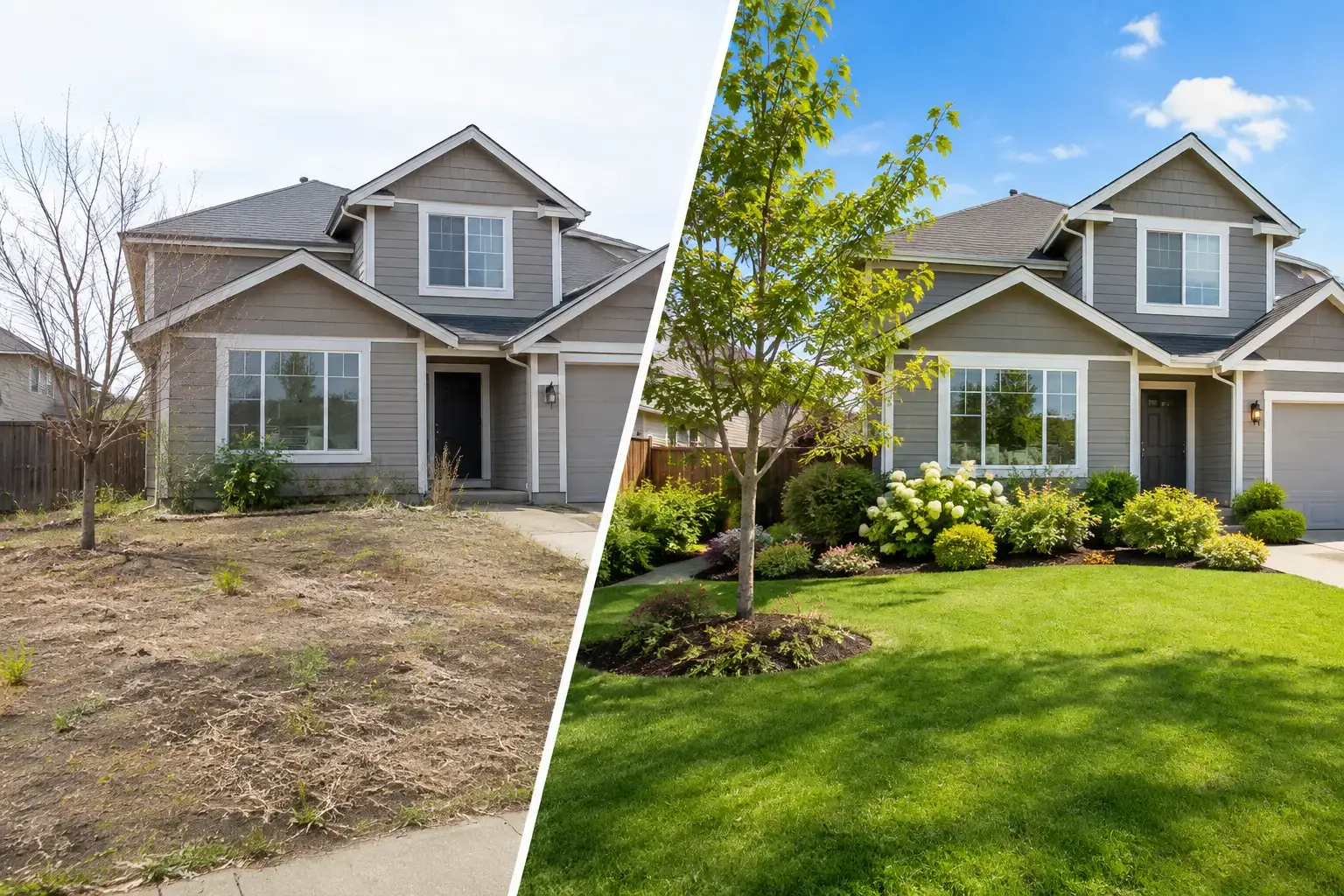
For South Tampa and Davis Island properties, the difference is rarely one dramatic feature. It is the accumulation of decisions: crisp edges, plant spacing that allows for mature growth, drainage that works during summer storms, lighting placed with restraint, and a maintenance plan that protects the finished result. A beautiful installation without those details is not a premium improvement. It is a short-lived first impression.
What a Landscape Consultation Should Accomplish
A proper consultation establishes whether the project is feasible, what it should cost to execute well, and which priorities matter most. It gives the contractor enough context to recommend a direction, while giving the homeowner a clear view of the trade-offs ahead.
The conversation should begin with the property itself, not a generic package. A front entry may need stronger curb appeal and a more intentional arrival sequence. A backyard may need privacy, shade, entertaining space, or better circulation around a pool. A side yard may primarily need drainage, screening, or a cleaner maintenance solution.
The goal is not to add everything at once. The goal is to decide what will make the property feel finished, perform reliably, and stay aligned with the standard of the home.
Start with the problems worth solving
Before the appointment, walk the property at the times you use it most. Notice where water collects after rain, where turf struggles, which views you would rather conceal, and where the landscape feels sparse or overgrown. Take note of practical frustrations as well: an awkward path to the gate, mulch that washes out, beds that require constant correction, or lighting that leaves the entry dark.
Be specific about what is not working. “We want it to look better” is a reasonable starting point, but it is not enough to guide a serious proposal. “The front beds look flat from the street, the walkway lacks lighting, and the rear patio needs screening from the neighboring windows” gives the consultation a useful direction.
Prepare for a Landscape Consultation With Clear Priorities
Good landscape work is a sequence of choices. If every element is treated as equally urgent, budgets become diluted and the finished project can feel scattered. Decide what deserves the greatest investment first.
For many homeowners, the right priority is the view from the street and the entry experience. For others, it is the outdoor area they use every weekend. Neither answer is wrong, but the consultant should understand how you live on the property before recommending the scope.
Bring a realistic budget range to the conversation. A qualified provider does not need a rigid number to begin, but a range helps them recommend the right scale, materials, and phasing. Without it, you risk receiving a concept that is either underbuilt for your expectations or inflated beyond what you intend to pursue.
It is also helpful to share your timeline. If you are hosting an event, planning a renovation, or listing the home, say so early. A quality contractor will not promise an artificial schedule simply to win the work. Lead times, weather, material availability, permitting requirements, and proper installation methods all affect completion dates.
Gather inspiration, but do not copy blindly
Photos can communicate preferences quickly. Save examples of planting styles, paver tones, lighting effects, water features, outdoor audio placement, or modern entry details that appeal to you. Then explain what you like about them. Is it the clean geometry, the low-profile plant palette, the privacy, or the evening atmosphere?
A photo taken in another climate, on a larger lot, or with a substantially different maintenance budget may not translate directly to your property. That does not make it useless. It simply means the best consultant will interpret the underlying idea rather than force a replica that performs poorly in Tampa conditions.
Questions That Separate a Strong Plan From a Generic Quote
A quote is not a landscape plan. It may contain the same general categories of work, but the quality of thought behind those categories can vary significantly. During the consultation, ask questions that reveal how the contractor approaches longevity, site conditions, and ongoing care.
Ask how the recommended plants will perform in the available sun exposure and how large they are expected to become. Ask whether irrigation coverage needs adjustment before new material is installed. Ask how drainage will be handled if the property has low areas, downspout discharge, or standing water after storms.
For hardscape work, ask what base preparation is included, how edges will be restrained, and how water will move away from structures. For landscape lighting, ask where fixtures will be placed, what they are intended to illuminate, and how the system will avoid the harsh, overlit effect common on poorly planned properties.
If the project includes an outdoor audio system, discuss coverage zones, equipment placement, power needs, and how the installation will remain discreet. The best outdoor environments feel intentional because the technical elements are present without competing for attention.
You should also ask who will manage the project, how changes are handled, and what communication to expect once work begins. Premium service is not only measured by the final photo. It is measured by whether the project is organized, the site is respected, and details are addressed without the homeowner having to chase the crew.
Evaluate Recommendations Through Maintenance, Not Just Installation
The most expensive landscape is often the one that needs to be redone. A consultation should account for what happens after the installation team leaves.
Some plantings look impressive on day one but become crowded quickly. Some materials offer a lower initial cost but show staining, movement, or edge failure sooner than expected. Dense hedging can create privacy, but it also requires consistent pruning and correct spacing to remain healthy. Large containers, annual color rotations, and highly manicured turf can be worthwhile, but only if the ongoing care matches the desired appearance.
This is where an honest provider earns trust. They should be willing to explain when a lower-maintenance alternative makes more sense and when cutting a particular corner will compromise the result. Not every property needs the most elaborate solution. Every property does need a solution that can be maintained to the level its owner expects.
For homeowners who value a consistently polished exterior, installation and maintenance should be considered together. The same team does not always have to perform both, but responsibility should be clear. A refined landscape needs regular attention to pruning, bed definition, turf health, irrigation performance, debris removal, and seasonal adjustments.
Review the Proposal for Scope, Not Just Price
When comparing proposals, resist the urge to scan only the bottom line. Two numbers can look similar while covering very different levels of preparation, material quality, plant size, cleanup, warranty support, and project management.
Review what is included and what is excluded. Confirm quantities, material specifications, irrigation modifications, lighting components, demolition, hauling, soil preparation, and restoration of areas affected by construction. If a proposal is vague, ask for clarification before work begins. A polished contractor should have no issue defining the work clearly.
Lowest price is not a reliable measure of value in landscaping. It can reflect lower-grade materials, incomplete preparation, undersized crews, rushed installation, or a lack of follow-through after the check is collected. There is a place for budget-driven work, but it is not a fit for homeowners who expect their property to look composed and cared for over time.
If the desired scope exceeds the current budget, consider phasing the project. Start with the work that improves structure and function: drainage, irrigation corrections, hardscape preparation, mature screening, or the front entry. Decorative layers can follow once the foundation is right. A phased plan is far stronger than a compromised project installed all at once.
Know When You Have Found the Right Partner
The right landscape professional asks thoughtful questions, notices details you may have missed, and makes recommendations that fit the property rather than a prepackaged service menu. They are clear about process, responsive in communication, and confident enough to say when a request will not deliver the result you want.
That selectivity matters. Homes in South Tampa, Davis Island, and Hyde Park often have visible outdoor spaces where inconsistent maintenance or rushed installation is immediately apparent. The right team understands that your exterior is part of how the property lives, welcomes guests, and holds its value.
Ecoscape Outdoor Services approaches consultations with that standard in mind: exceptional work only, planned around the details that make a property perform as well as it presents.
Schedule the consultation when you are ready to make decisions, not just collect ideas. Bring your priorities, ask direct questions, and expect a plan that respects both your investment and the level of finish your home deserves.


Comments