

Why Hire a Landscape Designer for Your Home?
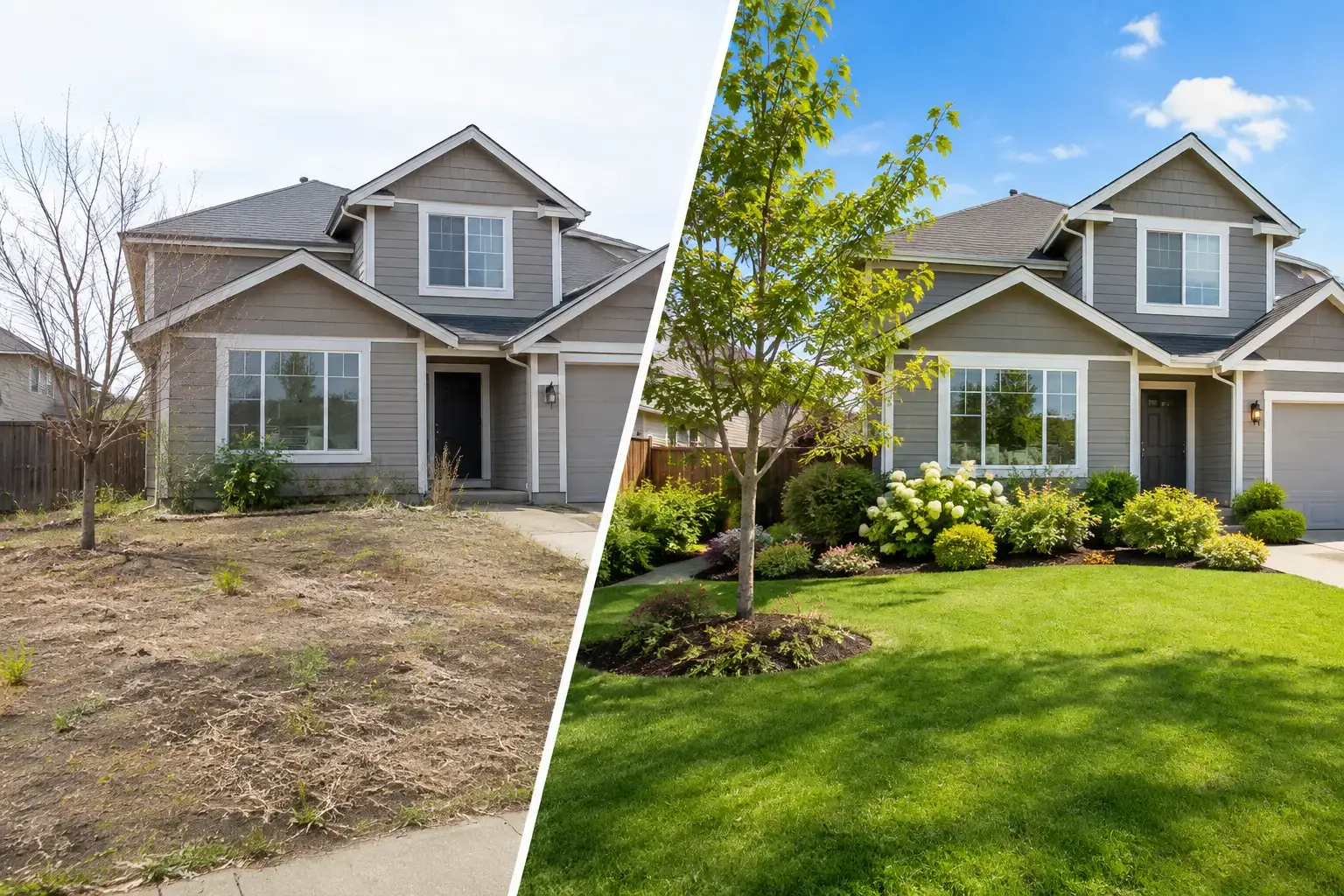
A new landscape can look impressive on installation day and still become a costly frustration six months later. That is why hire a landscape designer is the right question before selecting plants, ordering pavers, or scheduling a crew. For a visible South Tampa or Davis Islands property, the landscape is not a collection of separate upgrades. It is a working outdoor environment that must handle heat, rain, drainage, use, maintenance, and the standards you expect from your home.
A qualified designer brings order to decisions that are easy to underestimate. The result is not simply a prettier yard. It is a property that feels intentional, performs reliably, and holds its appearance over time.
Why Hire a Landscape Designer Before You Build?
The most expensive landscape mistakes usually begin with a decision made too early: choosing a plant palette before understanding sun exposure, installing a patio without accounting for drainage, or adding lighting and irrigation after hardscape is complete. Each piece may look reasonable on its own. Together, they can create conflicts, rework, and a result that never feels fully resolved.
Landscape design establishes the larger plan first. It considers how you enter the property, where you entertain, what you see from key windows, how water moves during a heavy storm, and which areas require privacy or shade. It also accounts for the mature size of plants, access for maintenance, irrigation coverage, and the relationship between materials, architecture, and existing features.
That discipline matters on premium properties because the margin for “good enough” is small. A poorly proportioned planting bed, an awkward walkway, or a crowded front entry can diminish an otherwise exceptional home. Strong design creates visual calm because every element has a purpose.
A Designer Solves Problems Before They Become Change Orders
A designer is not there to make a plan look complicated. The value is in identifying constraints early, when they are far less expensive to address.
In Tampa, water management deserves serious attention. Seasonal downpours can expose grading issues quickly, particularly where patios, turf, planting beds, downspouts, and neighboring properties meet. A thoughtful landscape plan considers drainage pathways, finished elevations, material transitions, and planting choices instead of treating water as an afterthought.
Site conditions matter just as much. One side of a property may experience intense afternoon sun while another is shaded by mature trees. A coastal or exposed site may contend with wind, salt, and high heat. Soil conditions, utility locations, existing root zones, and local requirements can also shape what is practical. A designer works from those realities rather than applying a generic formula.
This is where a lower initial price can become misleading. Installing the wrong plants, undersizing drainage solutions, or placing hardscape without a complete plan may cost less on day one. Correcting it later almost never does.
Your Budget Gets a Clearer Job
Hiring a designer does not mean every project must be large. It means the budget is assigned with intention.
Without a plan, homeowners often spend in fragments: a new front bed this season, lighting next year, a patio after that, then irrigation changes to support it all. The individual upgrades can be attractive, but they may not connect visually or technically. Worse, an earlier investment may need to be removed to make room for the next phase.
A design helps prioritize the work. It distinguishes foundational improvements from optional enhancements and can establish a phased path when completing the entire project at once is not the right move. Drainage, grading, irrigation, circulation, and hardscape infrastructure generally need to be addressed before decorative layers. From there, planting, lighting, outdoor audio, furnishings, and finishing details can be added in a sequence that protects the overall vision.
The goal is not to spend more for its own sake. It is to avoid spending twice and to make sure the finished property reflects the level of investment.
Better Planting Is About Performance, Not Just Color
Plant selection is one of the most visible signs of professional planning. It is also one of the easiest places to make a poor decision based on a nursery display or a quick online search.
A landscape designer evaluates scale, texture, bloom cycles, growth habits, water needs, sun tolerance, and maintenance requirements. They consider what a plant will look like at maturity, not just when it is placed in the ground. That prevents common issues such as hedges that overwhelm windows, palms placed too close to structures, turf that struggles in deep shade, or ornamental material that demands more attention than the homeowner wants to provide.
For refined properties, restraint is often more effective than variety for variety’s sake. A limited, well-composed palette can feel modern and elevated while remaining easier to maintain consistently. The best landscapes have rhythm. They frame architecture, create depth, and look composed even between maintenance visits.
Design Protects the Installation Standard
There is a meaningful difference between having a concept and having a plan that can be executed. Quality installation depends on details such as bed lines, grades, material quantities, irrigation zones, plant spacing, edging, lighting placement, and transitions between surfaces.
A clear design gives the installation team a shared point of reference. It reduces interpretation in the field and helps ensure the work delivered matches the work envisioned. It also allows the homeowner to make important selections before crews arrive, rather than making rushed decisions while a project is already underway.
That does not eliminate every adjustment. Existing conditions can always reveal something unexpected once work begins. But a disciplined plan makes those decisions more informed and keeps the project moving toward the intended result rather than away from it.
Maintenance Should Influence the Design
A landscape should look good after installation, but it should also be designed to look good after repeated mowing, pruning, seasonal cleanups, and Florida weather. This is where design and long-term property care need to work together.
For example, clean bed definitions make a property look sharper and simplify ongoing care. Properly spaced material gives plants room to develop without constant corrective pruning. Irrigation designed around actual plant needs supports healthier growth while reducing waste. Thoughtful access keeps crews from damaging planting areas or struggling around poorly placed features.
Homeowners who value consistency should be cautious of designs that require heroic maintenance to remain presentable. Some high-detail landscapes are worth the commitment. Others are better simplified so their quality is sustainable. A good designer will be candid about that trade-off.
When You May Not Need a Full Design
Not every outdoor improvement requires a comprehensive landscape plan. Replacing a small number of failed plants, refreshing mulch, repairing irrigation, or addressing routine lawn care can often be handled without one.
A design becomes more valuable when several decisions overlap: hardscape, significant planting, drainage, irrigation changes, lighting, privacy screening, outdoor living areas, or a front-yard refresh that must improve curb appeal without feeling overdone. It is especially worthwhile when the property has site challenges, when the home is highly visible, or when you want the work completed in phases without losing cohesion.
There is also a distinction between a landscape designer and a licensed landscape architect. Projects involving complex structural conditions, major grading, permitting, or specialized technical requirements may call for additional professional expertise. The right provider should explain what level of planning the project needs instead of selling a one-size-fits-all service.
The Result Is Confidence, Not Just a Drawing
The strongest reason to hire a landscape designer is confidence. You gain a clear direction before materials are ordered, a better understanding of where the budget belongs, and a finished environment that supports the way you live at home.
For homeowners who expect exceptional work, the landscape should not feel assembled over time by unrelated decisions. It should feel considered from the gate to the backyard, with every line, plant, surface, and functional detail contributing to the same standard. Start with the plan that gives your property the opportunity to look finished for years, not just finished for a weekend.


Comments